
Apr . 01, 2024 17:55 Back to list
china one wire braided hydraulic hose suppliers Performance Analysis
Introduction
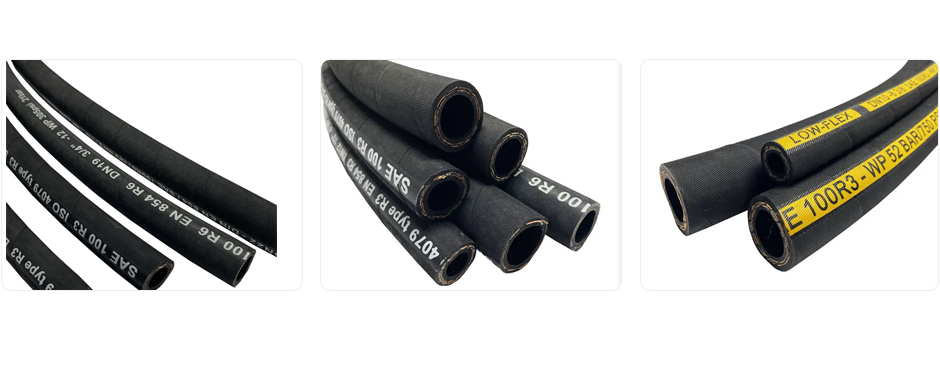
One wire braided hydraulic hose represents a critical component in fluid power systems across diverse industries, including construction, agriculture, manufacturing, and automotive. China has emerged as a dominant supplier of these hoses, offering competitive pricing and increasingly sophisticated manufacturing capabilities. This technical guide provides an in-depth analysis of these hoses, focusing on material science, manufacturing processes, performance characteristics, failure modes, and relevant industry standards. A key pain point for procurement managers is ensuring consistent quality and adherence to international specifications from diverse Chinese manufacturers. This document addresses these concerns, outlining the critical parameters to evaluate when sourcing one wire braided hydraulic hose from China. The performance of these hoses is primarily dictated by their ability to withstand internal pressure, external damage, and exposure to various fluids and environmental conditions. Proper selection and maintenance are vital to ensuring operational safety and system reliability.
Material Science & Manufacturing
The construction of a one wire braided hydraulic hose fundamentally relies on the synergistic properties of its constituent materials. The inner tube is typically composed of oil-resistant synthetic rubber, most commonly nitrile butadiene rubber (NBR), known for its excellent resistance to petroleum-based fluids, abrasion, and temperature fluctuations (-40°C to +120°C). Alternatives like chlorinated polyethylene (CM) offer enhanced ozone and weathering resistance, suitable for outdoor applications. The reinforcement layer, the defining characteristic of this hose type, consists of a single helical winding of high-tensile steel wire. The wire gauge and material properties (tensile strength, yield strength, elongation) directly influence the hose’s burst pressure and fatigue life. The outer cover is generally made of a synthetic rubber blend, such as styrene-butadiene rubber (SBR), providing protection against abrasion, ozone, weathering, and oil. Manufacturing involves a multi-stage process: inner tube extrusion, wire braiding (typically using a high-speed braiding machine), hose assembly, curing (vulcanization) to achieve optimal rubber properties, and final inspection. Critical process parameters include extrusion temperature and pressure, braiding tension, curing time and temperature, and dimensional accuracy. Variations in these parameters can lead to defects like porosity in the inner tube, insufficient wire coverage, and inconsistent outer diameter. Material compatibility between the rubber compounds and the hydraulic fluid is paramount to prevent swelling, degradation, or cracking. China’s suppliers often utilize automated braiding machinery and sophisticated quality control systems, yet variations in raw material sourcing and process control remain a key concern for international buyers.

Performance & Engineering
The performance of one wire braided hydraulic hose is governed by a complex interplay of mechanical stresses and environmental factors. Burst pressure, the maximum pressure the hose can withstand before rupture, is a critical performance parameter directly related to the wire reinforcement's tensile strength and the rubber compounds' adhesive properties. Fatigue life, the number of pressure cycles the hose can endure before failure, is heavily influenced by the hose’s flexibility and resistance to stress concentration. Tensile strength, measured in MPa or PSI, indicates the hose’s resistance to axial loads. External impact resistance is crucial in applications where the hose is exposed to potential damage from falling objects or accidental contact. The hose's bend radius, the minimum radius to which the hose can be bent without kinking or compromising its structural integrity, is also a vital consideration. Finite element analysis (FEA) is often employed to model the stress distribution within the hose under various loading conditions. Industry standards, such as SAE J517 and EN 853, define performance requirements and testing procedures. Compliance with these standards ensures consistent quality and interchangeability. A common failure mode resulting from insufficient engineering is hose kinking, especially under high bend angles. This restricts flow and can lead to localized stress build-up and eventual failure. Chinese manufacturers are increasingly focusing on optimizing hose geometry and reinforcement patterns to enhance performance and meet stringent international standards. Understanding the fluid being conveyed is crucial, as different fluids have varying compatibility levels with the inner tube material.
Technical Specifications
| Parameter | Unit | Typical Value (China Supplier Range) | SAE J517 Specification |
|---|---|---|---|
| Working Pressure | MPa | 10 - 35 | Up to 34.5 MPa (5000 PSI) |
| Burst Pressure | MPa | 30 - 105 | 3 x Working Pressure (Minimum) |
| Inner Tube Material | - | NBR, CM | NBR, CPE, EPDM |
| Reinforcement | - | Single Wire Braid (Steel) | Single or Multiple Wire Braid (Steel) |
| Outer Cover Material | - | SBR, CR | SBR, CR |
| Temperature Range | °C | -40 to +100 | -40 to +121 |
Failure Mode & Maintenance
One wire braided hydraulic hose is susceptible to several failure modes, significantly impacting system performance and safety. Fatigue cracking, caused by repeated pressure cycling, is a common failure mechanism, often initiating at stress concentration points near the fittings. Wire breakage, due to corrosion or excessive bending, reduces the hose's burst pressure and can lead to catastrophic failure. Abrasion of the outer cover, caused by rubbing against other components, exposes the reinforcement layer to corrosion. Kinking, resulting from excessive bending, restricts fluid flow and can cause localized stress build-up. Chemical degradation of the inner tube, caused by incompatible hydraulic fluids, leads to swelling, cracking, and leakage. Oxidation of the steel wire, especially in humid environments, reduces its tensile strength. Regular inspection is crucial for early detection of these failure modes. Visual inspection should focus on cracks, abrasions, kinks, and leaks. Pressure testing can verify the hose’s integrity. Proper maintenance practices include minimizing bending radius, avoiding exposure to incompatible fluids, and protecting the hose from external damage. When replacing a hose, ensure the new hose has the same or higher pressure rating and is compatible with the hydraulic fluid. The fittings must be correctly installed and tightened to the specified torque. A key issue with Chinese suppliers is ensuring consistent material traceability to identify the root cause of failures. Implementing a robust quality control program and requiring detailed material certificates are vital mitigation strategies.
Industry FAQ
Q: What is the typical lead time for a large order (e.g., 10,000 hoses) from a Chinese manufacturer?
A: Lead times can vary significantly depending on the manufacturer's capacity and the complexity of the order. Typically, expect a lead time of 30-60 days for a large order, assuming standard materials and specifications. Custom specifications or high-demand periods can extend this timeframe considerably. Clear communication regarding delivery schedules and potential delays is critical.
Q: How do Chinese manufacturers ensure compliance with SAE J517 standards?
A: Reputable Chinese manufacturers will typically possess ISO 9001 certification and conduct testing in accredited laboratories to demonstrate compliance with SAE J517. However, it's essential to request test reports and verify the accreditation of the testing facility. Third-party inspection services are also recommended to independently verify quality and compliance.
Q: What are the common quality control issues encountered when sourcing from China?
A: Common issues include inconsistent material quality, dimensional inaccuracies, insufficient wire coverage, and inadequate testing. Variations in rubber compound formulation and wire gauge can significantly impact performance. Implementing a rigorous quality control program, including incoming material inspection, in-process monitoring, and final product testing, is essential.
Q: What is the typical warranty period offered by Chinese hydraulic hose suppliers?
A: Warranty periods typically range from 6 months to 1 year, covering defects in materials and workmanship. However, the warranty terms often exclude damage caused by improper installation, misuse, or exposure to incompatible fluids. Carefully review the warranty terms and conditions before placing an order.
Q: What is the best approach to mitigate the risk of receiving substandard products from a new Chinese supplier?
A: Start with a small trial order to assess the supplier’s quality control capabilities. Conduct thorough factory audits and request detailed material certifications. Utilize a third-party inspection service to independently verify quality. Establish clear quality standards and communicate them effectively to the supplier. Build a strong relationship based on trust and open communication.
Conclusion
One wire braided hydraulic hose from China represents a viable and cost-effective solution for numerous fluid power applications. However, realizing the benefits requires a thorough understanding of the material science, manufacturing processes, performance characteristics, and potential failure modes associated with these hoses. Procurement professionals must prioritize quality control, adherence to international standards (SAE J517, EN 853), and robust supplier qualification procedures to mitigate the risks associated with sourcing from diverse Chinese manufacturers.
Ultimately, successful sourcing hinges on establishing transparent communication, implementing rigorous inspection protocols, and fostering a collaborative partnership with a reputable supplier committed to delivering high-quality, reliable products. Continuous monitoring of performance data and proactive maintenance programs are also vital to maximizing the service life and ensuring the safe operation of hydraulic systems utilizing these hoses.