
Apr . 01, 2024 17:55 Back to list
china one wire braided hydraulic hose manufacturer Performance Analysis
Introduction
One wire braided hydraulic hoses represent a critical component in fluid power systems across diverse industries, including construction, agriculture, manufacturing, and oil & gas. These hoses are engineered to transmit hydraulic fluid under high pressure, enabling the operation of machinery and equipment. China’s manufacturers have become significant players in the global hydraulic hose market, offering a range of quality and price points. This technical guide will comprehensively detail the material science, manufacturing processes, performance characteristics, failure modes, and relevant industry standards associated with one wire braided hydraulic hoses produced by china one wire braided hydraulic hose manufacturer. Core performance aspects revolve around pressure capacity, flexibility, and resistance to chemical attack and abrasion, all of which are crucial for reliable operation and extended service life. A key industry pain point is ensuring consistent quality and adherence to international standards, particularly regarding burst pressure and fatigue resistance, given the potential for catastrophic failure and safety risks.
Material Science & Manufacturing
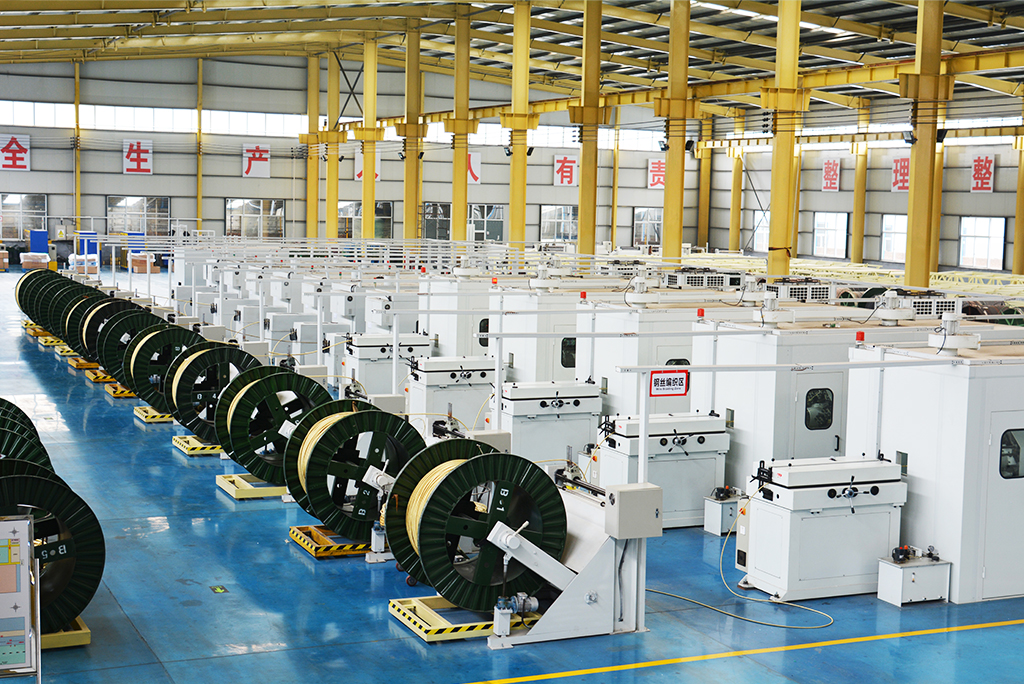
The construction of a one wire braided hydraulic hose typically involves four key layers: the inner tube, the reinforcement layer, the cover, and the fitting. The inner tube, responsible for containing the hydraulic fluid, is commonly composed of synthetic rubbers such as Nitrile (NBR), also known as Buna-N, due to its excellent resistance to petroleum-based oils. Other options include Chloroprene (CR) for improved heat and ozone resistance, and Ethylene Propylene Diene Monomer (EPDM) for phosphate ester fluids. The reinforcement layer, defining the hose’s pressure capacity, consists of a single braid of high-strength steel wire. The steel wire's tensile strength and ductility are critical parameters, with typical values exceeding 2000 MPa. Manufacturing this braid requires precise winding tension and pitch control to ensure uniform stress distribution. The hose cover, providing external protection against abrasion, weathering, and chemical exposure, is generally made from Chlorinated Polyethylene (CPE) or Polyurethane (PU). CPE offers good all-around protection, while PU provides superior abrasion resistance. Finally, fittings are typically steel, carbon steel or stainless steel, and are bonded to the hose using a combination of crimping and adhesion techniques. Manufacturing processes include extrusion of the inner tube and cover, winding of the steel wire braid using automated machinery, and vulcanization (curing) to cross-link the rubber compounds and bond the layers together. Parameter control during vulcanization – temperature, pressure, and time – is paramount to achieving optimal physical properties and hose performance. Chemical compatibility between the inner tube material and the hydraulic fluid is crucial to prevent swelling, degradation, and leakage.
Performance & Engineering
The performance of a one wire braided hydraulic hose is dictated by several key engineering principles. Burst pressure, the maximum pressure the hose can withstand before failure, is determined by the steel wire braid’s strength and the hose’s dimensional integrity. This is typically tested according to SAE J517 standards. Fatigue resistance, the ability to withstand repeated pressure cycles, is a critical factor in applications with pulsating flow. Finite element analysis (FEA) is employed to model stress distribution within the hose under cyclic loading, optimizing braid geometry and rubber compound selection. Flexibility is another key performance characteristic, influencing the hose’s ability to route around obstacles. This is governed by the hose’s bend radius and the material properties of the inner tube and cover. Environmental resistance is paramount, particularly in harsh operating conditions. Hose materials must resist degradation from ozone, UV radiation, extreme temperatures, and exposure to various chemicals. Compliance requirements vary by region and application. For example, hoses used in the automotive industry must meet FMVSS 571 standards, while hoses used in the oil & gas industry must comply with API Q1 standards. Force analysis during hose assembly and operation is vital; improper crimping of fittings can lead to premature failure. The hose’s elongation and contraction under pressure must also be considered in system design.
Technical Specifications
| Parameter | Unit | Typical Value (China Manufacturer) | Test Standard |
|---|---|---|---|
| Working Pressure | MPa | 20-35 | SAE J517 |
| Burst Pressure | MPa | 60-105 | SAE J517 |
| Temperature Range | °C | -40 to +100 | SAE J517 |
| Inner Tube Material | - | NBR (Buna-N) | ASTM D2000 |
| Reinforcement | - | Single Steel Wire Braid | SAE J517 |
| Cover Material | - | CPE | ASTM D2000 |
Failure Mode & Maintenance
One wire braided hydraulic hoses are susceptible to several failure modes. Fatigue cracking, arising from repeated pressure cycles, is a common cause of failure, particularly in applications with high-frequency pulsations. This typically initiates at the braid-to-fitting interface. Abrasion damage, resulting from contact with abrasive surfaces, can wear through the cover and expose the reinforcement layer, leading to corrosion and eventual failure. Oil degradation and incompatibility can cause the inner tube to swell, crack, or become brittle, compromising its integrity. Improper installation, such as over-bending or incorrect fitting crimping, can induce stress concentrations and accelerate failure. Corrosion of the steel wire braid, especially in humid or corrosive environments, reduces its strength and contributes to fatigue failure. Maintenance practices are crucial for extending hose life. Regular visual inspections should be conducted to identify signs of abrasion, cracking, or leakage. Hose assemblies should be replaced if any damage is detected. Hydraulic fluid should be regularly analyzed to ensure it remains clean and compatible with the hose materials. Proper routing and support of hoses are essential to prevent excessive bending and abrasion. Fitting torque should be checked periodically to ensure proper sealing. Flushing the system to remove contaminants is also a recommended practice.
Industry FAQ
Q: What is the primary difference between one wire braided and two wire braided hydraulic hoses, and when would I choose one over the other?
A: The primary difference lies in pressure capacity. Two wire braided hoses offer significantly higher burst pressures and fatigue resistance compared to one wire braided hoses. Choose one wire braided hoses for lower pressure applications (up to 35 MPa) where flexibility is paramount. Opt for two wire braided hoses for high-pressure applications (above 35 MPa) and environments requiring enhanced durability and safety. The cost is also a factor, with two-wire braid hoses being more expensive.
Q: How does the choice of inner tube material (NBR, CR, EPDM) impact the hose’s performance with different hydraulic fluids?
A: NBR is best suited for petroleum-based hydraulic oils. CR provides superior resistance to heat, ozone, and weathering, making it ideal for applications exposed to these elements. EPDM is specifically designed for phosphate ester fluids and offers excellent resistance to water and steam. Using an incompatible inner tube material can lead to swelling, softening, cracking, and ultimately, hose failure.
Q: What are the critical considerations when selecting fittings for a one wire braided hydraulic hose?
A: Fittings must be properly sized and rated for the hose’s working pressure and the hydraulic fluid being used. The fitting material (steel, carbon steel, stainless steel) should be compatible with both the hose and the fluid. Proper crimping is essential to ensure a leak-free and secure connection. Using incorrect fittings or improper crimping techniques can lead to premature failure.
Q: How can I determine the appropriate bend radius for a one wire braided hydraulic hose to prevent kinking or damage?
A: The minimum bend radius is typically specified by the hose manufacturer and is dependent on the hose diameter and construction. Generally, a larger hose diameter requires a larger bend radius. Exceeding the recommended bend radius can induce stress concentrations and lead to kinking, cracking, or reduced flow.
Q: What are the key factors to consider when assessing the quality of a hydraulic hose from a china one wire braided hydraulic hose manufacturer?
A: Focus on verifying compliance with international standards (SAE, EN, DIN). Request material certifications and test reports (burst pressure, fatigue testing). Inspect the hose for consistent dimensions, smooth surfaces, and proper braid coverage. Ensure the fittings are securely crimped and free of defects. A reputable manufacturer will provide detailed technical specifications and support.
Conclusion
One wire braided hydraulic hoses remain a cornerstone of hydraulic power transmission, offering a balance of performance, flexibility, and cost-effectiveness. Understanding the intricacies of material science, manufacturing processes, and potential failure modes is crucial for ensuring safe and reliable operation. China’s manufacturers have emerged as key suppliers in this market, offering a wide range of options, however, diligent quality control and adherence to established industry standards are paramount.
Proper selection, installation, and maintenance are essential for maximizing hose lifespan and minimizing downtime. By considering the specific application requirements and adhering to best practices, end-users can optimize the performance and reliability of their hydraulic systems. Future trends include the development of more durable materials, advanced manufacturing techniques, and integrated monitoring systems to enhance hose performance and predictive maintenance capabilities.