
Apr . 01, 2024 17:55 Back to list
china one wire braided high pressure hydraulic hose suppliers Performance Analysis
Introduction
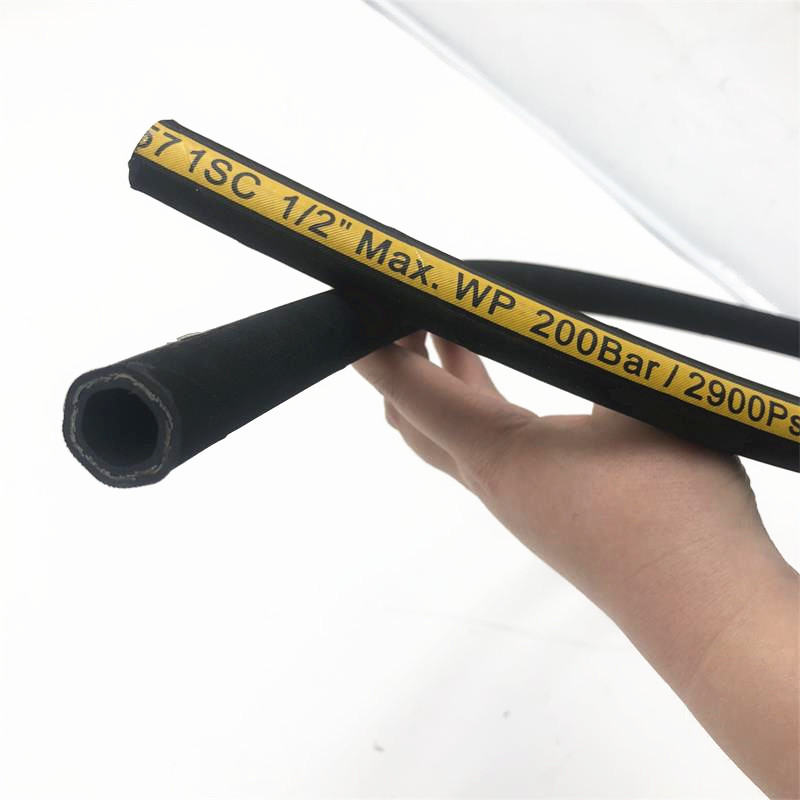
One wire braided high pressure hydraulic hose constitutes a critical component in fluid power systems, facilitating the transmission of hydraulic fluid to actuators and other components. Manufactured extensively by suppliers in China, these hoses are utilized across a broad spectrum of industries including construction, agriculture, manufacturing, and mining. The core performance characteristics—pressure rating, flexibility, and resistance to fluid degradation—dictate system reliability and operational safety. These hoses differ from two-wire or four-wire braided varieties in their pressure capacity and flexibility profiles, offering a balance suited for medium-to-high pressure applications. The Chinese manufacturing base provides cost-effective solutions, yet maintaining quality control and adherence to international standards is paramount. This guide provides a comprehensive technical overview, encompassing material science, manufacturing processes, performance parameters, failure modes, and applicable industry standards.
Material Science & Manufacturing
The construction of a one-wire braided high pressure hydraulic hose relies on a multi-layered architecture. The innermost layer, or tube, is typically composed of synthetic rubbers such as nitrile rubber (NBR), chloroprene rubber (CR), or ethylene propylene diene monomer (EPDM) rubber, selected based on the compatibility with the hydraulic fluid being conveyed. NBR offers excellent resistance to petroleum-based fluids, while CR provides superior weather and ozone resistance. EPDM is commonly used for phosphate ester fluids. The reinforcement layer consists of a single braid of high-strength steel wire, typically carbon steel, providing the hose’s pressure resistance. The wire is heat-treated to enhance its tensile strength and fatigue resistance. An outer cover, often composed of CR or a similar synthetic rubber, provides protection against abrasion, weathering, and chemical attack. Manufacturing begins with extrusion of the inner tube, followed by application of the wire braid using a helical winding process. Precise tension control during braiding is crucial for consistent pressure performance. Subsequently, the outer cover is extruded, and the hose undergoes curing – a vulcanization process utilizing heat and pressure to crosslink the rubber polymers, imparting elasticity and durability. Critical process parameters include extrusion temperature, braiding angle, curing time, and temperature. Variations in these parameters can lead to defects like porosity, incomplete vulcanization, or braid distortion.
Performance & Engineering
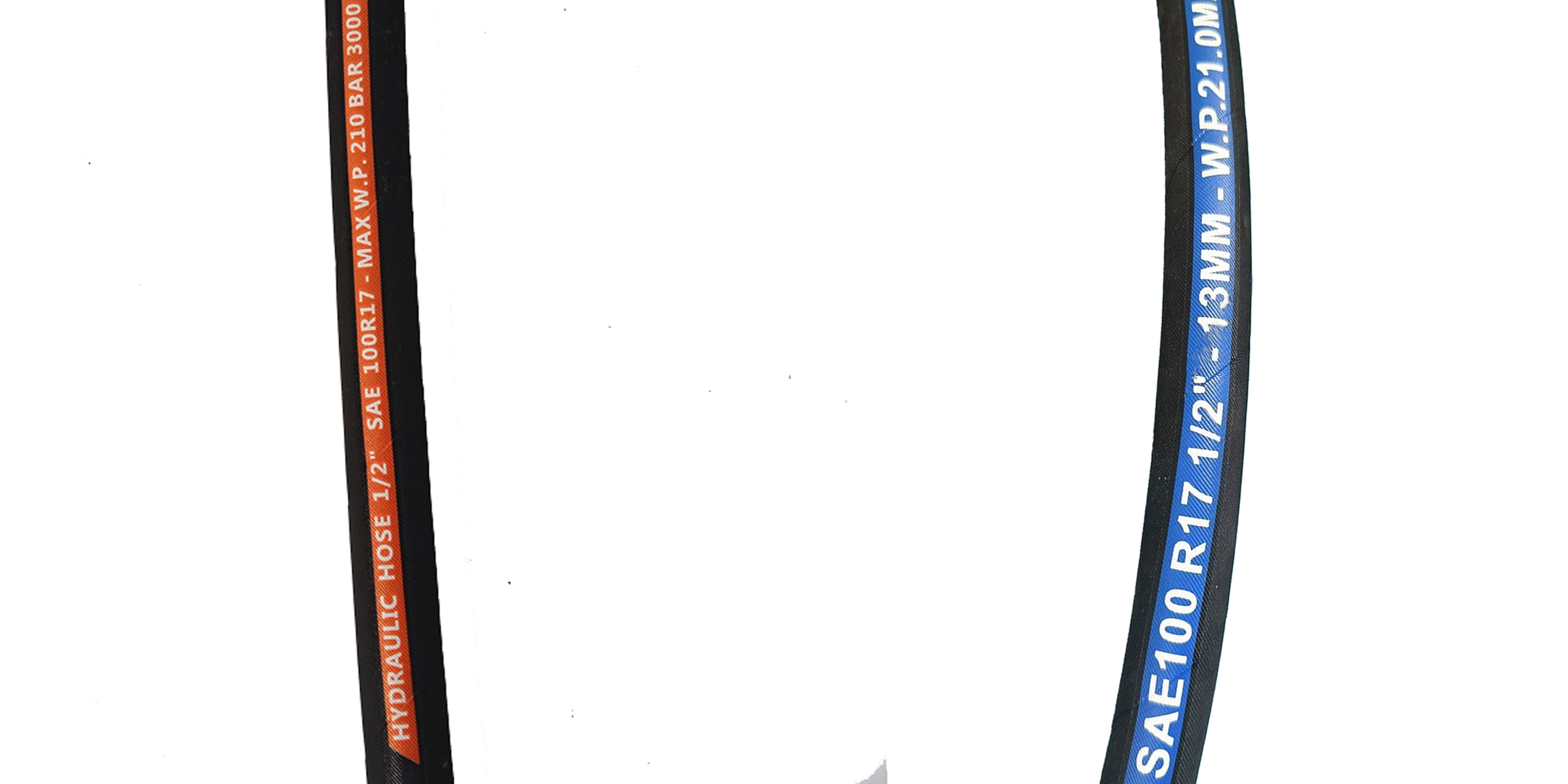
The performance of a one-wire braided hydraulic hose is governed by several key engineering principles. Burst pressure, working pressure, and fatigue life are the primary design considerations. Burst pressure is the pressure at which the hose fails catastrophically, typically four times the working pressure. Working pressure is the maximum continuous operating pressure specified by the manufacturer. Fatigue life refers to the number of pressure cycles the hose can withstand before failure. Force analysis focuses on hoop stress within the hose wall, directly proportional to the internal pressure and hose diameter, and inversely proportional to the wall thickness. The steel wire braid resists this stress, preventing hose expansion and rupture. Environmental resistance is critical; hoses must withstand temperature extremes, exposure to oils, fuels, and corrosive chemicals. Standards like SAE J517 specify fluid compatibility requirements. Furthermore, flexibility is a key parameter, determined by the braid angle and hose diameter. A tighter braid angle increases pressure capacity but reduces flexibility. Hose end termination methods (crimping, swaging, or field attaching) significantly impact performance. Improper crimping can lead to premature failure. Compliance with industry standards (SAE, EN, DIN) is essential for ensuring safety and interchangeability.
Technical Specifications
| Parameter | Unit | Typical Value (China Supplier Range) | Test Standard |
|---|---|---|---|
| Working Pressure | MPa | 16 – 35 | SAE J517 |
| Burst Pressure | MPa | 64 – 140 | SAE J517 |
| Temperature Range | °C | -40 to +100 | SAE J517 |
| Inner Tube Material | - | NBR, CR, EPDM | SAE J517 |
| Reinforcement | - | Single Wire Braid (Steel) | SAE J517 |
| Outer Cover Material | - | CR | SAE J517 |
Failure Mode & Maintenance
One-wire braided hydraulic hoses are susceptible to several failure modes. Fatigue cracking, initiated by repeated pressure cycling, is a common cause of failure, particularly in areas of high stress concentration. Abrasion, caused by external contact with surfaces, can wear through the outer cover, exposing the reinforcement layer to corrosion. Pinholes in the inner tube, resulting from manufacturing defects or fluid incompatibility, lead to leakage. End fitting failure, often due to improper crimping or corrosion, can cause sudden hose rupture. Oxidation of the steel wire braid, induced by exposure to moisture and oxygen, reduces its tensile strength. Hose kinking, resulting from excessive bending, can damage the inner tube and reinforcement. Regular inspection is crucial for preventative maintenance. This includes visual checks for abrasion, cracks, leaks, and damaged end fittings. Hoses should be replaced if any signs of degradation are observed. Avoid sharp bends and excessive twisting. Ensure proper hose routing to minimize contact with abrasive surfaces. Fluid cleanliness is essential; particulate contamination can accelerate wear. Regularly check crimp connections for tightness. Store hoses in a cool, dry place away from direct sunlight and ozone sources.
Industry FAQ
Q: What is the primary difference between a one-wire, two-wire, and four-wire braided hose in terms of application suitability?
A: The primary difference lies in pressure capacity and flexibility. One-wire braid offers moderate pressure resistance and good flexibility, suitable for medium-pressure hydraulic systems. Two-wire braid increases pressure capacity but reduces flexibility. Four-wire braid provides the highest pressure rating with further reduced flexibility, ideal for high-pressure, static applications. The selection depends on the system’s pressure requirements and routing constraints.
Q: How does the type of hydraulic fluid impact the selection of the inner tube material?
A: Hydraulic fluid compatibility is critical. Petroleum-based fluids typically require NBR inner tubes for optimal resistance. Phosphate ester fluids necessitate EPDM. Chloroprene rubber (CR) offers broader compatibility but may not be suitable for all fluid types. Using an incompatible inner tube material will lead to swelling, degradation, and eventual hose failure.
Q: What quality control measures should I look for when sourcing from Chinese suppliers?
A: Prioritize suppliers with ISO 9001 certification. Request material certificates for the rubber compounds and steel wire. Inquire about their burst pressure testing procedures and ask for test reports. Conduct on-site audits to assess their manufacturing processes and quality control systems. Consider third-party inspection services for independent verification.
Q: What are the common causes of hose leakage at the crimped fittings?
A: Common causes include improper crimping during assembly, corrosion of the fitting material, damage to the hose end during installation, and exceeding the hose’s pressure or temperature limits. Ensure the correct crimping die is used for the hose size and fitting type. Regularly inspect fittings for corrosion and tightness.
Q: How important is the ‘lay length’ of the wire braid and what impact does it have?
A: The lay length (distance the wire travels in one complete spiral around the hose) significantly affects flexibility and pressure capacity. A shorter lay length generally increases pressure resistance but reduces flexibility, while a longer lay length provides greater flexibility at the expense of some pressure capacity. It’s a critical design parameter controlled during the braiding process.
Conclusion
One-wire braided high pressure hydraulic hoses remain a workhorse component in fluid power systems, offering a cost-effective solution for medium-to-high pressure applications. Understanding the interplay between material science, manufacturing processes, and performance parameters is essential for ensuring system reliability and safety. Sourcing from China provides competitive pricing, but meticulous quality control and adherence to international standards are paramount.
Continued advancements in rubber compound technology and braiding techniques will likely lead to hoses with improved pressure ratings, fatigue life, and chemical resistance. Proactive maintenance, including regular inspection and timely replacement, remains the most effective strategy for preventing failures and maximizing the service life of these critical components.