
Apr . 01, 2024 17:55 Back to list
china one wire braided high pressure hydraulic hose manufacturer Performance Analysis
Introduction
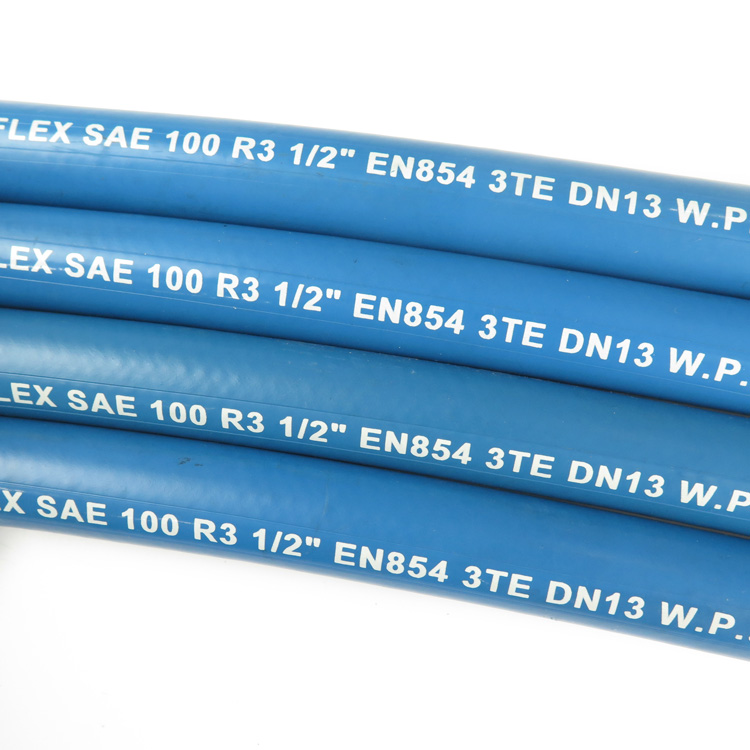
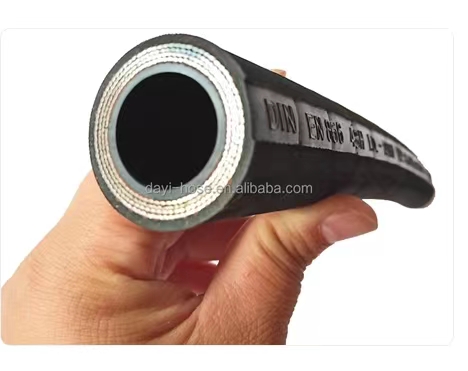
One wire braided high-pressure hydraulic hose represents a critical component in fluid power systems across diverse industrial applications. Manufactured by specialized companies like china one wire braided high pressure hydraulic hose manufacturer, these hoses facilitate the safe and efficient transmission of hydraulic fluid to actuate machinery, providing the necessary force for operations ranging from construction equipment and agricultural machinery to manufacturing processes and aerospace systems. Their construction typically involves an inner tube composed of synthetic rubber, a single layer of high-tensile steel wire braid for reinforcement, and an outer cover providing abrasion and weather resistance. This guide provides an in-depth technical overview of their material science, manufacturing processes, performance characteristics, failure modes, and relevant industry standards, addressing the core concerns of procurement and engineering professionals.
Material Science & Manufacturing
The performance of a one-wire braided hydraulic hose is fundamentally dictated by the properties of its constituent materials. The inner tube is commonly constructed from nitrile rubber (NBR), known for its excellent resistance to petroleum-based hydraulic fluids. Alternatives, such as chlorinated polyether (CPE) and ethylene propylene diene monomer (EPDM) rubber, are employed for specialized applications demanding greater temperature range or compatibility with specific fluids. The steel wire braid, typically high-carbon steel, provides the primary reinforcement against internal pressure. Wire diameter and braid angle are critical parameters influencing burst pressure and flexibility. The outer cover is generally made of synthetic rubber like polyurethane or neoprene, offering protection against abrasion, ozone, UV degradation, and chemical exposure.
Manufacturing begins with the extrusion of the inner tube, carefully controlled to ensure consistent wall thickness and dimensional accuracy. The steel wire braid is then helically wound over the inner tube using a specialized braiding machine. Braid tension and coverage are tightly monitored, as variations directly impact hose strength and flexibility. Following braiding, the assembly undergoes vulcanization – a curing process employing heat and pressure – to chemically bond the rubber components to the steel braid, creating a cohesive and durable structure. Finally, the outer cover is extruded, and the hose is subjected to rigorous quality control inspections, including pressure testing, leak testing, and dimensional verification. Key parameter control includes maintaining precise rubber compound formulations, consistent braid tension, and accurate vulcanization temperatures and durations.
Performance & Engineering
The performance of a one-wire braided hose is assessed based on several critical parameters. Burst pressure, defined as the maximum pressure the hose can withstand before failure, is a primary design consideration. Working pressure, typically specified as a percentage (e.g., 50%) of the burst pressure, represents the safe operating limit. Flexibility, or bend radius, determines the hose’s ability to navigate tight spaces and complex routing. Tensile strength quantifies the hose’s resistance to stretching and tearing. Temperature range dictates the operating limits in both extreme heat and cold. Hydraulic fluid compatibility ensures the hose materials won't degrade or swell when exposed to the specific fluid in use.
Engineering analysis focuses on force analysis under pressure. Hoop stress, the circumferential stress within the hose wall, is directly proportional to pressure and hose diameter. Longitudinal stress, the stress along the hose length, is affected by pressure and the braid angle. Finite element analysis (FEA) is often employed to model stress distribution and optimize hose design. Environmental resistance is crucial; prolonged exposure to UV radiation, ozone, and extreme temperatures can lead to rubber degradation. Compliance requirements vary by region and application; for instance, the automotive industry demands adherence to specific standards related to fluid compatibility and fire resistance. The steel wire braid's contribution to the overall structural integrity is paramount; proper braid construction prevents kinking and maintains pressure containment.
Technical Specifications
| Parameter | Unit | Typical Value (EN 853 1SN) | Typical Value (SAE 100R1AT) |
|---|---|---|---|
| Working Pressure | MPa | 20.5 | 21 |
| Burst Pressure | MPa | 82 | 84 |
| Inner Diameter | mm | 19 | 19 |
| Outer Diameter | mm | 27 | 27 |
| Braid Type | - | Single Wire Braid | Single Wire Braid |
| Temperature Range | °C | -40 to +100 | -40 to +100 |
Failure Mode & Maintenance
Common failure modes for one-wire braided hydraulic hoses include fatigue cracking, particularly at connection points due to cyclic bending and pressure pulsations. Abrasion of the outer cover can expose the steel braid to corrosion, compromising its integrity. Internal degradation of the rubber liner due to fluid incompatibility or thermal aging can lead to leaks and reduced performance. Pinholes can develop in the inner tube due to foreign object damage or chemical attack. Steel wire breakage within the braid, often initiated by corrosion or fatigue, results in a significant reduction in burst pressure. Kinking, caused by excessive bending or improper routing, can damage the inner tube and lead to flow restriction.
Preventive maintenance is critical. Regular visual inspections should focus on identifying abrasions, cracks, bulges, and leaks. Hoses should be routed properly to avoid sharp bends and contact with hot surfaces. Hydraulic fluid should be regularly analyzed for contamination, as particulates can accelerate wear. Connections should be inspected for tightness and corrosion. Hoses should be replaced at recommended intervals, even if no visible damage is present, based on operating conditions and fluid type. If a hose exhibits any signs of damage, it should be immediately removed from service and replaced. Proper storage conditions – cool, dry, and protected from UV light – are essential to prevent premature degradation.
Industry FAQ
Q: What is the significance of the "dash size" designation (e.g., -6, -8, -10) in hydraulic hose specifications?
A: The dash size refers to the inner diameter of the hose in sixteenths of an inch. For example, a -6 hose has a 6/16 inch (or 3/8 inch) inner diameter. It's a standardized nomenclature used for quick identification of hose size in hydraulic systems.
Q: How does the braid angle affect hose performance?
A: A steeper braid angle generally provides higher pressure ratings but reduces flexibility. A shallower braid angle offers greater flexibility but compromises pressure capacity. The optimal braid angle is a trade-off determined by the specific application requirements.
Q: What is the difference between EN 853 and SAE 100R1AT hose standards?
A: Both standards define performance requirements for hydraulic hoses, but they differ in testing procedures and acceptance criteria. EN 853 is a European standard, while SAE 100R1AT is an American standard. SAE 100R1AT generally features tighter dimensional tolerances and more aggressive testing for abrasion resistance.
Q: What are the key considerations when selecting a hose material for compatibility with different hydraulic fluids?
A: Different hydraulic fluids have varying chemical compositions. Nitrile rubber (NBR) is suitable for most petroleum-based fluids, but phosphate ester fluids require specialized materials like fluorocarbon rubber (FKM) or polytetrafluoroethylene (PTFE). Compatibility charts should be consulted to ensure the hose material won’t swell, degrade, or leach contaminants into the fluid.
Q: What is the role of the coupling in the overall hose assembly?
A: The coupling creates the connection between the hose and the hydraulic system. It must be properly crimped onto the hose to ensure a leak-free and structurally sound joint. Coupling material and crimp specifications must be compatible with both the hose and the fluid being conveyed. Improperly crimped couplings are a common source of hose failure.
Conclusion
One-wire braided hydraulic hoses are essential components in a wide spectrum of industrial applications, demanding meticulous attention to material selection, manufacturing precision, and maintenance practices. The interplay between the inner tube’s fluid compatibility, the steel wire braid’s reinforcement capabilities, and the outer cover’s protective qualities dictates the hose’s overall performance and longevity. Understanding the potential failure modes and adhering to relevant industry standards, such as EN 853 and SAE 100R1AT, is paramount for ensuring safe and reliable operation.
Continuous advancements in rubber technology and manufacturing techniques are driving improvements in hose performance, including enhanced pressure ratings, extended service life, and greater resistance to harsh environments. Procurement professionals should prioritize hoses from reputable manufacturers, like china one wire braided high pressure hydraulic hose manufacturer, who demonstrate a commitment to quality control and compliance. Proper implementation of a preventive maintenance program, encompassing regular inspections and timely replacement, is crucial for maximizing the return on investment and minimizing the risk of costly downtime.