
Apr . 01, 2024 17:55 Back to list
china one wire braided high pressure hydraulic hose factory Performance Analysis
Introduction
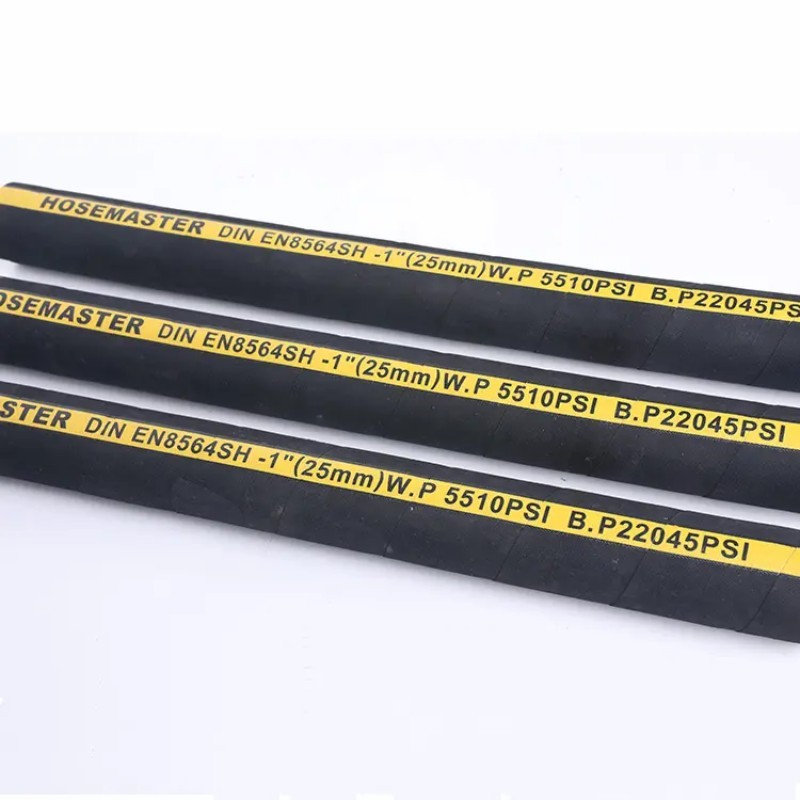
One wire braided high pressure hydraulic hose represents a critical component in fluid power systems, facilitating the reliable transmission of hydraulic fluid to actuators and machinery. Manufactured by facilities such as china one wire braided high pressure hydraulic hose factory, these hoses are integral to a diverse range of industries, including construction, agriculture, mining, and manufacturing. Their primary function is to convey pressurized fluids – typically hydraulic oils – under demanding conditions, demanding robust construction and adherence to stringent performance criteria. This guide provides an in-depth technical overview of these hoses, encompassing material science, manufacturing processes, performance characteristics, failure modes, and relevant industry standards. Core industry pain points addressed include hose burst resistance, maintaining flexibility under extreme temperatures, preventing fluid contamination, and ensuring long-term durability in harsh operational environments. The single wire braid reinforcement provides a balance between pressure capability and flexibility, making it a widely adopted solution for medium to high-pressure applications.
Material Science & Manufacturing
The construction of a one-wire braided hydraulic hose involves several key materials. The inner tube is typically composed of a synthetic rubber compound, often based on nitrile butadiene rubber (NBR) or chloroprene rubber (CR), selected for their resistance to hydraulic fluids, abrasion, and temperature variations. NBR offers excellent oil resistance, while CR provides superior resistance to ozone and weathering. The reinforcement layer consists of a single braid of high-tensile steel wire. The steel wire’s tensile strength and ductility are crucial parameters, impacting the hose’s burst pressure and fatigue life. The outer cover is generally made from a synthetic rubber, such as ethylene propylene diene monomer (EPDM) or polyurethane (PU), providing protection against abrasion, weathering, and chemical exposure. EPDM offers excellent ozone and UV resistance, while PU provides superior abrasion resistance.
The manufacturing process begins with extrusion of the inner tube to the desired dimensions. The steel wire braid is then applied helically around the inner tube. This braiding process requires precise control of wire tension and pitch to ensure uniform reinforcement. After braiding, the outer cover is extruded over the braid, fully encapsulating it. Critical process parameters include temperature control during extrusion to ensure proper material flow and adhesion, curing time and temperature to achieve optimal rubber vulcanization, and quality control checks throughout the process, including dimensional inspection, burst pressure testing, and leak testing. Material compatibility is paramount; improper selection of rubber compounds can lead to swelling, degradation, and ultimately, hose failure. The quality of the steel wire, specifically its surface finish and zinc coating, also significantly impacts corrosion resistance and overall hose lifespan.
Performance & Engineering
The performance of a one-wire braided hydraulic hose is primarily dictated by its burst pressure, working pressure, and flexibility. Burst pressure is the maximum pressure the hose can withstand before catastrophic failure, typically determined through hydrostatic testing. Working pressure is a fraction of the burst pressure, usually specified with a safety factor of 4:1. Flexibility is essential for ease of installation and routing in confined spaces. The single wire braid offers a compromise between pressure capability and flexibility.
Force analysis within the hose involves understanding the hoop stress generated by the internal fluid pressure. This stress is resisted by the tensile strength of the steel wire braid. The hose’s ability to withstand cyclical pressure fluctuations (fatigue resistance) is also critical. Environmental resistance is another key performance parameter. Hoses must withstand exposure to a wide range of temperatures, from sub-zero conditions to elevated temperatures generated by hydraulic systems. Chemical resistance to hydraulic fluids, oils, and other contaminants is also essential. Compliance requirements vary depending on the application and geographic region. Common standards include SAE J517 (US), EN 853 (Europe), and ISO 6897 (International). These standards specify requirements for hose construction, performance testing, and marking. Proper hose routing and support are essential to prevent kinking, abrasion, and excessive bending, all of which can compromise performance and lifespan.
Technical Specifications
| Parameter | Unit | Typical Value (SAE 100R1AT equivalent) | Testing Standard |
|---|---|---|---|
| Working Pressure | MPa | 20.7 | SAE J517 |
| Burst Pressure | MPa | 82.7 | SAE J517 |
| Temperature Range | °C | -40 to +100 | SAE J517 |
| Inner Tube Material | - | NBR | ASTM D2000 |
| Reinforcement | - | Single Wire Braid (Steel) | ASTM A228 |
| Outer Cover Material | - | EPDM | ASTM D1418 |
Failure Mode & Maintenance
One-wire braided hydraulic hoses are susceptible to several failure modes. Fatigue cracking, resulting from repeated pressure cycles, is a common cause of failure, particularly in applications with high-frequency pulsations. The steel wire braid can experience corrosion, especially in environments with moisture and chlorides, leading to reduced tensile strength and eventual failure. Abrasion of the outer cover can expose the braid to corrosion and damage, while ozone cracking can occur in EPDM covers exposed to prolonged UV radiation. Hose kinking, caused by sharp bends or improper routing, can damage the inner tube and restrict fluid flow. Internal degradation of the rubber compounds can occur due to contamination, incompatible fluids, or exceeding temperature limits.
Preventive maintenance is crucial for maximizing hose lifespan. Regular visual inspections should be conducted to identify signs of abrasion, cracking, kinking, or leaks. Hose routing should be carefully planned to avoid sharp bends and contact with abrasive surfaces. Proper hose supports should be used to prevent sagging and stress concentration. Fluid contamination should be minimized through the use of filters and regular fluid changes. Hoses should be replaced at recommended intervals, even if no visible signs of damage are present. When replacing hoses, ensure compatibility with the hydraulic fluid and operating conditions. Correct installation practices, including proper crimping of fittings, are essential to prevent premature failure. For critical applications, consider implementing a hose management program that tracks hose usage, inspections, and replacements.
Industry FAQ
Q: What is the impact of hydraulic fluid type on hose lifespan?
A: The type of hydraulic fluid significantly impacts hose lifespan. Incompatible fluids can cause swelling, degradation, and embrittlement of the rubber compounds, leading to premature failure. It's critical to select a hose with an inner tube material specifically compatible with the intended hydraulic fluid. Regularly analyze the fluid for contamination and ensure proper filtration to extend hose life.
Q: How does temperature affect the performance of a one-wire braided hose?
A: Extreme temperatures – both high and low – can degrade hose performance. High temperatures can cause the rubber compounds to soften and lose their elasticity, reducing burst pressure and increasing susceptibility to leakage. Low temperatures can cause the rubber to become brittle and crack. Select a hose with a temperature range that matches the operating environment.
Q: What are the common causes of hose kinking and how can they be prevented?
A: Hose kinking is typically caused by sharp bends, insufficient support, or improper routing. To prevent kinking, ensure adequate bend radius, use appropriate hose supports, and avoid routing hoses across areas where they might be stepped on or impacted. Properly sized fittings are also crucial to avoid stressing the hose.
Q: What are the key differences between SAE J517 and EN 853 hydraulic hose standards?
A: SAE J517 (US standard) and EN 853 (European standard) define different performance requirements and testing procedures for hydraulic hoses. EN 853 typically has more stringent requirements for impulse testing and dimensional accuracy. Understanding these differences is essential when selecting hoses for international applications.
Q: How do I properly inspect a hydraulic hose for potential failures?
A: A thorough inspection should include a visual check for cracks, abrasions, kinks, bulges, and leaks. Also, check the fittings for corrosion and tightness. Gently flex the hose to identify any areas of stiffness or localized weakness. If any of these signs are present, the hose should be replaced immediately.
Conclusion
One-wire braided high-pressure hydraulic hoses represent a crucial link in any hydraulic system, demanding a thorough understanding of material properties, manufacturing processes, and performance characteristics. Proper selection, installation, and maintenance are paramount to ensuring reliable operation and preventing costly downtime. The longevity and safe operation of these hoses depend on meticulous attention to detail, adherence to industry standards, and a proactive approach to preventative maintenance.
The continual evolution of hydraulic system demands necessitates ongoing advancements in hose technology. Future developments are likely to focus on materials with enhanced temperature resistance, improved chemical compatibility, and increased fatigue life. Implementing robust hose management programs, combined with advanced monitoring techniques, will further optimize performance and minimize the risk of catastrophic failures in demanding industrial applications.