
Apr . 01, 2024 17:55 Back to list
china one fiber braid hydraulic hose manufacturers Performance Analysis
Introduction
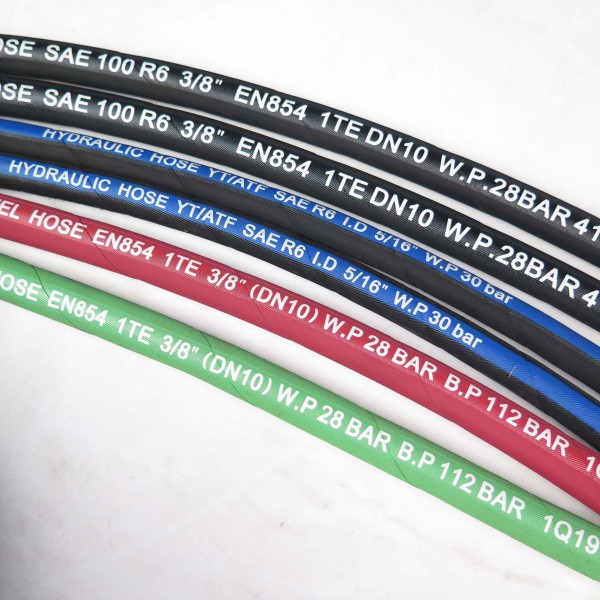
Fiber braid reinforced hydraulic hose constitutes a critical component within fluid power systems across diverse industrial applications. Manufactured extensively by China-based producers, these hoses are integral to the efficient and safe transfer of hydraulic fluid in machinery operating in construction, agriculture, manufacturing, and mining. Their technical position within the industry chain lies between the hydraulic pump/reservoir and the actuating cylinders or motors. Core performance characteristics defining these hoses are working pressure, burst pressure, temperature range, fluid compatibility, and abrasion resistance. The dominant construction involves an inner tube, multiple layers of high-tensile fiber braiding (typically polyester or steel wire), and an outer cover offering environmental protection. The quality and consistency of these components, particularly the braiding and rubber compounds, directly impact the hose's longevity and reliability. A significant industry pain point revolves around inconsistent material quality stemming from varying manufacturer capabilities and cost pressures, leading to premature failure and downtime.
Material Science & Manufacturing
The construction of a fiber braid hydraulic hose relies on a specific interplay of material properties and manufacturing processes. The inner tube is commonly composed of nitrile rubber (NBR) for its excellent oil resistance, although other elastomers like chloroprene rubber (CR) may be used for specific fluid compatibility requirements. NBR's chemical structure (polyacrylonitrile) provides resistance to aliphatic hydrocarbons, but limitations exist with aromatic fluids. The reinforcement braiding is typically polyester fiber, chosen for its high tensile strength, low stretch, and dimensional stability. The fiber’s tensile strength (typically exceeding 1500 MPa) is crucial for withstanding internal pressure. Alternatively, steel wire braiding offers significantly higher pressure capacity but increases hose weight and cost. The outer cover is generally a blend of synthetic rubbers, often incorporating ethylene propylene diene monomer (EPDM) for weather resistance, ozone resistance, and UV protection.
Manufacturing begins with inner tube extrusion, where the rubber compound is forced through a die to create a seamless tube. Braiding is then accomplished via automated braiding machines, meticulously interlacing the fibers around the inner tube at a precise angle (typically 55-75 degrees) to maximize strength and prevent distortion. Parameter control during braiding is paramount: consistent tension and fiber density directly affect the hose’s burst pressure. Following braiding, the outer cover is extruded over the reinforced layer. Vulcanization, or curing, is the final crucial step. This process, involving heat and pressure, cross-links the rubber polymers, imparting elasticity, strength, and resistance to degradation. Critical vulcanization parameters include temperature, time, and pressure, all optimized based on the specific rubber compounds used. Inconsistent vulcanization leads to weakened rubber and reduced performance.
Performance & Engineering
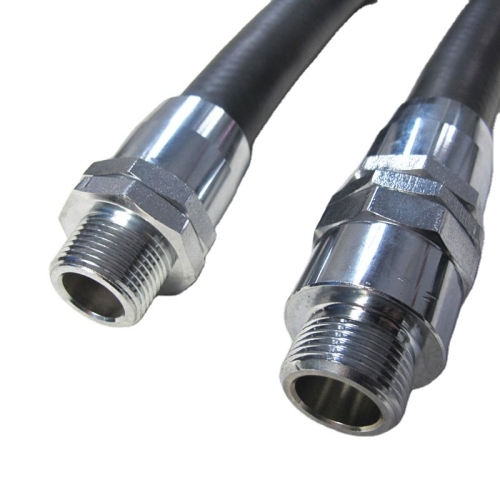
The performance of a fiber braid hydraulic hose is dictated by several engineering principles, primarily focused on withstanding internal pressure and external stresses. Force analysis centers on hoop stress within the inner tube, calculated using the Barlow's formula (σ = PD/2t, where P is pressure, D is diameter, and t is wall thickness). The fiber braid’s purpose is to counteract this hoop stress, preventing tube rupture. The angle of the braid significantly impacts its effectiveness; a steeper angle provides greater axial strength but reduced resistance to bursting. Environmental resistance is crucial, particularly in outdoor applications. Exposure to UV radiation, ozone, and extreme temperatures can degrade the rubber compounds, reducing flexibility and increasing the risk of cracking.
Compliance requirements are substantial. SAE J517, a widely adopted standard, specifies performance characteristics for hydraulic hose, including pressure ratings, temperature ranges, and bend radii. Hose assemblies must undergo burst pressure testing (typically to three times the working pressure) and impulse testing (simulating cyclical pressure fluctuations) to verify conformance. Furthermore, fluid compatibility is a critical engineering consideration. The inner tube material must be chemically compatible with the hydraulic fluid being used to prevent swelling, softening, or degradation. Incorrect fluid selection can lead to catastrophic failure. Flexibility and bend radius also contribute to long-term reliability; exceeding the minimum bend radius induces stress concentrations, accelerating fatigue failure.
Technical Specifications
| Parameter | Unit | Polyester Braid Hose | Steel Wire Braid Hose |
|---|---|---|---|
| Working Pressure | MPa | 10 | 35 |
| Burst Pressure | MPa | 30 | 105 |
| Temperature Range | °C | -40 to +100 | -40 to +120 |
| Inner Tube Material | - | NBR | NBR |
| Outer Cover Material | - | EPDM | EPDM |
| Minimum Bend Radius | mm | 4D (D=Inner Diameter) | 6D (D=Inner Diameter) |
Failure Mode & Maintenance
Fiber braid hydraulic hoses are susceptible to several failure modes. Fatigue cracking, initiated by cyclical pressure fluctuations and mechanical flexing, is a common issue, particularly in applications with frequent movement. This often starts at the braid-to-fitting interface or within the braid itself. Delamination, the separation of layers (inner tube, braid, cover), is another frequent failure, typically caused by improper bonding during manufacturing or degradation of the adhesive. Rubber degradation, due to exposure to ozone, UV radiation, or incompatible fluids, results in hardening, cracking, and loss of flexibility. Oxidation, particularly in high-temperature environments, degrades the rubber compounds, weakening their structural integrity. Fitting corrosion can also lead to hose failure, particularly if dissimilar metals are used in the assembly, causing galvanic corrosion.
Preventative maintenance is crucial. Regular visual inspections should identify cracks, abrasions, or leaks. Hoses should be replaced if any signs of damage are observed. Proper routing and support are vital to prevent kinking and abrasion. Using appropriate fittings and ensuring proper crimping are critical for a secure and reliable connection. Fluid contamination can accelerate degradation; regular fluid analysis and filtration are essential. Storage of hoses should be in a cool, dry, and dark environment, away from direct sunlight and ozone sources. A proactive maintenance schedule, based on operating conditions and hose age, minimizes the risk of unexpected failures and extends hose lifespan.
Industry FAQ
Q: What is the primary difference between polyester and steel wire braided hoses in terms of application suitability?
A: Polyester braid hoses are suitable for lower to medium pressure applications where flexibility and weight are critical. They are cost-effective and commonly used in agricultural and construction equipment. Steel wire braid hoses are designed for high-pressure systems, such as those found in heavy machinery and industrial applications, where robustness and resistance to extreme pressures are paramount. They are heavier and more expensive but offer significantly higher burst pressures.
Q: How does fluid compatibility impact hose selection and lifespan?
A: Incorrect fluid compatibility can lead to rapid hose degradation. For example, using a petroleum-based hydraulic fluid with a hose not rated for it can cause swelling, softening, and ultimately, failure. Always verify the hose's inner tube material is compatible with the hydraulic fluid being used. Refer to compatibility charts provided by hose manufacturers.
Q: What are the key indicators of potential hose failure during a visual inspection?
A: Key indicators include cracks in the cover or at the fittings, abrasions or cuts exposing the reinforcement braid, bulging or blistering of the hose wall, and signs of fluid leakage. Any observed damage warrants immediate replacement of the hose.
Q: What is the importance of proper crimping of hose fittings?
A: Proper crimping creates a secure and leak-proof connection between the hose and the fitting. Insufficient crimping can lead to fitting blow-off under pressure, while excessive crimping can damage the hose reinforcement. Crimping should be performed using calibrated crimping machines and dies specified by the fitting manufacturer.
Q: How does temperature affect hydraulic hose performance and longevity?
A: Extreme temperatures, both high and low, can negatively impact hose performance. High temperatures accelerate rubber degradation, reducing flexibility and increasing the risk of cracking. Low temperatures can cause the rubber to become brittle and more susceptible to damage. Always operate hoses within their specified temperature range and consider using hoses with temperature-resistant compounds for demanding applications.
Conclusion
China-manufactured fiber braid hydraulic hoses represent a vital component in numerous industries. Understanding the interplay of material science, manufacturing processes, and engineering principles is crucial for selecting the appropriate hose for a given application. The key to ensuring long-term reliability lies in choosing hoses with adequate pressure ratings, compatible inner tube materials, and robust reinforcement braiding.
Proactive maintenance, including regular visual inspections and adherence to recommended operating parameters, significantly mitigates the risk of premature failure. As technology evolves, advancements in rubber compounds and braiding techniques will continue to enhance the performance and durability of these critical fluid power components. Selecting a reputable manufacturer committed to quality control and adherence to international standards is paramount to achieving optimal performance and minimizing downtime.