
Apr . 01, 2024 17:55 Back to list
china one fiber braid hydraulic hose manufacturer Performance Analysis
Introduction
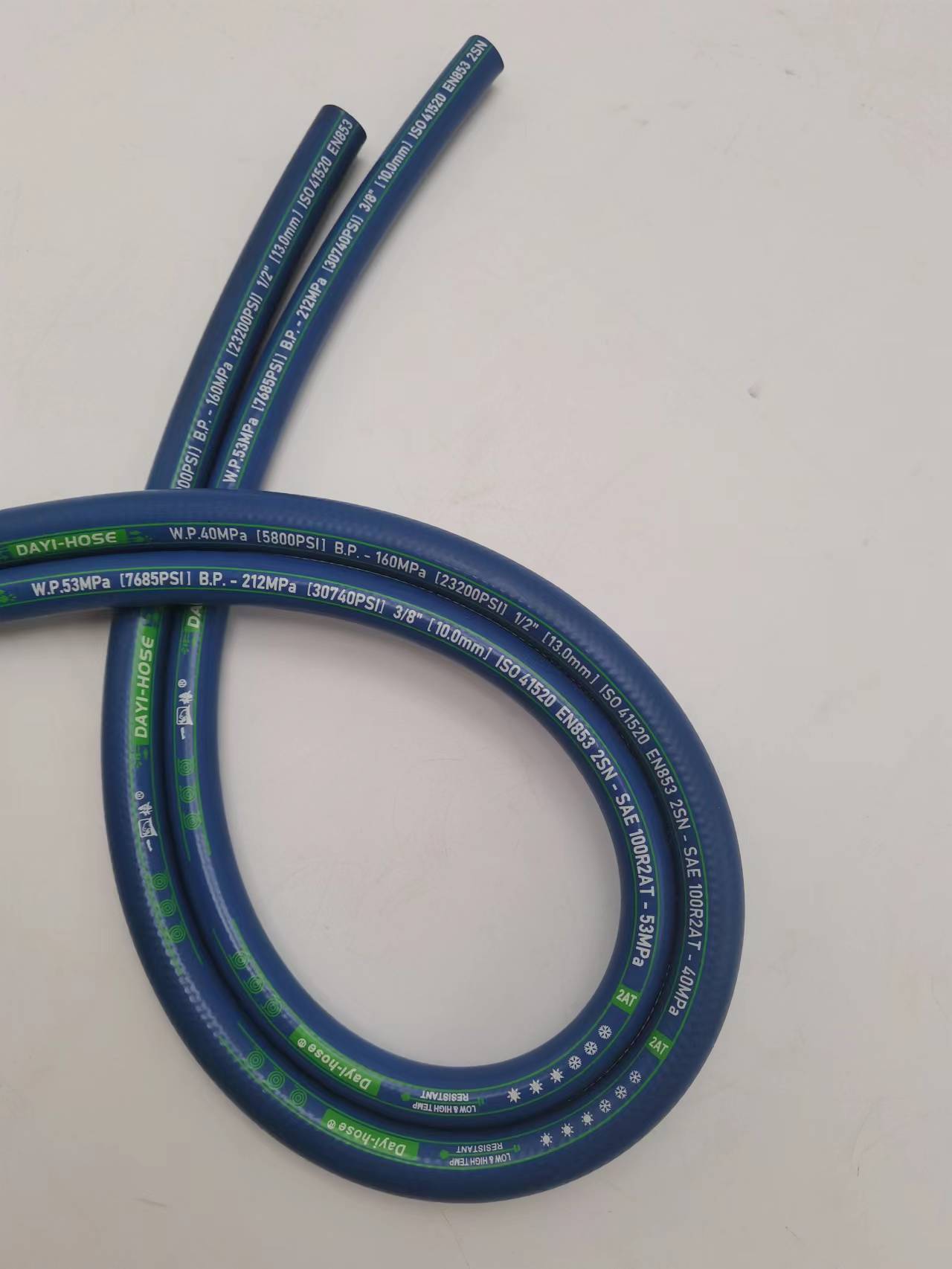
Fiber braid reinforced hydraulic hoses represent a critical component in fluid power systems across diverse industries including construction, agriculture, manufacturing, and oil & gas. These hoses are engineered to transmit hydraulic fluid under high pressure, providing the power necessary for operating heavy machinery and industrial equipment. china one fiber braid hydraulic hose manufacturer specializes in the production of these hoses, focusing on durability, reliability, and adherence to stringent international safety standards. The core performance characteristics – pressure rating, burst pressure, and operating temperature range – are directly linked to the materials utilized in construction and the precision of the manufacturing process. The industry faces ongoing challenges regarding hose longevity in harsh environments, resistance to fluid contamination, and the need for consistently high performance under dynamic loading conditions. This guide provides a detailed examination of fiber braid hydraulic hose technology, covering material science, manufacturing processes, performance parameters, failure modes, and relevant industry standards.
Material Science & Manufacturing
The construction of a fiber braid hydraulic hose involves several key material components: the inner tube, reinforcement layers, and the outer cover. The inner tube is typically composed of synthetic rubbers such as nitrile (NBR), chloroprene (CR), or ethylene propylene diene monomer (EPDM) selected based on fluid compatibility. NBR offers excellent resistance to petroleum-based fluids, CR provides good ozone and weathering resistance, and EPDM excels in high-temperature applications and compatibility with phosphate ester fluids. The reinforcement layer is crucial for withstanding internal pressure and preventing hose rupture. This layer consists of one or more braids of high-tensile steel wire. The wire’s material composition (carbon steel, stainless steel) and braiding angle significantly impact the hose's pressure capacity and flexibility. The outer cover, commonly made of CR or polyurethane, provides protection against abrasion, weathering, and chemical exposure. Manufacturing begins with extrusion of the inner tube, followed by the application of reinforcement braids through a winding process. Precise tension control during braiding is vital to ensure uniform pressure resistance. Finally, the outer cover is extruded and vulcanized to bond all layers together. Key parameters controlled during manufacturing include rubber compound mixing ratios, extrusion temperatures, braiding tension, and vulcanization time and temperature. Post-production testing, including hydrostatic pressure testing and impulse testing, validates hose performance and identifies potential defects. The quality of the steel wire, particularly its tensile strength and surface finish, critically affects the final product's burst pressure and fatigue life.
Performance & Engineering
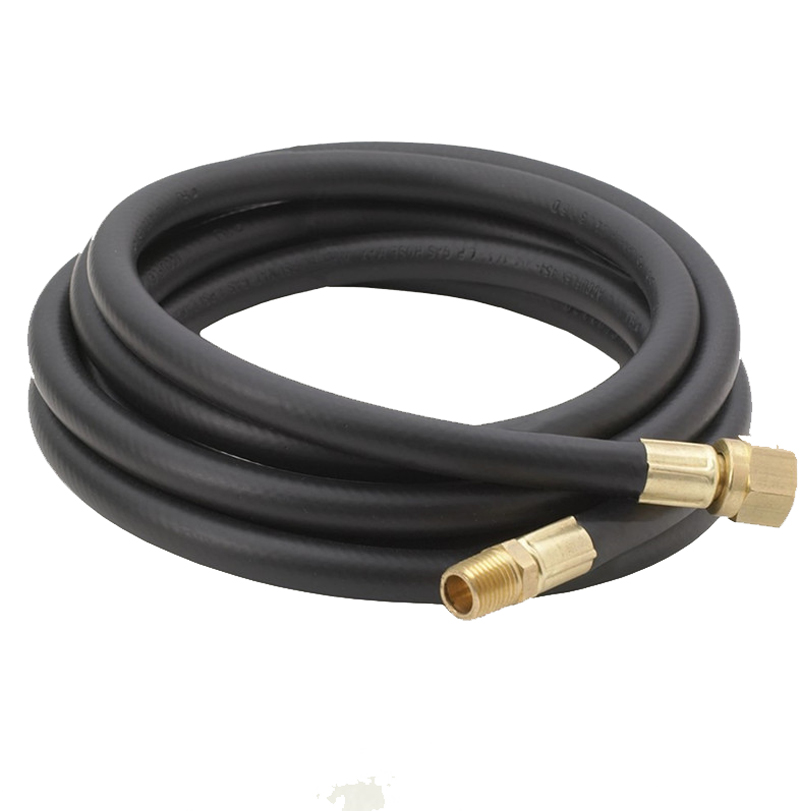
The performance of a fiber braid hydraulic hose is governed by several engineering principles. Hose pressure rating is determined by the combined strength of the reinforcement layers and the inner tube. Burst pressure, typically four times the working pressure, represents the maximum pressure the hose can withstand before catastrophic failure. Flexibility, a critical factor for ease of installation and operation, is influenced by the braiding angle and the materials’ elasticity. Force analysis involves calculating the hoop stress within the hose wall under internal pressure. The formula P = (2 t σ) / r, where P is pressure, t is wall thickness, σ is tensile strength, and r is the radius, illustrates the relationship between these parameters. Environmental resistance is paramount. Exposure to extreme temperatures, ozone, UV radiation, and hydraulic fluids can degrade the rubber compounds, reducing hose life. Compatibility with hydraulic fluids is crucial to prevent swelling, softening, or cracking of the inner tube. Compliance with industry standards, such as SAE J517, dictates the minimum performance requirements for hydraulic hoses. Impulse testing, simulating pressure surges in hydraulic systems, assesses the hose’s ability to withstand repeated pressure fluctuations without failure. Dynamic bending and flexing tests evaluate the hose's resistance to fatigue cracking under operational conditions. Hose selection must consider the working pressure, fluid type, operating temperature, and environmental conditions of the application.
Technical Specifications
| Parameter | Unit | SAE 100R1 AT | SAE 100R2 AT |
|---|---|---|---|
| Working Pressure | MPa | 10.5 | 18.6 |
| Burst Pressure | MPa | 31.5 | 55.2 |
| Temperature Range | °C | -40 to +100 | -40 to +121 |
| Reinforcement | - | Single Steel Wire Braid | Double Steel Wire Braid |
| Inner Tube | - | NBR | NBR |
| Outer Cover | - | CR | CR |
Failure Mode & Maintenance
Fiber braid hydraulic hoses are susceptible to several failure modes. Fatigue cracking, initiated by repeated bending and flexing, occurs primarily in the reinforcement layer. Delamination, the separation of layers, results from inadequate bonding during vulcanization or exposure to harsh chemicals. Abrasion damage to the outer cover exposes the reinforcement to corrosion. Internal corrosion, caused by contaminated hydraulic fluid, weakens the inner tube. Oxidation and UV degradation compromise the rubber compounds, reducing their elasticity and strength. Pinholes can develop in the inner tube due to manufacturing defects or fluid erosion. Improper installation, such as excessive bending or twisting, can significantly reduce hose life. Maintenance practices include regular visual inspection for signs of wear, abrasion, or leaks. Hydraulic fluid should be regularly analyzed for contamination and replaced as needed. Hoses should be routed to avoid sharp bends and contact with hot surfaces. If a hose shows any signs of damage, it should be replaced immediately. Proper storage conditions, away from direct sunlight and extreme temperatures, can extend hose life. Crimping procedures must adhere to manufacturer specifications to ensure a secure connection between the hose and fittings. Preventive maintenance schedules should be implemented based on operating conditions and application severity.
Industry FAQ
Q: What is the impact of fluid velocity on hose life?
A: Higher fluid velocity increases the risk of erosion of the inner tube, particularly with abrasive fluids. It also contributes to increased pressure drop and potential cavitation, which can damage the hose lining. Proper hose sizing and fluid filtration are crucial to mitigate these effects.
Q: How does the braiding angle affect hose flexibility and pressure rating?
A: A smaller braiding angle generally results in greater flexibility but a lower pressure rating. A larger braiding angle provides higher pressure capacity but reduces flexibility. The optimal braiding angle is a compromise between these two factors, determined by the application requirements.
Q: What are the common causes of hose kinking?
A: Kinking is usually caused by improper hose routing, insufficient support, or using a hose with an inadequate bend radius for the application. Choosing a hose with a tighter bend radius specification and providing adequate support are key preventative measures.
Q: How do different hydraulic fluids affect hose compatibility?
A: Different hydraulic fluids have varying chemical compositions and can interact differently with hose materials. For example, phosphate ester fluids require hoses with EPDM inner tubes, while petroleum-based fluids are compatible with NBR. Incorrect fluid compatibility can lead to swelling, softening, or cracking of the hose lining.
Q: What is the importance of proper crimping during hose assembly?
A: Proper crimping is essential for creating a leak-free and reliable connection between the hose and fittings. Incorrect crimping can result in premature failure due to loosening, extrusion, or damage to the hose reinforcement. Crimping procedures must follow manufacturer’s specifications and utilize calibrated crimping tools.
Conclusion
Fiber braid reinforced hydraulic hoses are indispensable components in numerous industrial applications, demanding a thorough understanding of their material properties, manufacturing processes, and performance characteristics. The selection and maintenance of these hoses are critical for ensuring system reliability, safety, and operational efficiency. china one fiber braid hydraulic hose manufacturer’s commitment to quality control, adherence to industry standards, and continuous innovation position it as a reliable supplier in the competitive hydraulic hose market.
Future developments in hydraulic hose technology will likely focus on the incorporation of advanced materials, such as thermoplastic composites, to enhance strength-to-weight ratios and improve corrosion resistance. Furthermore, the integration of smart sensors within the hose structure will enable real-time monitoring of pressure, temperature, and hose condition, facilitating predictive maintenance and reducing downtime. Continued research and development are essential to address the evolving demands of increasingly complex hydraulic systems.