
Apr . 01, 2024 17:55 Back to list
china one fiber braid hydraulic hose factory Performance Analysis
Introduction
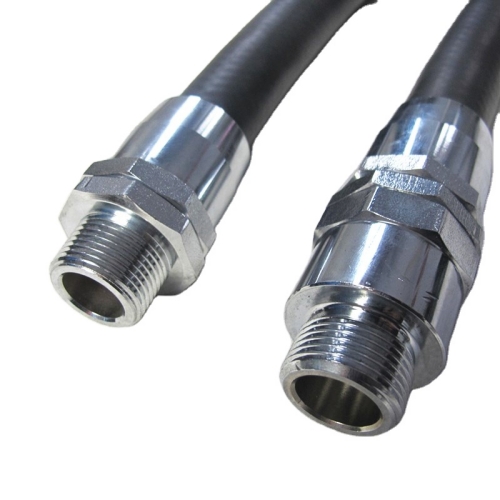
Fiber braid hydraulic hoses are critical components in fluid power systems across diverse industries, including construction, agriculture, manufacturing, and automotive. China One Fiber Braid Hydraulic Hose Factory specializes in the production of these hoses, utilizing a construction consisting of an inner tube, multiple layers of high-tensile steel wire reinforcement, and an outer fiber braid cover. This configuration provides the necessary pressure resistance, flexibility, and durability required for demanding hydraulic applications. The core performance characteristics of these hoses—burst pressure, working pressure, temperature range, and chemical compatibility—define their suitability for specific operational environments. A key industry pain point lies in consistently achieving reliable performance under extreme conditions and maintaining dimensional stability over extended operational lifespans. This guide provides a comprehensive overview of the material science, manufacturing processes, performance parameters, failure modes, and maintenance considerations associated with fiber braid hydraulic hoses produced by China One Fiber Braid Hydraulic Hose Factory.
Material Science & Manufacturing
The manufacturing of fiber braid hydraulic hoses begins with the selection of appropriate materials. The inner tube is typically composed of nitrile rubber (NBR), also known as Buna-N, due to its excellent resistance to petroleum-based hydraulic fluids. However, for applications requiring compatibility with phosphate ester fluids, ethylene propylene diene monomer (EPDM) rubber is preferred. The reinforcement layers consist of high-tensile steel wire, often carbon steel, that is spirally wound to provide pressure containment. The steel wire's tensile strength is a critical parameter, directly impacting the hose’s burst pressure. Finally, the outer cover is commonly constructed from a fiber braid, typically polyester or nylon, providing abrasion resistance and protection against environmental degradation.
The manufacturing process involves several key steps: Inner Tube Extrusion: The rubber compound is extruded through a die to form a seamless tube. Critical parameters include extrusion temperature, screw speed, and die pressure, which influence the tube’s wall thickness and uniformity. Reinforcement Layer Winding: Steel wire is precisely wound onto the inner tube under tension, controlling the pitch and overlap to achieve the desired reinforcement density. Braid Application: The fiber braid is applied over the reinforcement layer using a braiding machine. Braid angle and tension are critical, affecting the hose's flexibility and kink resistance. Outer Cover Extrusion: The outer cover material is extruded over the braid, providing protection and enhancing durability. Curing: The assembled hose undergoes a curing process in an autoclave, vulcanizing the rubber compounds and bonding the layers together. Curing temperature and time are precisely controlled to ensure optimal material properties and dimensional stability. Quality control checks throughout the process, including dimensional measurements, pressure testing, and visual inspection, are essential to ensure the final product meets specified standards.
Performance & Engineering
The performance of fiber braid hydraulic hoses is governed by several key engineering principles. Pressure Containment: The steel wire reinforcement layers are designed to withstand internal fluid pressure without yielding or collapsing. Hoop stress analysis is crucial to determine the optimal wire configuration and diameter. Flexibility: The fiber braid allows the hose to bend and flex without kinking or collapsing, facilitating installation and operation in confined spaces. The braid angle and fiber type significantly influence flexibility. Fatigue Resistance: Hydraulic hoses are subjected to cyclical pressure fluctuations, leading to fatigue stress. Understanding the S-N curve (stress-amplitude versus number of cycles to failure) is vital for predicting hose lifespan. Temperature Resistance: The rubber compounds must maintain their elasticity and integrity over a wide temperature range. Elevated temperatures can accelerate degradation, while low temperatures can lead to stiffening and cracking. Chemical Compatibility: The inner tube material must be resistant to the hydraulic fluid being conveyed. Incompatibility can result in swelling, softening, or degradation of the rubber, leading to leaks and failure. Compliance with industry standards, such as SAE J517 and EN 853, is critical to ensure safe and reliable operation. Furthermore, considerations for environmental resistance – including resistance to ozone, UV radiation, and abrasion – are vital for long-term performance in outdoor applications.
Technical Specifications
| Parameter | Unit | Specification (Typical) | Test Standard |
|---|---|---|---|
| Working Pressure | MPa | 20 - 35 | SAE J517 |
| Burst Pressure | MPa | 60 - 105 | SAE J517 |
| Temperature Range | °C | -40 to +100 | SAE J517 |
| Inner Tube Material | - | NBR (Buna-N) / EPDM | ASTM D2000 |
| Reinforcement Layers | Number | 4 - 6 | SAE J517 |
| Outer Cover Material | - | Polyester / Nylon | ASTM D2231 |
Failure Mode & Maintenance
Fiber braid hydraulic hoses are susceptible to various failure modes, including: Fatigue Cracking: Repeated pressure cycles can initiate cracks in the steel wire reinforcement or the rubber compounds, eventually leading to failure. Abrasion Damage: External abrasion can wear through the outer cover, exposing the reinforcement layers to corrosion. Kink Failure: Sharp bends can cause the hose to kink, restricting flow and potentially rupturing the inner tube. Chemical Degradation: Incompatibility between the hydraulic fluid and the inner tube material can cause swelling, softening, or cracking. Blowout Failure: Failure of the reinforcement layers to contain the fluid pressure can result in a catastrophic blowout.
Preventative maintenance is crucial for maximizing hose lifespan. Regular visual inspections should be conducted to identify any signs of damage, such as cracks, abrasions, or leaks. Hoses should be routed to avoid sharp bends and contact with abrasive surfaces. Hydraulic fluid should be regularly monitored for contamination and replaced as needed. Proper hose assembly and installation techniques are essential to prevent premature failure. When replacing hoses, it’s critical to use the correct size and specification. If a hose exhibits any signs of damage, it should be immediately replaced to prevent catastrophic failure and potential injury. Furthermore, proper storage of hoses – protected from UV light and extreme temperatures – is critical for maintaining material integrity before installation.
Industry FAQ
Q: What is the impact of hydraulic fluid type on the selection of inner tube material?
A: The type of hydraulic fluid significantly impacts the choice of inner tube material. Mineral oil-based fluids are compatible with NBR (Buna-N) rubber. However, if phosphate ester fluids are used, EPDM rubber is essential to prevent degradation and swelling of the inner tube. Incorrect material selection will lead to rapid hose failure.
Q: How does the number of reinforcement layers affect the hose's working pressure?
A: Increasing the number of reinforcement layers directly increases the hose's working and burst pressures. Each layer adds to the overall strength and ability to withstand internal pressure. However, increasing the number of layers also reduces the hose's flexibility.
Q: What are the critical considerations for preventing hose kinking in tight spaces?
A: To prevent kinking, use the largest bend radius specified by the manufacturer. Employ hose guards or support brackets to prevent sharp bends. Select a hose with a smaller diameter or a more flexible braid construction. Avoiding tight turns and ensuring sufficient slack in the hose routing are also crucial.
Q: How important is proper crimping during hose assembly, and what are the consequences of improper crimping?
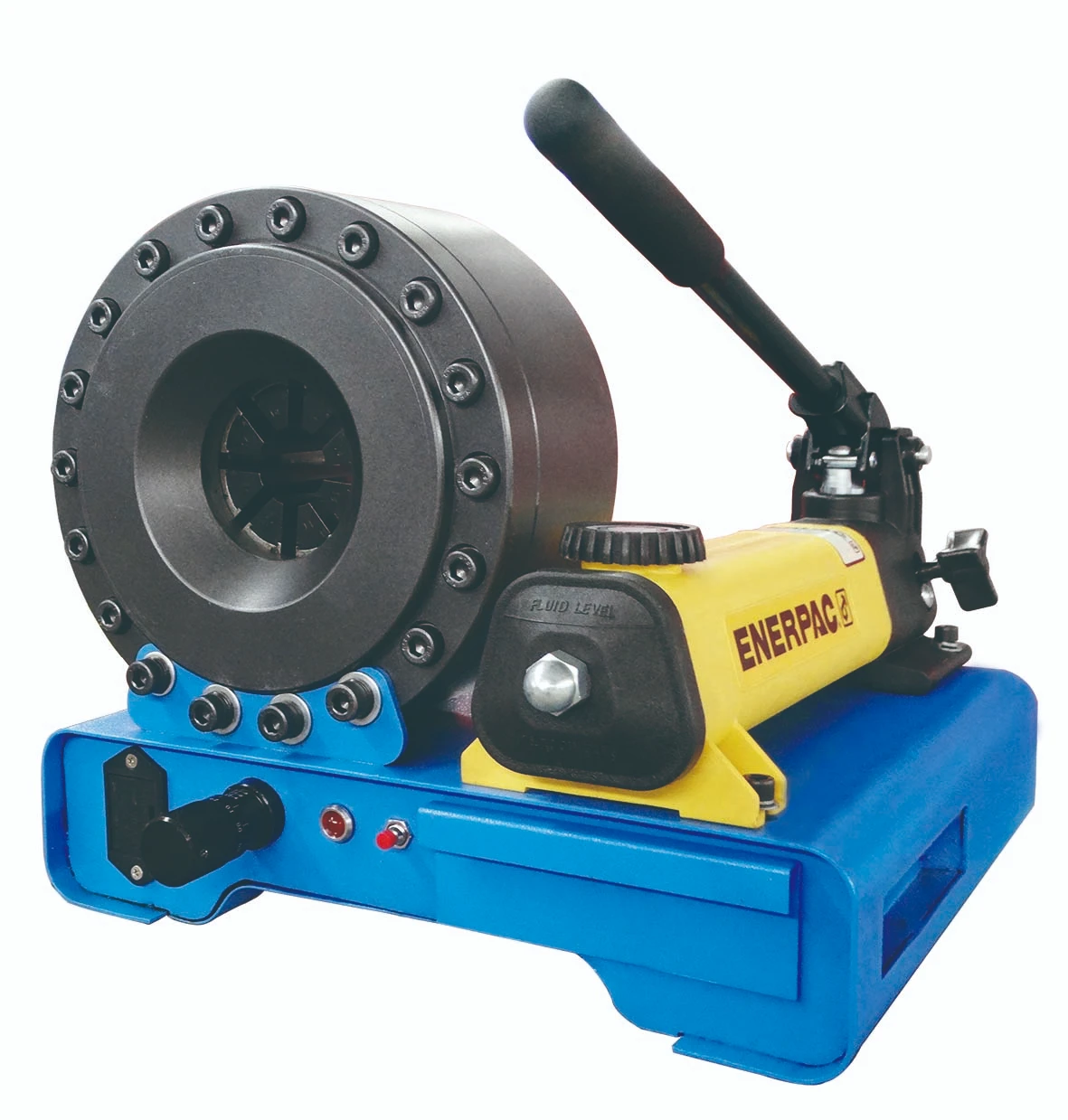
A: Proper crimping is absolutely critical for a reliable hose assembly. Under-crimping can lead to leakage, while over-crimping can damage the hose and reduce its lifespan. The correct crimp specifications, based on hose size and fitting type, must be followed meticulously.
Q: What is the recommended inspection frequency for fiber braid hydraulic hoses in a typical industrial application?
A: The recommended inspection frequency depends on the severity of the operating environment. A minimum monthly inspection is recommended for most applications. In high-vibration or abrasive environments, weekly inspections may be necessary. Inspections should include visual checks for cracks, abrasions, leaks, and kink damage.
Conclusion
China One Fiber Braid Hydraulic Hose Factory produces hoses built upon a foundation of robust material science and carefully controlled manufacturing processes. The performance characteristics of these hoses, dictated by factors such as reinforcement layer count, material selection, and braid construction, directly impact their suitability for diverse hydraulic applications. Understanding the potential failure modes – ranging from fatigue cracking to chemical degradation – and implementing a proactive maintenance program are critical for maximizing hose lifespan and ensuring operational safety.
Continued advancements in materials and manufacturing techniques will likely lead to the development of even more durable and reliable fiber braid hydraulic hoses. Future research may focus on utilizing advanced polymers for improved chemical resistance and exploring new reinforcement materials to enhance pressure capabilities and reduce weight. Furthermore, the integration of smart sensor technology into hoses could enable real-time monitoring of hose health and predictive maintenance capabilities.