
Apr . 01, 2024 17:55 Back to list
china one fiber braid hydraulic hose factories Performance Analysis
Introduction
Fiber braid reinforced hydraulic hoses are a critical component in fluid power systems across numerous industries, including construction, agriculture, mining, and manufacturing. These hoses are designed to transmit hydraulic fluid under high pressure and varying environmental conditions. China one fiber braid hydraulic hose factories have become significant players in the global market, offering a range of hose constructions designed to meet diverse application requirements. The core performance characteristics of these hoses—pressure rating, temperature resistance, and flexibility—are dictated by the materials used in their construction and the manufacturing processes employed. A primary industry pain point is ensuring consistent quality and adherence to international safety standards in a competitive and often fragmented manufacturing landscape. This guide provides an in-depth technical overview of fiber braid hydraulic hoses, focusing on material science, manufacturing processes, performance characteristics, failure modes, and relevant industry standards.
Material Science & Manufacturing
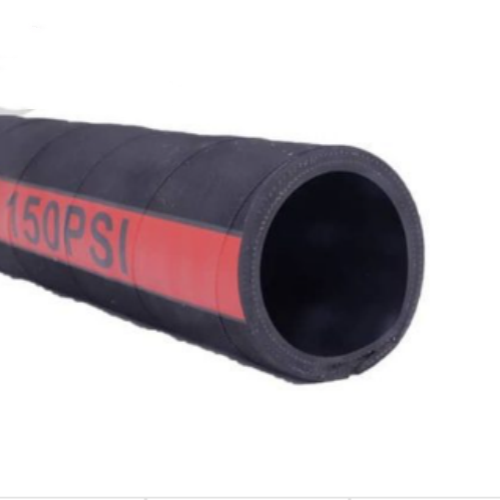
The fundamental construction of a fiber braid hydraulic hose comprises an inner tube, reinforcement layers, and an outer cover. The inner tube is typically composed of a synthetic rubber compound, most commonly nitrile rubber (NBR) for oil-based hydraulic fluids, or ethylene propylene diene monomer (EPDM) for compatibility with phosphate ester fluids. NBR exhibits excellent abrasion resistance and resistance to petroleum-based products, while EPDM provides superior resistance to heat, ozone, and weathering. The reinforcement layer traditionally consists of one or more braids of high-strength steel wire. The number and construction of the braids directly influence the hose’s pressure rating. China one fiber braid hydraulic hose factories often utilize specialized braiding machines to ensure consistent braid angle and coverage, crucial for uniform pressure distribution. The outer cover, usually a synthetic rubber like polyurethane or chloroprene, provides protection against abrasion, oil, and environmental factors. The manufacturing process begins with the extrusion of the inner tube, followed by the application of the reinforcement braid, and finally the extrusion of the outer cover. Critical parameters during extrusion include temperature control, die design, and screw speed, all impacting the dimensional accuracy and uniformity of the hose. Curing is a crucial step in vulcanizing the rubber compounds, enhancing their strength, elasticity, and chemical resistance. Proper curing time and temperature are essential to achieve optimal material properties. Post-curing testing, including dimensional checks and pressure testing, ensures that each hose meets specified quality standards.
Performance & Engineering
The performance of a fiber braid hydraulic hose is heavily reliant on its ability to withstand internal pressure without failure. The burst pressure is a critical parameter, typically determined through hydrostatic testing. Hose manufacturers employ safety factors, typically 4:1, when specifying the working pressure of a hose – the maximum pressure it can safely operate at. Flexibility is another key performance attribute, determined by the hose's bend radius. A smaller bend radius indicates greater flexibility, crucial for applications with tight routing constraints. Fatigue resistance is paramount in dynamic applications involving repeated flexing and pressure cycling. Fatigue failure occurs due to the progressive accumulation of damage within the hose materials, leading to eventual cracking or rupture. Environmental resistance is also vital; exposure to extreme temperatures, UV radiation, and corrosive chemicals can degrade the hose materials, reducing their lifespan and performance. Engineering considerations include proper hose fitting selection and installation. Incorrect fittings or improper crimping can create stress concentrations, leading to premature failure. Furthermore, hose routing must avoid sharp bends, abrasion points, and exposure to excessive heat. Standards such as SAE J517 define performance requirements for hydraulic hoses, including pressure rating, temperature range, and fluid compatibility.
Technical Specifications
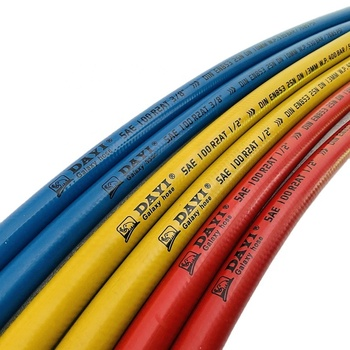
| Parameter | Unit | SAE 100R1AT | SAE 100R2AT |
|---|---|---|---|
| Working Pressure | MPa | 20.7 | 34.5 |
| Burst Pressure | MPa | 82.7 | 138.0 |
| Temperature Range | °C | -40 to +100 | -40 to +121 |
| Inner Tube | - | NBR | NBR |
| Reinforcement | - | Single Steel Wire Braid | Double Steel Wire Braid |
| Cover | - | Synthetic Rubber | Synthetic Rubber |
Failure Mode & Maintenance
Several failure modes can affect fiber braid hydraulic hoses. Fatigue cracking is a common issue, particularly in applications with high-frequency flexing. This occurs due to the cumulative damage caused by repeated stress cycles. Wire break within the reinforcement braid can also lead to failure, often initiated by corrosion or fatigue. Corrosion, particularly from exposure to salt spray or corrosive fluids, can weaken the steel wire and lead to eventual breakage. Hose twisting, caused by improper installation or dynamic movement, can induce stress concentrations and accelerate fatigue failure. Abrasion damage to the outer cover can expose the reinforcement braid to corrosion, compromising its integrity. Chemical degradation of the inner tube or outer cover can also lead to failure, particularly from exposure to incompatible fluids or harsh chemicals. Preventive maintenance is crucial for extending hose lifespan. Regular visual inspections should be conducted to identify signs of wear, abrasion, or cracking. Hoses should be replaced if any damage is detected. Proper hose routing and support are essential to prevent abrasion and twisting. Fluid compatibility should be verified to ensure that the hose materials are resistant to the hydraulic fluid being used. Furthermore, regular fluid analysis can help identify contaminants that could accelerate hose degradation.
Industry FAQ
Q: What is the impact of braid angle on hose pressure rating?
A: The braid angle significantly impacts the hose's ability to withstand pressure. A smaller braid angle provides better containment of the internal pressure, resulting in a higher pressure rating. However, a smaller angle also reduces the hose's flexibility. China one fiber braid hydraulic hose factories carefully control the braid angle during manufacturing to achieve the optimal balance between pressure rating and flexibility for specific applications.
Q: How do different rubber compounds affect hose performance?
A: Different rubber compounds offer varying levels of resistance to different fluids, temperatures, and environmental factors. Nitrile rubber (NBR) is commonly used for oil-based hydraulic fluids due to its excellent abrasion resistance and oil resistance. Ethylene propylene diene monomer (EPDM) is preferred for phosphate ester fluids and offers superior resistance to heat, ozone, and weathering. The choice of rubber compound depends on the specific application and the fluids being used.
Q: What is the significance of the "dash size" designation for hydraulic hoses?
A: The "dash size" designation (e.g., -4, -6, -8) refers to the inner diameter of the hose in sixteenths of an inch. For example, a -6 hose has an inner diameter of 6/16 or 3/8 inch. This designation is crucial for ensuring compatibility with fittings and other components in the hydraulic system.
Q: How does temperature affect hose lifespan and performance?
A: Extreme temperatures can significantly degrade hose materials. High temperatures can cause the rubber compounds to harden and become brittle, reducing their flexibility and increasing the risk of cracking. Low temperatures can also affect rubber compounds, making them less pliable. Maintaining the hose within its specified temperature range is essential for maximizing its lifespan and performance.
Q: What are the key considerations for selecting the appropriate hose fitting?
A: Selecting the correct hose fitting is crucial for ensuring a leak-free and reliable connection. Factors to consider include the hose dash size, the fitting type (e.g., crimp fitting, field attachable fitting), the operating pressure, and the fluid compatibility. Improperly sized or incompatible fittings can create stress concentrations and lead to premature failure.
Conclusion
Fiber braid hydraulic hoses are essential components in numerous industrial applications, requiring a deep understanding of material science, manufacturing processes, and performance characteristics. China one fiber braid hydraulic hose factories play a vital role in the global supply chain, providing a wide range of hose constructions tailored to diverse needs. Ensuring consistent quality, adherence to international standards, and proper maintenance practices are crucial for maximizing hose lifespan and preventing catastrophic failures.
Continued advancements in material science and manufacturing technologies are driving improvements in hose performance, particularly in areas such as pressure rating, temperature resistance, and fatigue life. Focusing on predictive maintenance and condition monitoring will further enhance the reliability and safety of hydraulic systems, contributing to increased efficiency and reduced downtime. The effective integration of these elements is key to long-term success in this competitive industry.