
Apr . 01, 2024 17:55 Back to list
china lpg hose suppliers supplier Performance Analysis
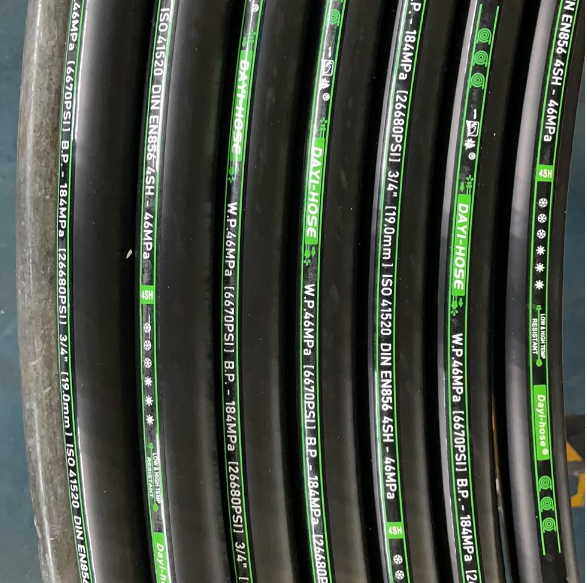
Introduction
Liquefied Petroleum Gas (LPG) hoses are critical components in the safe and efficient transfer of LPG for heating, cooking, and industrial applications. China LPG hose suppliers play a significant role in the global supply chain, offering a diverse range of products tailored to various regulatory standards and operational demands. This technical guide provides an in-depth analysis of LPG hoses, encompassing material science, manufacturing processes, performance characteristics, failure modes, and relevant industry standards. The core performance of an LPG hose is defined by its ability to withstand high pressures, resist permeation of LPG, maintain flexibility across a wide temperature range, and ensure long-term durability in potentially corrosive environments. The industry’s key pain points lie in consistently meeting stringent safety regulations (varying by region), ensuring compatibility with different LPG compositions, and minimizing permeation to prevent gas leaks and environmental impact. The selection of appropriate materials and adherence to precise manufacturing controls are therefore paramount.
Material Science & Manufacturing
LPG hoses are typically constructed from multiple layers of specialized materials designed to provide structural integrity and chemical resistance. The inner tube, which directly contacts the LPG, is commonly made from nitrile rubber (NBR) due to its excellent resistance to hydrocarbons. However, depending on the LPG composition and operating temperature, other elastomers like ethylene propylene diene monomer (EPDM) may be employed, particularly where improved temperature resistance is required. The reinforcement layer is crucial for withstanding internal pressure. This layer often consists of multiple plies of high-tensile strength synthetic fibers – typically polyester or nylon – embedded in a rubber matrix. The outer cover provides protection against abrasion, UV radiation, ozone, and weathering. Common outer cover materials include chloroprene rubber (CR), commonly known as Neoprene, and ethylene propylene rubber (EPR).
Manufacturing typically involves a multi-stage process. First, the inner tube is extruded through a die to create a seamless, consistent layer. The reinforcement plies are then spirally wound or braided around the inner tube, followed by a secondary extrusion process to encase the reinforcement within the outer cover. Key parameter control during manufacturing includes maintaining precise ply angles during reinforcement winding (affecting burst pressure), ensuring uniform rubber thickness, and controlling vulcanization (curing) time and temperature to achieve optimal elastomer cross-linking. Proper vulcanization is critical for achieving desired mechanical properties, such as tensile strength, elongation at break, and hardness. Incorrect vulcanization can lead to premature failure due to either under-curing (resulting in low strength) or over-curing (resulting in brittleness).
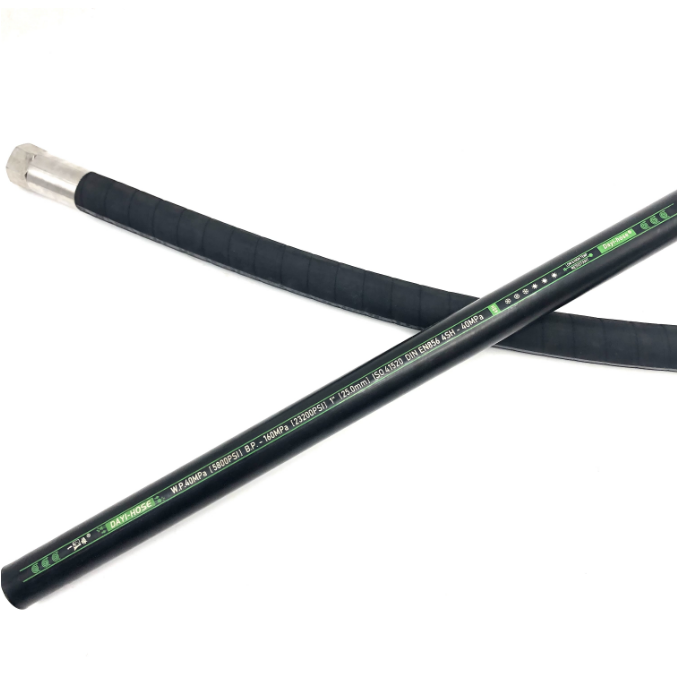
Performance & Engineering
The performance of an LPG hose is dictated by its ability to safely contain LPG under specified operating conditions. Force analysis focuses on burst pressure, tensile strength, and elongation at break. Burst pressure, determined by hydrostatic testing, represents the maximum internal pressure the hose can withstand before rupture. Tensile strength measures the resistance to axial pulling forces, critical for handling and installation. Elongation at break indicates the amount of stretch the hose can undergo before failure, influencing flexibility and resistance to impact.
Environmental resistance is paramount. LPG hoses must maintain their integrity across a wide temperature range, typically from -40°C to +80°C, depending on the application. Exposure to UV radiation and ozone can degrade the outer cover, leading to cracking and reduced protection. Chemical compatibility with various LPG compositions (propane, butane, and their mixtures) is also vital to prevent swelling, softening, or dissolution of the hose material. Compliance requirements vary significantly by region. European standards (EN ISO 3821) dictate specific testing procedures and performance criteria for LPG hoses. American standards (DOT) have distinct requirements, as do those in China (GB). Permeation resistance is a crucial engineering consideration. LPG molecules can slowly permeate through the hose wall, leading to gas loss and potential hazards. Permeation rates are influenced by material composition, thickness, and temperature. Specialized barrier layers are sometimes incorporated to minimize permeation.
Technical Specifications
| Parameter | Unit | Standard (EN ISO 3821) | Typical Value (China Supplier) |
|---|---|---|---|
| Working Pressure | bar | ≥ 15 | 16-20 |
| Burst Pressure | bar | ≥ 45 | 50-60 |
| Tensile Strength | MPa | ≥ 15 | 18-22 |
| Elongation at Break | % | ≥ 300 | 350-400 |
| Permeation Rate (Propane) | g/m²/day | ≤ 5 | 2-4 |
| Temperature Range | °C | -40 to +80 | -40 to +85 |
Failure Mode & Maintenance
LPG hoses are susceptible to several failure modes. Fatigue cracking, caused by repeated flexing and pressure cycling, is a common issue, particularly at connection points. Delamination, the separation of layers, can occur due to poor adhesion during manufacturing or prolonged exposure to harsh environments. Degradation of the rubber material due to UV radiation, ozone, and chemical exposure leads to hardening, cracking, and loss of flexibility. Oxidation can also contribute to material breakdown. Internal corrosion, though less common, can occur if the LPG contains corrosive contaminants.
Maintenance involves regular visual inspection for cracks, swelling, abrasion, and discoloration. Connection points should be checked for tightness and corrosion. The hose should be replaced if any signs of damage are detected. Avoid sharp bends and kinks, which can stress the hose and accelerate fatigue cracking. Protect the hose from direct sunlight and extreme temperatures. Store the hose in a cool, dry place when not in use. Never attempt to repair a damaged LPG hose; complete replacement is the only safe option. Adherence to a preventative maintenance schedule, including documented inspection intervals, is crucial for ensuring long-term safety and reliability.
Industry FAQ
Q: What is the significance of the reinforcement layer in an LPG hose?
A: The reinforcement layer provides the primary structural support, enabling the hose to withstand internal pressure without bursting or collapsing. The material, ply angle, and number of plies directly influence the hose's burst pressure and tensile strength. Improper reinforcement construction is a common cause of catastrophic failure.
Q: How does the LPG composition affect hose material selection?
A: Different LPG compositions (propane vs. butane mixtures) exhibit varying degrees of chemical reactivity. Butane, for example, can be more aggressive towards certain elastomers. Therefore, the inner tube material must be specifically chosen to ensure compatibility with the anticipated LPG composition to prevent swelling, degradation, or permeation.
Q: What are the implications of exceeding the hose’s temperature range?
A: Exceeding the upper temperature limit can lead to softening and reduced mechanical strength of the rubber materials, increasing the risk of failure. Exposure to excessively low temperatures can cause embrittlement and cracking. Maintaining operation within the specified temperature range is critical for long-term performance.
Q: How is permeation measured and minimized in LPG hoses?
A: Permeation is typically measured by exposing the hose to LPG under controlled temperature and pressure conditions and quantifying the amount of gas that passes through the hose wall over a specified period. Minimization strategies include using low-permeability elastomers, increasing hose wall thickness, and incorporating specialized barrier layers.
Q: What is the role of standards like EN ISO 3821 in LPG hose safety?
A: Standards like EN ISO 3821 provide standardized testing procedures and performance criteria to ensure that LPG hoses meet minimum safety requirements. Compliance with these standards demonstrates that the hose has been rigorously tested and validated for its intended application, reducing the risk of failures and ensuring consumer safety.
Conclusion
The safe and reliable operation of LPG systems hinges on the quality and integrity of the hoses employed. China LPG hose suppliers, offering a wide range of products, must prioritize material selection, meticulous manufacturing processes, and adherence to stringent international standards to address the core industry pain points of safety, compatibility, and durability. Understanding the nuances of material science, the implications of various failure modes, and the importance of preventative maintenance is paramount for ensuring long-term performance and minimizing the risk of accidents.
Future advancements in LPG hose technology will likely focus on the development of even more permeation-resistant materials, lightweight constructions, and smart hoses equipped with sensors to monitor pressure, temperature, and potential leaks. Continuous improvement in manufacturing techniques and quality control will remain essential to meet the evolving demands of the LPG industry and maintain the highest levels of safety and reliability.