
Apr . 01, 2024 17:55 Back to list
china lpg hose suppliers factories Performance Analysis
Introduction
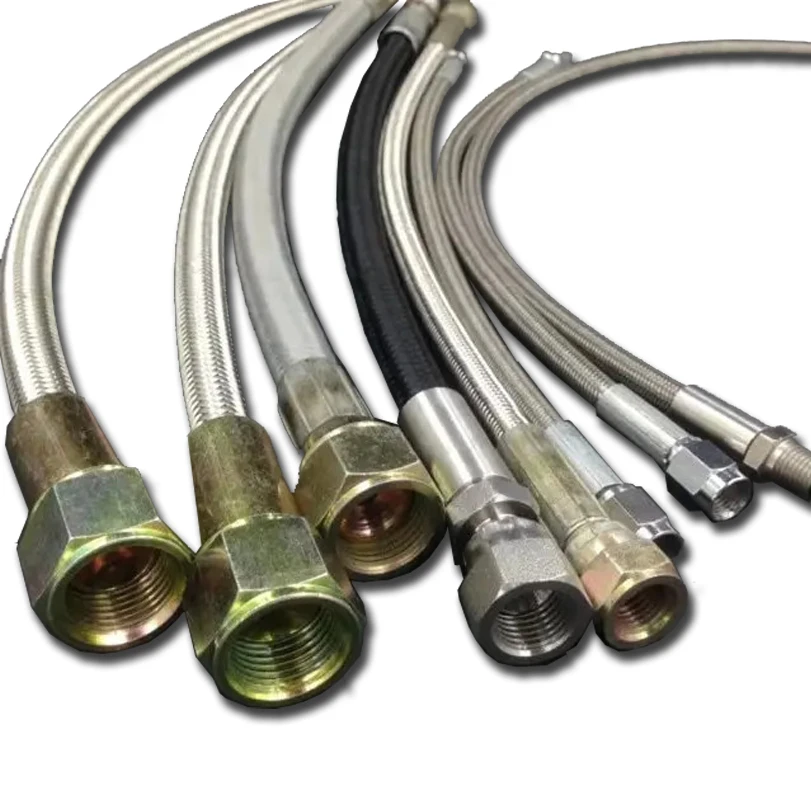
Liquefied Petroleum Gas (LPG) hoses manufactured by Chinese suppliers are critical components in the safe and efficient distribution of LPG for a variety of applications, including residential heating, cooking, industrial processes, and automotive fuel systems. These hoses represent a significant portion of the global supply chain, with China being a leading producer. The technical position of these hoses within the industry chain lies between the LPG storage/transportation infrastructure (tanks, cylinders, pipelines) and the end-use appliances. Their core performance characteristics center around pressure resistance, leak-proof integrity, compatibility with LPG, and resistance to environmental degradation. The increasing demand for LPG globally coupled with stricter safety regulations has placed increasing emphasis on the quality and performance of these hoses. Core pain points for buyers include ensuring consistent material quality, verifying compliance with international safety standards, and mitigating the risks associated with hose failure due to aging, chemical attack, or mechanical damage.
Material Science & Manufacturing
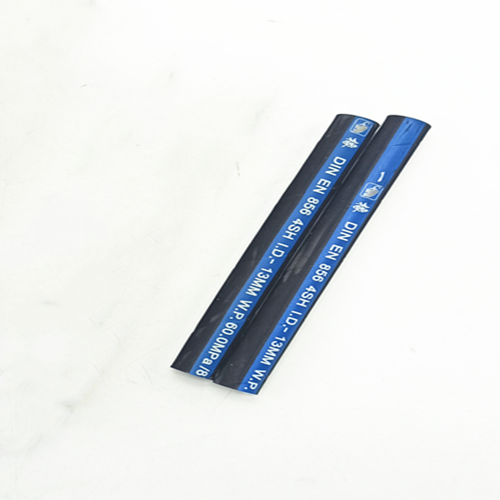
LPG hoses are typically constructed from multiple layers, each serving a specific function. The inner layer, in direct contact with LPG, is commonly made of a specialized rubber compound formulated for compatibility with propane and butane. Nitrile rubber (NBR) is frequently used due to its excellent resistance to hydrocarbon fuels, but ethylene propylene diene monomer (EPDM) rubber may be utilized for improved high-temperature resistance and ozone resistance. The reinforcement layer is critical for withstanding internal pressure. This layer usually consists of high-tensile strength textile braids (typically polyester or nylon) or spirally wound steel wire. The outer cover provides protection against abrasion, weathering, and UV degradation. Common materials include chloroprene rubber (CR) or a blend of polymers. Manufacturing processes begin with the compounding of rubber formulations, followed by extrusion to form the inner tube and outer cover. The reinforcement layer is then applied through braiding or winding processes. Critical parameters during manufacturing include maintaining precise rubber compound ratios to achieve desired chemical resistance and flexibility, ensuring consistent braid tension for pressure containment, and controlling curing temperatures and times to optimize rubber vulcanization. Failure to control these parameters can result in hoses with compromised performance and reduced lifespan. Post-production testing includes hydrostatic pressure testing, leak testing, and tensile strength testing to verify performance characteristics.
Performance & Engineering
The performance of an LPG hose is fundamentally dictated by its ability to safely contain LPG under varying pressure and temperature conditions. Force analysis considers both the internal hydrostatic pressure exerted by the LPG and external mechanical stresses induced by bending, kinking, or impact. The reinforcement layer is designed to resist hoop stress caused by internal pressure, while the rubber compounds provide a sealing function. Environmental resistance is crucial; LPG hoses must withstand exposure to UV radiation, ozone, temperature fluctuations, and potential contact with oil, grease, and other chemicals. Compliance requirements are extensive and vary by region. In Europe, EN 1763-1:2015 specifies requirements for LPG hoses. In the US, the National Fire Protection Association (NFPA) 51 standard addresses LPG storage and handling, which includes hose requirements. Functional implementation necessitates consideration of hose length, diameter, and connection types (e.g., flared fittings, quick-connect couplings). Proper hose selection and installation are vital to prevent leaks and ensure safe operation. Fatigue failure is a common concern, particularly in applications involving frequent bending or vibration. Therefore, the hose must exhibit excellent flex fatigue resistance.
Technical Specifications
| Parameter | Unit | Typical Value (China LPG Hose) | Testing Standard |
|---|---|---|---|
| Working Pressure | MPa | 1.6 | EN 1763-1 |
| Burst Pressure | MPa | 4.0 | EN 1763-1 |
| Tensile Strength (Reinforcement) | N/mm² | 15 | ISO 6988 |
| Elongation at Break (Inner Tube) | % | 300 | ASTM D412 |
| Hardness (Outer Cover) | Shore A | 60 ± 5 | ISO 8903 |
| Temperature Range | °C | -30 to +70 | EN 1763-1 |
Failure Mode & Maintenance
LPG hose failure can manifest in several ways. Fatigue cracking in the reinforcement layer is common due to repeated bending and flexing. Rubber degradation (aging, hardening, cracking) occurs over time due to exposure to UV radiation, ozone, and temperature extremes. Chemical attack can occur if the hose is exposed to incompatible substances. Permeation of LPG through the rubber material can lead to gradual loss of pressure and potential leaks. Delamination between the rubber layers can compromise the hose’s structural integrity. Oxidation can degrade the rubber compounds, reducing their elasticity and strength. Maintenance solutions include regular visual inspection for cracks, bulges, or signs of deterioration. Hoses should be replaced if any damage is detected. Avoid sharp bends or kinking during installation and use. Store hoses in a cool, dry, and dark place when not in use. Properly secure connections to prevent strain on the hose. Implement a scheduled replacement program based on usage frequency and environmental conditions. Hydrostatic testing can be performed periodically to verify the hose’s pressure-holding capability, although this requires specialized equipment and expertise.
Industry FAQ
Q: What is the typical lifespan of a Chinese-manufactured LPG hose under normal operating conditions?
A: The typical lifespan is 5-7 years, but this is heavily dependent on operating conditions, frequency of use, and exposure to environmental factors. Regular inspection and adherence to maintenance recommendations are crucial to maximizing lifespan.
Q: How do I verify that a supplier’s LPG hoses meet European safety standards (EN 1763-1)?
A: Request a copy of the hose’s test report from a recognized certification body (e.g., TÜV, SGS). Verify that the report covers all relevant tests outlined in EN 1763-1 and that the test results meet the specified requirements. Look for the CE marking on the hose itself.
Q: What rubber compounds offer the best resistance to LPG permeation?
A: EPDM rubber generally exhibits lower LPG permeation rates compared to NBR. However, specialized NBR formulations with reduced porosity can also provide acceptable performance. The choice depends on the specific LPG composition and operating pressure.
Q: What are the implications of using a hose with an incompatible reinforcement material (e.g., steel wire in a corrosive environment)?
A: Using an incompatible material can lead to corrosion of the reinforcement layer, compromising its strength and potentially causing catastrophic failure. Ensure the reinforcement material is compatible with the intended operating environment.
Q: What is the role of the outer cover in preventing hose failure?
A: The outer cover protects the hose from abrasion, UV degradation, ozone cracking, and chemical exposure. It significantly extends the hose’s lifespan and maintains its flexibility and structural integrity. A degraded outer cover can accelerate the deterioration of the inner layers.
Conclusion
The reliable performance of LPG hoses sourced from Chinese suppliers is paramount for ensuring the safe and efficient distribution of LPG. A thorough understanding of the material science, manufacturing processes, performance characteristics, and potential failure modes is essential for informed procurement and effective operation. Adherence to international standards and implementation of robust maintenance practices are critical to mitigating risks and maximizing the lifespan of these vital components.
Looking ahead, advancements in rubber compounding technology and reinforcement materials will likely lead to LPG hoses with improved durability, chemical resistance, and permeation resistance. Increased emphasis on quality control and traceability throughout the supply chain will further enhance the reliability of these products. Continuous monitoring of industry regulations and best practices is essential for staying abreast of evolving safety requirements.