
Apr . 01, 2024 17:55 Back to list
china hydraulic industrial hose manufacturer Performance Engineering
Introduction
Hydraulic industrial hoses, manufactured in China, represent a critical component within fluid power systems serving diverse industries, including construction, agriculture, mining, and manufacturing. These hoses facilitate the transmission of hydraulic fluid under high pressure, enabling the operation of machinery like excavators, loaders, and presses. The Chinese manufacturing base has become a significant global supplier due to cost-effectiveness, increasing technological capabilities, and production capacity. Core performance characteristics include pressure rating, temperature resistance, fluid compatibility, and physical durability. A primary industry pain point revolves around ensuring consistent quality control and adherence to international safety standards, given the potential for catastrophic failure and associated risks. Another key challenge is material selection to achieve optimal performance in increasingly demanding operational environments and compatibility with evolving hydraulic fluid formulations.
Material Science & Manufacturing
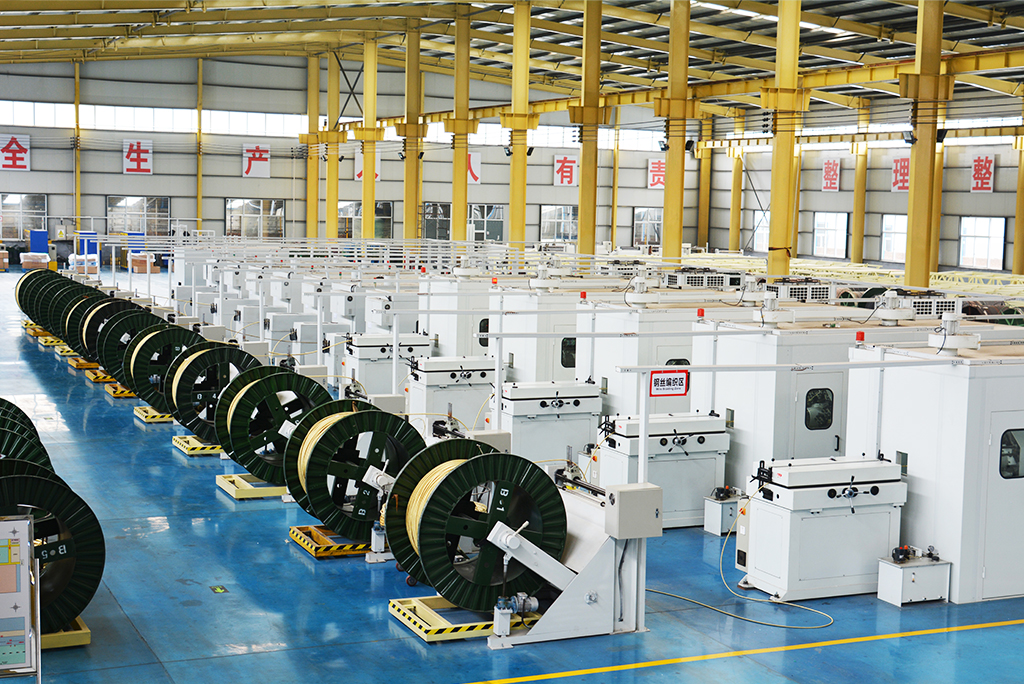
The construction of hydraulic hoses relies on a multi-layered structure, typically comprising an inner tube, reinforcement layers, and an outer cover. The inner tube, responsible for containing the hydraulic fluid, is commonly composed of nitrile rubber (NBR), ethylene propylene diene monomer (EPDM), or fluoropolymers (FKM) like Viton. NBR offers good resistance to petroleum-based oils, while EPDM excels in phosphate ester fluid compatibility and high-temperature applications. FKMs provide superior chemical resistance but at a higher cost. Reinforcement layers provide the pressure-bearing capacity and are traditionally constructed of multiple plies of high-tensile steel wire, spirally wound or braided. Recent advancements explore the use of aramid fiber reinforcement for lighter weight and improved flexibility. The outer cover, providing environmental protection and abrasion resistance, commonly utilizes synthetic rubbers like chloroprene (CR) or polyurethane (PU). The manufacturing process begins with extrusion of the inner tube, followed by the application of reinforcement layers through winding or braiding machines. Precise tension control during reinforcement application is crucial for achieving the specified pressure rating. Finally, the outer cover is extruded, and the hose is cured under heat and pressure to vulcanize the rubber compounds, establishing the final material properties. Key parameter control points include rubber compound formulation, wire diameter and count, winding/braiding angles, and curing temperature and time. Variations in any of these parameters can significantly impact the hose’s performance and lifespan.
Performance & Engineering
Hydraulic hose performance is dictated by several engineering principles. Burst pressure, the maximum pressure the hose can withstand before failure, is a primary specification, calculated based on reinforcement layer strength and hose dimensions using the Barlow’s formula (P = 2St/D, where P is pressure, S is tensile strength, t is wall thickness, and D is diameter). Fatigue life is another critical parameter, reflecting the hose's ability to withstand repeated pressure cycles without failure. This is influenced by material hysteresis, stress concentration at fittings, and the amplitude of pressure fluctuations. Environmental resistance is crucial, with considerations for temperature extremes, UV exposure, ozone cracking, and chemical exposure. Hose bend radius must be carefully controlled to prevent kinking and damage to the reinforcement layers. Force analysis during operation must account for internal pressure forces, external bending moments, and axial loads. Compliance with industry standards such as SAE J517 (hydraulic hose construction) and ISO 6899 (hydraulic hose assemblies) is paramount, defining minimum performance requirements and testing procedures. Specialized hoses, such as those designed for high-temperature applications or offshore environments, incorporate engineered materials and design features to address specific challenges.
Technical Specifications
| Hose Type | Working Pressure (PSI) | Burst Pressure (PSI) | Temperature Range (°F) |
|---|---|---|---|
| Hydraulic Hose - Wire Braid | 2000 | 8000 | -40 to 212 |
| Hydraulic Hose - Spiral Wire | 3000 | 12000 | -40 to 212 |
| Thermoplastic Hydraulic Hose | 2500 | 10000 | -40 to 250 |
| Ultra-High Pressure Hose | 5000 | 20000 | -40 to 212 |
| Suction & Return Hose | 150 | 600 | -40 to 185 |
| Chemical Transfer Hose | 100 | 400 | -20 to 160 |
Failure Mode & Maintenance
Hydraulic hose failures commonly stem from several mechanisms. Fatigue cracking, initiated by repeated pressure cycling and stress concentration, leads to gradual weakening and eventual rupture. External damage, such as abrasion, cuts, or impacts, can compromise the hose’s integrity. Internal degradation due to fluid incompatibility or contamination causes swelling, softening, and loss of mechanical properties. Fitting-related failures, including corrosion, loosening, or improper installation, are also prevalent. Oxidation and ozone cracking affect the outer cover, reducing its protective capability. To mitigate these risks, regular visual inspections are crucial, looking for signs of wear, damage, and leakage. Hose assemblies should be routinely checked for proper torque and tightness. Hydraulic fluid should be maintained clean and free of contaminants through filtration. Correct hose routing and support are essential to prevent excessive bending and abrasion. Replacement should occur at predetermined intervals based on operating conditions and manufacturer’s recommendations. When replacing hoses, ensure compatibility with the hydraulic fluid and operating pressure. Employ proper installation techniques, including correct fitting selection and torque specifications.
Industry FAQ
Q: What is the significance of DIN EN 856 versus SAE J517 standards for hydraulic hoses?
A: DIN EN 856 is a European standard specifying dimensions, performance characteristics, and testing procedures for hydraulic hoses, while SAE J517 is the equivalent North American standard. While both standards aim to ensure safety and performance, they differ in specific requirements and testing methods. DIN EN 856 tends to be more metric-focused, while SAE J517 uses imperial units. Interchangeability is not always guaranteed, so careful consideration is required when selecting hoses for international applications.
Q: How does temperature affect the performance and lifespan of a hydraulic hose?
A: Elevated temperatures accelerate rubber degradation, reducing the hose’s flexibility and increasing the risk of cracking. Low temperatures can cause the rubber to become brittle, increasing susceptibility to damage. Exceeding the hose’s specified temperature range can dramatically shorten its lifespan. Specialized hoses with heat-resistant materials are available for high-temperature applications.
Q: What is the role of hose guards in protecting hydraulic hoses?
A: Hose guards provide physical protection against abrasion, cuts, and impacts, significantly extending the hose's lifespan. They are particularly important in applications where hoses are exposed to harsh environments or are routed near moving machinery. Various types of hose guards are available, including helical wraps, sleeves, and complete hose coverings.
Q: How do I properly select a hydraulic hose for a specific application?
A: Proper hose selection requires careful consideration of operating pressure, temperature range, fluid compatibility, and environmental conditions. It's crucial to select a hose with a working pressure rating that exceeds the maximum system pressure. The hose material must be compatible with the hydraulic fluid to prevent swelling or degradation. Consider the hose’s exposure to UV radiation, ozone, and other environmental factors.
Q: What are the common causes of hydraulic hose leaks, and how can they be prevented?
A: Common causes of leaks include loose fittings, damaged hoses, incompatible fluids, and contamination. Prevention involves regular inspections, proper fitting installation and torque, maintaining fluid cleanliness, using compatible hoses and fluids, and protecting hoses from external damage. Promptly address any signs of leakage to prevent further system damage.
Conclusion
China-manufactured hydraulic industrial hoses play a vital role in global fluid power systems, demanding a thorough understanding of material science, manufacturing processes, and performance engineering. Selecting the appropriate hose necessitates careful consideration of operating parameters, environmental factors, and adherence to relevant industry standards. Proactive maintenance, including regular inspections and timely replacement, is critical to ensuring reliable operation and preventing catastrophic failures.
The continued evolution of hydraulic hose technology focuses on developing materials with enhanced durability, chemical resistance, and temperature stability, alongside optimized manufacturing techniques to improve quality control and reduce costs. As hydraulic systems become more sophisticated, the demand for high-performance hoses will continue to grow, driving innovation and further advancements within the Chinese manufacturing sector.