
Apr . 01, 2024 17:55 Back to list
china hydraulic hose factories Performance Analysis

Introduction
Hydraulic hoses manufactured in China represent a significant portion of the global supply chain, serving a diverse range of industries including construction, agriculture, mining, and manufacturing. These hoses are critical components in hydraulic systems, responsible for transmitting fluid power to actuators and other hydraulic machinery. The Chinese manufacturing sector has evolved rapidly, achieving substantial capacity and increasingly focusing on adherence to international quality standards. This guide provides an in-depth technical overview of these hoses, covering material science, manufacturing processes, performance characteristics, failure modes, and relevant industry standards. A key challenge facing purchasers is navigating the spectrum of quality and ensuring the hose meets the precise demands of their application, considering factors beyond just price point. Core performance aspects include pressure rating, temperature resistance, fluid compatibility, and service life, all of which are heavily influenced by material selection and manufacturing controls.
Material Science & Manufacturing
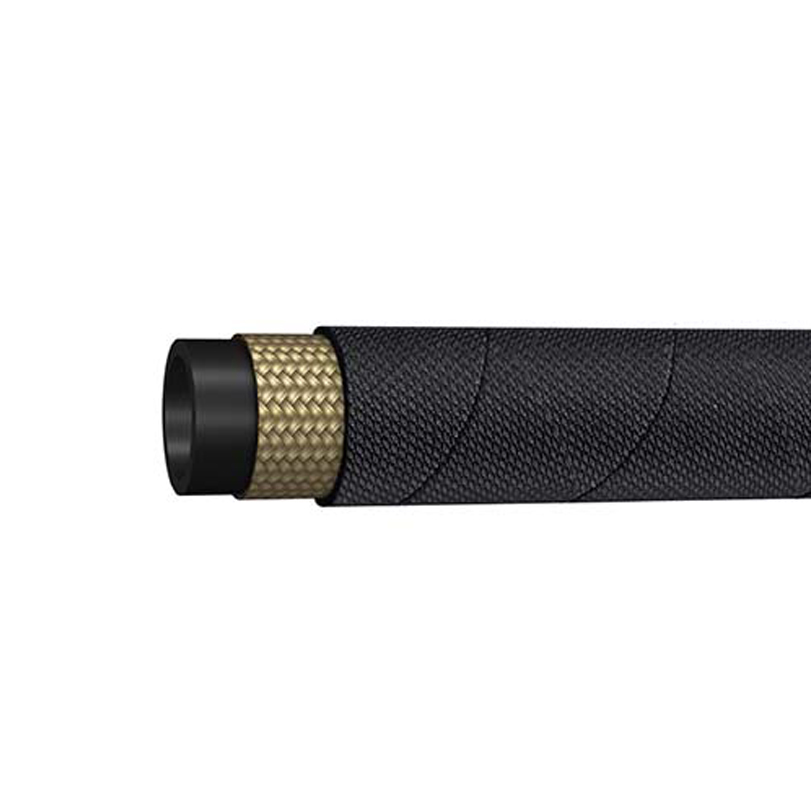
The core material for hydraulic hose construction is typically a synthetic rubber compound. Nitrile rubber (NBR) is widely used due to its excellent resistance to petroleum-based fluids. However, specialized applications may require other elastomers such as Ethylene Propylene Diene Monomer (EPDM) for phosphate ester fluids or Fluorocarbon (FKM/Viton) for high-temperature and aggressive chemical environments. Reinforcement layers are crucial for pressure containment and burst strength. These layers commonly consist of one or more plies of high-tensile steel wire, spirally wound or braided. Polyester or nylon textile braiding are also used in lower-pressure applications. The cover layer, providing abrasion and weather resistance, typically utilizes synthetic rubber compounds like Chloroprene (CR) or a blend of polymers.
Manufacturing processes begin with rubber compounding, where raw elastomers, plasticizers, fillers (e.g., carbon black), and curing agents are precisely mixed. Extrusion is used to form the inner tube, reinforcement layers are applied using automated winding or braiding machines, and the cover is then extruded over the reinforcement. Critical parameters during extrusion include die temperature, screw speed, and back pressure, all impacting the uniformity and dimensional accuracy of the hose. Curing (vulcanization) is a key step, involving heating the assembled hose under pressure to initiate cross-linking of the rubber molecules, enhancing strength, elasticity, and chemical resistance. Post-curing processes include dimensional inspection, pressure testing to verify burst strength, and surface finishing. Quality control at each stage is paramount, requiring rigorous testing of raw materials and finished products.
Performance & Engineering
Hydraulic hose performance is governed by a complex interplay of factors, most critically pressure rating, temperature range, and fluid compatibility. Pressure rating dictates the maximum working pressure the hose can safely withstand, a parameter directly correlated with reinforcement layer configuration (wire diameter, ply count, braid angle). Temperature extremes significantly affect rubber elasticity and strength; exceeding specified temperature limits leads to reduced service life and potential failure. Fluid compatibility is essential, as certain fluids can cause swelling, softening, or degradation of the rubber material.
Engineering analysis involves force calculations to determine stress distribution within the hose under pressure. Burst pressure is typically four times the working pressure, providing a safety factor. Fatigue life is a critical consideration for dynamic applications involving repeated pressure cycles; this is assessed through accelerated fatigue testing. Hose bend radius is also important to prevent kinking and localized stress concentrations. Compliance requirements, such as those stipulated by SAE J517 (USA) and EN 853/857 (Europe), mandate specific performance tests and labeling requirements. Environmental resistance, including resistance to ozone, UV radiation, and abrasion, is enhanced through the selection of appropriate cover materials and the addition of antioxidants and UV stabilizers.
Technical Specifications
| Parameter | Unit | SAE 100R1AT | SAE 100R2AT |
|---|---|---|---|
| Working Pressure | MPa | 31.5 | 21 |
| Burst Pressure | MPa | 126 | 84 |
| Temperature Range | °C | -40 to +100 | -40 to +60 |
| Inner Tube | Material | NBR | NBR |
| Reinforcement | Material | Two Steel Wire Braids | Single Steel Wire Braid |
| Cover | Material | CPE | CPE |
Failure Mode & Maintenance
Common failure modes in hydraulic hoses include burst failure due to exceeding pressure limits, kink failure from excessive bending, abrasion damage from external contact, and degradation from chemical attack or UV exposure. Fatigue cracking can occur in dynamic applications, initiated by stress concentrations at fittings or bends. Pinholes in the tube can result from corrosion or internal damage. Delamination of reinforcement layers weakens the hose's structural integrity. Oxidation of rubber compounds leads to hardening and loss of elasticity.
Preventive maintenance is crucial to maximize hose service life. Regular visual inspections should identify signs of abrasion, cracking, or swelling. Proper hose routing and support prevent kinking and abrasion. Using the correct fittings and tightening them to the specified torque is essential to avoid leaks and fitting failure. Flushing the hydraulic system periodically removes contaminants that can accelerate wear. Replacement should occur at recommended intervals, even if no visible damage is apparent. Proper storage conditions, avoiding direct sunlight and extreme temperatures, prolong hose life. When replacing hoses, always verify compatibility with the hydraulic fluid being used.
Industry FAQ
Q: What is the impact of steel wire braid construction on hydraulic hose performance?
A: Steel wire braid significantly enhances the hose’s pressure-withstanding capacity and provides dimensional stability. Increasing the number of braid layers or using finer wire increases the burst pressure but also reduces flexibility. The braid angle is critical; a smaller angle provides higher pressure rating but reduces flexibility. Proper braiding ensures uniform stress distribution and prevents localized failures.
Q: How does temperature affect the selection of hydraulic hose materials?
A: Elevated temperatures reduce the tensile strength and elasticity of rubber compounds. For high-temperature applications, FKM (Viton) is preferred over NBR due to its superior heat resistance. Low temperatures can cause rubber to become brittle and less flexible. The specified temperature range of the hose must be compatible with the operating conditions of the hydraulic system.
Q: What are the common causes of hydraulic hose leaks?
A: Leaks can stem from several sources including improperly tightened fittings, damaged seals, pinholes in the inner tube, or cracks in the hose material. Compatibility issues between the hose material and hydraulic fluid can also lead to swelling and leaks. Abrasion damage can compromise the cover and expose the reinforcement layers. Regular inspections and proper maintenance are vital to prevent leaks.
Q: How important is fluid compatibility when selecting a hydraulic hose?
A: Fluid compatibility is paramount. Incompatible fluids can cause the rubber to swell, soften, or degrade, leading to premature failure. Different hydraulic fluids require different hose materials. For example, phosphate ester fluids require EPDM hoses, while petroleum-based fluids are compatible with NBR.
Q: What is the role of standards like SAE J517 in ensuring hydraulic hose quality?
A: SAE J517 defines performance requirements for hydraulic hoses, including pressure rating, temperature range, and burst pressure. It provides a standardized testing framework and labeling system, enabling purchasers to compare hoses from different manufacturers and verify compliance with industry standards. Adherence to these standards ensures a baseline level of quality and safety.
Conclusion
China-manufactured hydraulic hoses have become integral to global hydraulic systems, offering a competitive balance of cost and performance. However, successful implementation demands a thorough understanding of material science, manufacturing intricacies, and critical performance parameters. Prioritizing adherence to international standards, conducting comprehensive testing, and implementing robust quality control procedures are essential for mitigating potential failure modes and ensuring long-term reliability.
Looking forward, advancements in materials science and manufacturing technologies will likely yield higher-performance hoses with improved temperature resistance, chemical compatibility, and fatigue life. Continued emphasis on quality control and standardization within the Chinese manufacturing sector will further solidify its position as a leading global supplier. Proactive maintenance practices and careful hose selection remain paramount for maximizing the lifespan and safety of hydraulic systems.