
Apr . 01, 2024 17:55 Back to list
china hydraulic hose and fittings supplier Performance Analysis
Introduction
Hydraulic hoses and fittings are critical components in fluid power systems, responsible for the reliable transmission of pressurized hydraulic fluid. China has emerged as a significant global supplier of these products, offering a wide range of options for industrial, mobile, and specialized applications. This technical guide provides an in-depth exploration of the material science, manufacturing processes, performance characteristics, failure modes, and industry standards associated with hydraulic hoses and fittings sourced from Chinese manufacturers. The increasing demand for hydraulic systems in construction equipment, agricultural machinery, and manufacturing necessitates a thorough understanding of these components to ensure optimal system performance, safety, and longevity. The primary pain point within the industry lies in ensuring consistent quality, compatibility with diverse hydraulic fluids, and adherence to stringent international safety standards when sourcing from a global supply chain.
Material Science & Manufacturing
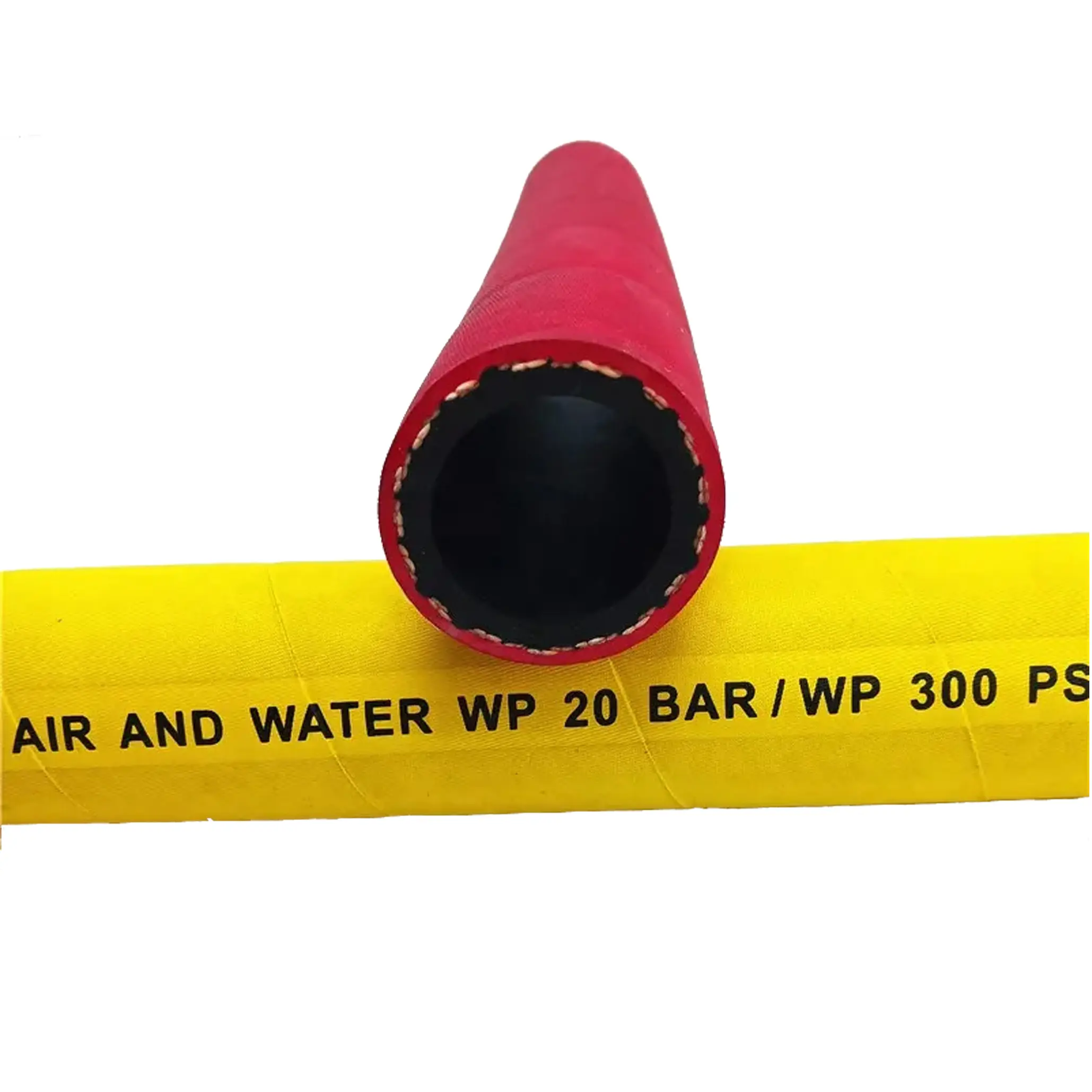
Hydraulic hoses are typically constructed from multiple layers designed to withstand high pressures, resist abrasion, and prevent fluid leakage. The inner tube, which directly contacts the hydraulic fluid, is commonly made from synthetic rubbers such as nitrile rubber (NBR), ethylene propylene diene monomer (EPDM), or fluorocarbon (FKM, Viton). NBR provides excellent resistance to petroleum-based hydraulic fluids but has limited temperature range. EPDM offers superior resistance to heat, ozone, and weathering, making it suitable for water-glycol based fluids. FKM provides the broadest chemical compatibility and temperature range but is the most expensive option. Reinforcement layers, crucial for pressure resistance, are generally comprised of high-tensile steel wire (single or multiple braids), spiral steel wire, or synthetic fiber textiles. The outer cover, providing abrasion and weather protection, is typically a synthetic rubber blend like chloroprene (Neoprene) or polyurethane.
Manufacturing processes vary depending on hose type. Braided hoses are created by intertwining high-strength steel wires around the inner tube using specialized braiding machines. Spiral hoses employ a single, continuously wound steel wire that forms a helical structure. The fitting attachment process is critical. Common methods include crimping, where the fitting is mechanically deformed around the hose using a hydraulic press, and swaging, involving a similar deformation process but utilizing a different tooling geometry. Parameter control during crimping is paramount, with precise pressure and die selection essential to prevent hose damage and ensure a leak-proof seal. The quality of the steel wire used in reinforcement significantly impacts hose burst pressure and fatigue life. Chinese manufacturers are increasingly adopting automated braiding and crimping systems to improve consistency and reduce production costs. Material traceability is a growing concern, with emphasis placed on verifying the chemical composition and mechanical properties of raw materials.
Performance & Engineering
The performance of hydraulic hoses and fittings is governed by several key engineering parameters. Burst pressure, defined as the pressure at which the hose ruptures, is a critical safety specification. Working pressure, typically 50-75% of burst pressure, represents the maximum continuous operating pressure. Impulse pressure, reflecting pressure spikes within the hydraulic system, is a significant factor in hose fatigue life. Hose bend radius is also crucial; exceeding the minimum bend radius can lead to kinking and premature failure. Fittings are subject to tensile and torsional loads, and their material selection and manufacturing process must ensure adequate strength and ductility.
Environmental resistance is a primary consideration. Exposure to temperature extremes, UV radiation, ozone, and corrosive chemicals can degrade hose materials. The choice of hose and fitting materials must be compatible with the hydraulic fluid being used. For example, phosphate ester fluids require specialized hose constructions. Compliance requirements, such as those stipulated by SAE (Society of Automotive Engineers) and EN (European Norms) standards, dictate testing procedures and performance criteria. Finite element analysis (FEA) is increasingly used to optimize hose and fitting designs and predict their behavior under various loading conditions. The selection of appropriate O-ring materials for fittings is vital to prevent leaks and ensure compatibility with the hydraulic fluid, with options like NBR, EPDM, and Viton commonly employed.
Technical Specifications
| Parameter | SAE J517 (100R1AT) | EN 853 1SN | DIN EN 856 4SP |
|---|---|---|---|
| Working Pressure (PSI) | 1000 | 150 | 210 |
| Burst Pressure (PSI) | 3000 | 450 | 630 |
| Temperature Range (°F) | -40 to 212 | -40 to 100 | -40 to 212 |
| Reinforcement | Single High-Tensile Steel Wire Braid | Single Steel Wire Braid | Spiral Steel Wire |
| Inner Tube | NBR | NBR | NBR |
| Outer Cover | Synthetic Rubber (CPE) | Synthetic Rubber | Synthetic Rubber (Polyurethane option) |
Failure Mode & Maintenance
Common failure modes for hydraulic hoses include burst failure due to exceeding pressure limits, kink failure resulting from excessive bending, abrasion failure caused by external damage, and fatigue cracking stemming from repeated pressure cycles. Fittings can fail due to thread stripping, corrosion, or material fatigue. Failure analysis often reveals root causes such as improper hose selection, inadequate maintenance, or manufacturing defects. Fatigue cracking is particularly insidious, often initiating at stress concentrators such as fitting crimps or hose imperfections. Delamination of reinforcement layers can lead to sudden hose rupture. Oxidation of the hose material can cause hardening and loss of flexibility.
Preventative maintenance is crucial. Regular visual inspections should be conducted to identify signs of damage such as abrasion, cracking, or swelling. Hose routing should be carefully planned to avoid sharp bends and contact with abrasive surfaces. Hydraulic fluid should be kept clean and free of contaminants. Hose assemblies should be replaced at scheduled intervals, even if no visible damage is present. Proper storage is also important; hoses should be stored in a cool, dry place away from direct sunlight. When replacing hoses, ensure compatibility with the hydraulic fluid and operating pressure. Correct torque specifications should be used when tightening fittings to prevent over-tightening or under-tightening. Regular monitoring of system pressure and temperature can help identify potential problems before they lead to failure.
Industry FAQ
Q: What is the difference between a 100R1AT and a 100R2AT hose?
A: A 100R2AT hose utilizes two steel wire braids, offering a significantly higher pressure rating and improved resistance to abrasion and impulse pressure compared to a 100R1AT hose, which has a single steel wire braid. The 100R2AT is preferred for demanding applications requiring enhanced durability and safety.
Q: How do I determine the correct hose size for my application?
A: Hose size is determined by the required flow rate and working pressure. A larger internal diameter reduces pressure drop, increasing flow. The hose must also be capable of withstanding the maximum system pressure with an adequate safety margin. Consult hydraulic system schematics and flow calculations to determine the appropriate hose size.
Q: What materials are compatible with phosphate ester hydraulic fluids?
A: Phosphate ester fluids are aggressive and require specialized hose and fitting materials. FKM (Viton) is typically the preferred inner tube and seal material due to its excellent chemical resistance. Avoid using NBR or EPDM with phosphate ester fluids, as they will degrade rapidly.
Q: What are the common causes of hose fitting leaks?
A: Common causes include improper crimping, damaged threads, incorrect O-ring selection, or contamination on sealing surfaces. Ensure the fitting is correctly crimped onto the hose, threads are clean and undamaged, the O-ring material is compatible with the fluid, and all surfaces are free of dirt and debris.
Q: How important is hose traceability and documentation?
A: Hose traceability is critically important for quality control and safety. Documentation should include material specifications, manufacturing dates, batch numbers, and pressure test results. This allows for quick identification of potential issues and facilitates effective recall procedures if necessary.
Conclusion
Hydraulic hoses and fittings are essential components in countless industrial applications, and the sourcing of these components from China requires a comprehensive understanding of material science, manufacturing processes, and performance characteristics. Maintaining stringent quality control, verifying material compatibility, and adhering to relevant international standards are vital to ensuring reliable and safe operation. The competitive landscape of Chinese suppliers necessitates diligent evaluation and a focus on long-term partnerships built on trust and technical expertise.
Future trends in hydraulic hose technology include the development of more durable materials, smarter hose assemblies with integrated sensors for condition monitoring, and increased adoption of environmentally friendly materials. Continuous improvement in manufacturing processes and a commitment to quality will be essential for Chinese manufacturers to maintain their position as a leading global supplier. The integration of Industry 4.0 principles, such as data analytics and predictive maintenance, will further enhance the performance and reliability of hydraulic systems.