
Apr . 01, 2024 17:55 Back to list
china high pressure washer hose suppliers Performance Analysis
Introduction
High-pressure washer hoses are critical components within the cleaning equipment industry, facilitating the delivery of high-velocity water for a diverse range of applications including automotive detailing, industrial cleaning, and residential maintenance. China has emerged as a significant global supplier of these hoses, offering a wide spectrum of products with varying performance characteristics and price points. These hoses are typically comprised of multiple layers designed to withstand extreme pressures, resist abrasion, and maintain flexibility. The performance of a high-pressure washer hose directly impacts the efficiency and safety of the entire system. A core industry pain point centers around balancing cost-effectiveness with long-term durability and compliance with international safety standards, particularly regarding burst pressure and material degradation. This guide provides an in-depth technical overview of high-pressure washer hoses sourced from China, covering material science, manufacturing processes, performance analysis, potential failure modes, and relevant industry standards.
Material Science & Manufacturing
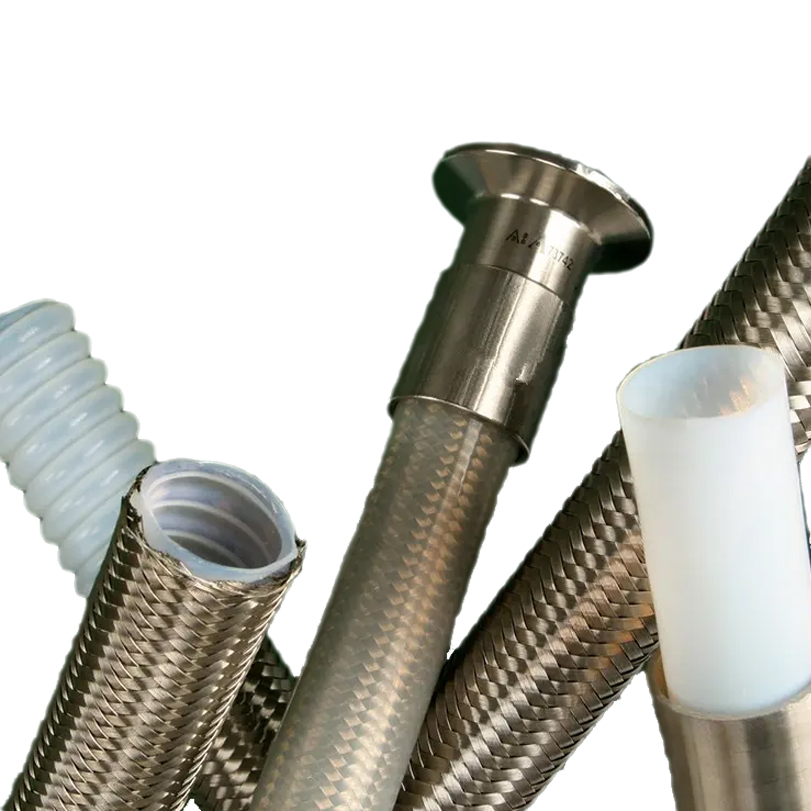
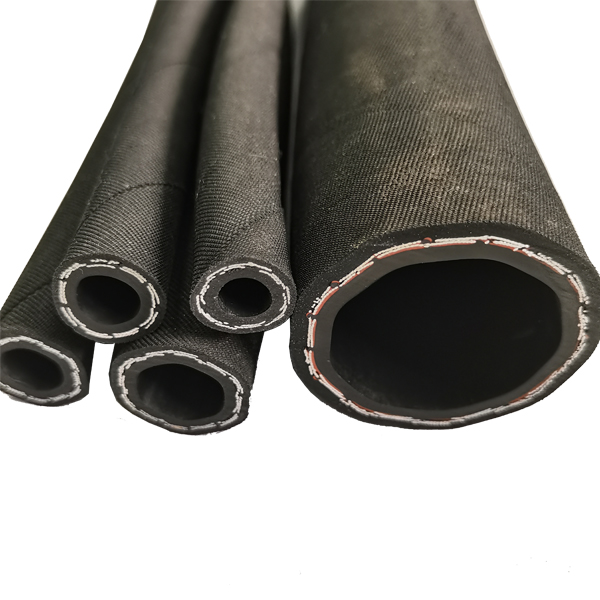
The construction of a high-pressure washer hose necessitates a careful selection of materials, each contributing to the hose’s overall performance and longevity. The inner tube, typically composed of a thermoplastic polyurethane (TPU) or a specialized rubber compound such as nitrile rubber (NBR), provides a fluid-tight barrier. TPU offers excellent abrasion resistance and flexibility, while NBR demonstrates superior oil resistance. The reinforcement layer, the critical component determining burst pressure, is usually constructed from high-tensile strength steel wire (often spiral wound) or synthetic fiber braids (e.g., polyester, aramid). Steel wire offers higher pressure ratings, but is heavier and less flexible. Aramid braids provide excellent strength-to-weight ratio and flexibility. The outer cover, commonly made from a blend of polyvinyl chloride (PVC) and rubber, protects the reinforcement layer from environmental factors like UV radiation, abrasion, and chemical exposure. Manufacturing processes involve extrusion of the inner tube, winding or braiding of the reinforcement layer, and extrusion of the outer cover. Critical parameter control includes maintaining consistent wall thickness of each layer, proper tension during reinforcement winding/braiding, and precise vulcanization temperatures for rubber components. Chinese manufacturers often utilize co-extrusion techniques to create multi-layered hoses with optimized properties. Quality control frequently employs hydrostatic pressure testing, impulse testing, and dimensional inspections to ensure adherence to specifications. Raw material sourcing and consistency are significant challenges for some suppliers, impacting final product quality.
Performance & Engineering
The performance of a high-pressure washer hose is governed by several key engineering parameters. Burst pressure, expressed in PSI or MPa, is the maximum pressure the hose can withstand before failure and is dictated primarily by the reinforcement layer's strength and construction. Working pressure, typically 50-70% of burst pressure, represents the safe operating pressure for sustained use. Tensile strength, a measure of the hose’s resistance to stretching, is critical for handling and deployment. Elongation at break indicates the hose’s ability to deform before fracture. Hose flexibility, determined by bend radius, influences ease of use and maneuverability. Environmental resistance is paramount, requiring evaluation of UV stability, ozone resistance, and chemical compatibility with common cleaning agents. Force analysis during operation considers hydrostatic pressure, dynamic pressure fluctuations (pressure spikes), and mechanical stresses induced by bending and twisting. Compliance requirements vary by region, with standards like SAE J517 dictating minimum performance criteria for hydraulic hoses (often applicable to high-pressure washer hoses). Finite element analysis (FEA) is increasingly utilized by Chinese manufacturers to optimize hose designs and predict performance under various loading conditions. A significant engineering challenge is mitigating the risk of hose kinking, which can restrict water flow and induce stress concentrations.
Technical Specifications
| Parameter | Unit | Typical Value (China Supplier - Standard Grade) | Typical Value (China Supplier - Premium Grade) |
|---|---|---|---|
| Burst Pressure | PSI | 4000 | 6000 |
| Working Pressure | PSI | 2800 | 4200 |
| Inner Diameter | inch | 0.25 | 0.375 |
| Outer Diameter | inch | 0.5 | 0.75 |
| Tensile Strength | MPa | 15 | 25 |
| Elongation at Break | % | 300 | 400 |
| Operating Temperature Range | °C | -10 to 60 | -40 to 100 |
Failure Mode & Maintenance
High-pressure washer hoses are susceptible to several failure modes. Fatigue cracking, caused by repeated pressure cycling, is a common issue, often initiating at areas of stress concentration (e.g., near fittings). Abrasion, due to contact with surfaces during operation, can wear through the outer cover and expose the reinforcement layer. Delamination, the separation of layers, reduces the hose’s structural integrity. Degradation of the rubber components due to UV exposure and ozone attack leads to embrittlement and cracking. Kinking, as previously mentioned, induces localized stresses and can cause permanent deformation. Hydrolytic degradation, caused by prolonged exposure to hot water, can weaken the inner tube. Failure analysis typically involves visual inspection, microscopic examination of fracture surfaces, and chemical analysis of the materials. Maintenance recommendations include regular visual inspections for signs of wear or damage, proper storage (avoiding direct sunlight and extreme temperatures), and flushing the hose to remove debris. Fittings should be securely tightened and inspected for corrosion. Avoid exceeding the working pressure limit. Implementing a preventative maintenance schedule and replacing hoses proactively based on usage and environmental exposure can significantly extend their service life. Chinese manufacturers are increasingly offering hoses with enhanced UV stabilizers and abrasion-resistant outer covers to address these common failure modes.
Industry FAQ
Q: What is the significance of the steel wire spiral construction versus a braided reinforcement layer in high-pressure washer hoses?
A: Steel wire spiral construction typically provides a higher burst pressure rating compared to braided reinforcement. However, it results in a less flexible hose. Braided reinforcement (using materials like aramid) offers a better balance between strength and flexibility, making it suitable for applications requiring maneuverability. The choice depends on the specific pressure requirements and operational constraints of the pressure washer.
Q: How do Chinese suppliers ensure consistent quality control regarding burst pressure specifications?
A: Reputable Chinese suppliers employ hydrostatic pressure testing on 100% of their hoses. This involves pressurizing each hose to a level significantly exceeding its working pressure (typically 1.5 times) and holding it for a specified duration to detect leaks or failures. They also utilize statistical process control (SPC) to monitor key manufacturing parameters and ensure consistency.
Q: What is the expected lifespan of a high-pressure washer hose under typical residential use?
A: Under typical residential use (e.g., weekly cleaning), a high-quality high-pressure washer hose should last between 3 to 5 years. However, lifespan can be significantly reduced by improper storage, exposure to extreme temperatures, and exceeding the working pressure limits. Regular inspection and maintenance are crucial.
Q: Are there specific chemical resistances that should be considered when selecting a hose for particular cleaning applications?
A: Yes. If the hose will be used with harsh chemicals (e.g., degreasers, detergents), it's essential to choose a hose with a compatible inner tube material. NBR offers good resistance to oils and fuels, while TPU generally provides broader chemical resistance. Always consult a chemical compatibility chart before use.
Q: What international standards are typically relevant to high-pressure washer hose manufacturing?
A: Relevant standards include SAE J517 (hydraulic hose performance), EN 856 (hydraulic hose), ISO 6898 (hydraulic hose), and GB/T 36967 (rubber hoses for high-pressure cleaning machines - a Chinese national standard). Conformance to these standards ensures a minimum level of safety and performance.
Conclusion
China’s role as a major supplier of high-pressure washer hoses necessitates a thorough understanding of the materials, manufacturing processes, and performance characteristics inherent in these products. Achieving optimal performance and longevity requires careful consideration of burst pressure, working pressure, environmental resistance, and potential failure modes. Selecting a supplier capable of consistently meeting international standards and providing robust quality control measures is paramount for ensuring both safety and cost-effectiveness.
The increasing adoption of advanced engineering techniques like FEA and the development of enhanced materials (e.g., improved TPU formulations, higher-strength aramid braids) by Chinese manufacturers point towards continued improvements in hose quality and durability. Proactive maintenance, adherence to recommended operating procedures, and a commitment to sourcing from reputable suppliers will remain critical factors in maximizing the service life and reliability of high-pressure washer hoses.