
Apr . 01, 2024 17:55 Back to list
china high pressure washer hose manufacturers Performance Analysis
Introduction
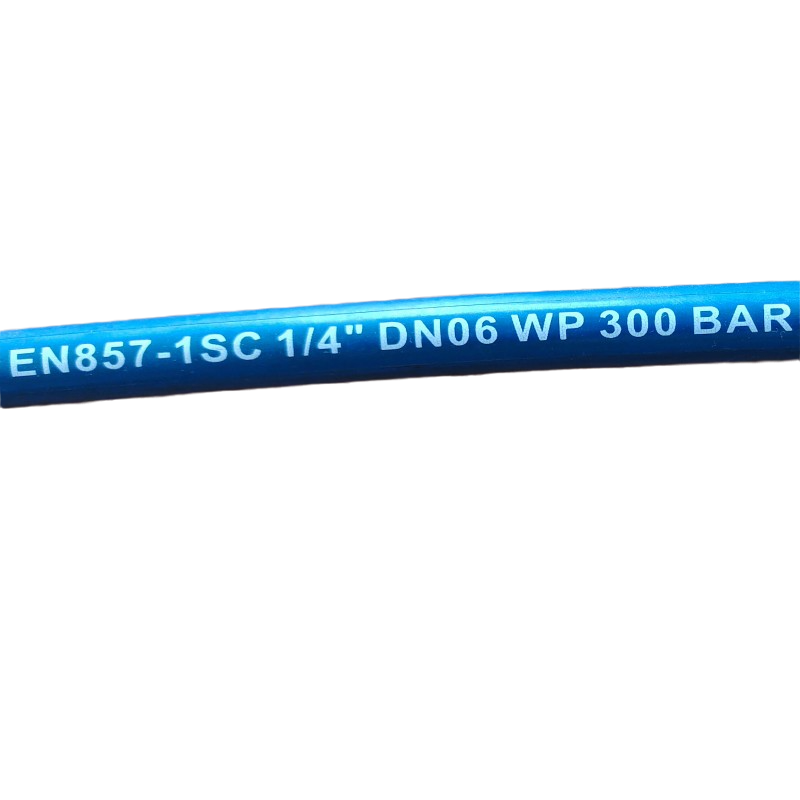
High-pressure washer hoses, manufactured extensively in China, represent a critical component within the broader cleaning equipment industry. These hoses facilitate the transmission of highly pressurized fluid – typically water, but potentially including detergents or other cleaning agents – from the pump to the spray nozzle. Their technical position is fundamentally linked to the performance, safety, and longevity of the entire pressure washing system. Core performance characteristics, including burst pressure, working pressure, temperature resistance, and abrasion resistance, directly dictate the applications for which a specific hose is suitable. The Chinese manufacturing base has become dominant due to a confluence of factors including competitive labor costs, established polymer and textile infrastructure, and increasingly sophisticated quality control procedures. However, significant variance exists in quality, highlighting the necessity for rigorous specification and sourcing practices. This guide provides an in-depth analysis of these hoses, covering material science, manufacturing processes, performance parameters, failure modes, and relevant industry standards. A key pain point for procurement managers is ensuring consistent quality and adherence to international safety standards, given the wide range of suppliers and potential for substandard materials.
Material Science & Manufacturing
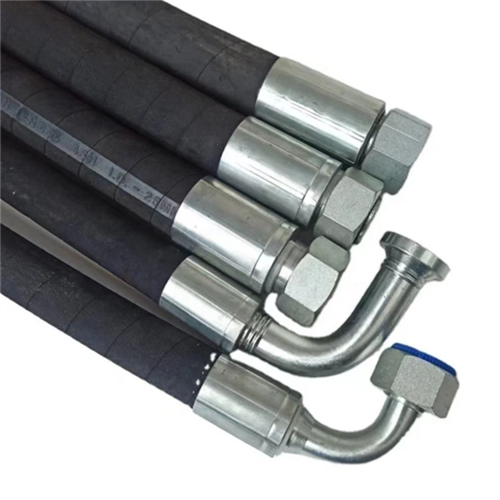
The construction of a high-pressure washer hose typically involves multiple layers, each contributing to its overall performance. The inner tube, commonly composed of a thermoplastic elastomer (TPE) like thermoplastic polyurethane (TPU) or a synthetic rubber such as nitrile rubber (NBR) or styrene-butadiene rubber (SBR), provides a fluid-resistant barrier. NBR offers excellent oil resistance but limited temperature range, while TPU exhibits broader temperature tolerance and good abrasion resistance. The reinforcement layer, crucial for withstanding high pressure, is commonly a high-tensile strength braided textile – polyester, nylon, or aramid fibers are prevalent. Aramid (Kevlar) provides the highest tensile strength and temperature resistance, but at a higher cost. The outer cover, usually a PVC or thermoplastic elastomer, provides abrasion resistance, UV protection, and a degree of flexibility. Manufacturing processes begin with extrusion of the inner tube and outer cover. The braided reinforcement is applied using a specialized braiding machine, ensuring consistent coverage and angle. Critical parameters during braiding include yarn tension, braid angle (typically 55-75 degrees), and braid density (ends per inch). Post-braiding, the hose undergoes curing – a process involving heat and pressure to vulcanize the rubber components and ensure dimensional stability. Quality control is paramount, with hydrostatic pressure testing to verify burst strength and impulse testing to evaluate resistance to pressure pulsations. Material compatibility is critical; incompatible materials can lead to swelling, degradation, and ultimately, failure. Chemical resistance charts must be consulted when selecting a hose for specific cleaning applications.
Performance & Engineering
The performance of a high-pressure washer hose is fundamentally governed by its ability to withstand internal pressure without rupture or deformation. Force analysis considers the hoop stress within the hose wall, calculated using the Barlow formula (σ = PD/2t, where σ is hoop stress, P is internal pressure, D is inner diameter, and t is wall thickness). Environmental resistance is crucial; prolonged exposure to UV radiation, ozone, and extreme temperatures can degrade the rubber components, reducing flexibility and increasing the risk of cracking. Temperature resistance is typically specified as a range (e.g., -40°C to +80°C), and exceeding these limits can significantly reduce hose lifespan. Compliance requirements vary by region, with stringent regulations governing pressure washer safety in Europe (EN 60335-2-79) and North America (UL 1099). Functional implementation requires careful consideration of hose length and diameter, as these parameters impact flow rate and pressure drop. A longer hose will exhibit greater pressure loss due to frictional resistance. The minimum bend radius is also a critical parameter, as exceeding this radius can induce stress concentrations and premature failure. Impulse testing simulates the pulsating pressure generated by the pump, revealing potential weaknesses in the hose construction. Fatigue life, the number of pressure cycles a hose can withstand before failure, is a key performance indicator.
Technical Specifications
| Parameter | Typical Value (Commercial Grade) | Typical Value (Industrial Grade) | Typical Value (Professional Grade) |
|---|---|---|---|
| Working Pressure (MPa) | 15 | 20 | 25 |
| Burst Pressure (MPa) | 45 | 60 | 75 |
| Inner Diameter (mm) | 8 | 10 | 12 |
| Outer Diameter (mm) | 14 | 18 | 22 |
| Temperature Range (°C) | -10 to 60 | -20 to 80 | -40 to 100 |
| Reinforcement Material | Polyester Braid | Nylon Braid | Aramid Braid |
Failure Mode & Maintenance
High-pressure washer hoses are susceptible to several failure modes. Fatigue cracking, caused by repeated pressure cycles, often initiates at braid terminations or areas of stress concentration. Delamination, the separation of layers, can occur due to inadequate bonding between the inner tube, reinforcement, and outer cover. Degradation of the rubber components, resulting from UV exposure, ozone attack, or chemical incompatibility, leads to hardening, cracking, and loss of flexibility. Oxidation can also contribute to material breakdown. Abrasion, particularly in demanding applications, can wear through the outer cover, exposing the reinforcement layer. Kinking or twisting the hose can induce localized stress and lead to rupture. Maintenance is crucial for maximizing hose lifespan. Regular visual inspection for cracks, bulges, or signs of degradation is essential. After each use, the hose should be fully uncoiled and stored in a dry, shaded location. Avoid sharp bends and kinks. Flush the hose with clean water after use to remove any residual chemicals. Replace the hose immediately if any signs of damage are detected. Do not exceed the specified working pressure or temperature limits. Implementing a preventative maintenance schedule based on usage frequency and environmental conditions is recommended. Failure analysis should be conducted on any hoses that fail prematurely to identify the root cause and prevent recurrence.
Industry FAQ
Q: What is the significance of the burst pressure rating compared to the working pressure rating?
A: The working pressure rating indicates the maximum continuous pressure the hose can safely handle during normal operation. The burst pressure rating, typically three to four times the working pressure, represents the pressure at which the hose will rupture. While the working pressure is for daily use, the burst pressure is a safety margin and a critical benchmark for quality control. A higher burst pressure generally indicates a more robust hose construction and greater safety.
Q: How does the reinforcement material impact hose performance and cost?
A: The reinforcement material is a primary determinant of hose strength and durability. Polyester braid is the most economical option, suitable for light-duty applications. Nylon braid offers improved tensile strength and is a common choice for commercial-grade hoses. Aramid (Kevlar) braid provides the highest strength and temperature resistance, making it ideal for demanding industrial applications, but it comes at a significantly higher cost.
Q: What are the key considerations when selecting a hose for use with hot water?
A: When using a hose with hot water, the temperature range of the inner tube material is paramount. NBR and SBR have limited temperature resistance and are not suitable for high-temperature applications. TPU and EPDM (ethylene propylene diene monomer) rubber offer superior temperature resistance. The reinforcement material should also be compatible with high temperatures. Furthermore, consider the potential for thermal expansion and contraction, which can induce stress within the hose.
Q: How can I identify a hose that meets relevant safety standards (e.g., EN 60335-2-79)?
A: Look for hoses that are explicitly certified to meet relevant safety standards. Manufacturers should provide documentation demonstrating compliance, such as test reports and certifications from accredited testing laboratories. Check for markings on the hose itself indicating compliance with the standard. Be wary of suppliers who cannot provide verifiable documentation.
Q: What is the typical lifespan of a high-pressure washer hose, and what factors influence it?
A: The lifespan of a high-pressure washer hose varies depending on usage frequency, operating conditions, and maintenance practices. A typical lifespan ranges from 1 to 5 years. Factors that significantly influence lifespan include exposure to UV radiation, ozone, chemicals, abrasion, temperature extremes, and pressure pulsations. Regular inspection and proper storage can significantly extend hose life.
Conclusion
China’s dominance in high-pressure washer hose manufacturing presents both opportunities and challenges. While cost-effectiveness is a major advantage, ensuring consistent quality and adherence to international safety standards remains a critical concern for procurement professionals. Understanding the material science, manufacturing processes, and performance characteristics of these hoses is paramount for selecting the appropriate product for a given application.
A thorough evaluation of technical specifications, including working pressure, burst pressure, temperature range, and reinforcement material, is essential. Proactive maintenance practices, including regular inspection and proper storage, can significantly extend hose lifespan and reduce the risk of premature failure. Continued advancements in polymer technology and manufacturing techniques will likely drive further improvements in hose performance and durability.