
Apr . 01, 2024 17:55 Back to list
china high pressure thermoplastic hose manufacturer Performance Analysis

Introduction
High-pressure thermoplastic hose represents a critical component in fluid conveyance systems across diverse industries, including oil and gas, chemical processing, agriculture, and automotive applications. These hoses are engineered to withstand elevated pressures and temperatures, and often aggressive chemical environments. China has emerged as a leading global manufacturer of these hoses, offering a wide range of configurations and materials to meet stringent international standards. This guide provides a comprehensive technical overview of these hoses, focusing on material science, manufacturing processes, performance characteristics, failure modes, and relevant industry standards. A key industry pain point is ensuring consistent quality and adherence to demanding specifications, particularly regarding burst pressure, fatigue life, and chemical resistance. This is coupled with the need for cost-effectiveness and reliable supply chains, which Chinese manufacturers are increasingly addressing through advanced production techniques and quality control systems. The core performance metric revolves around the hose’s ability to safely and reliably transmit fluids under demanding conditions over extended service life, minimizing downtime and operational hazards.
Material Science & Manufacturing
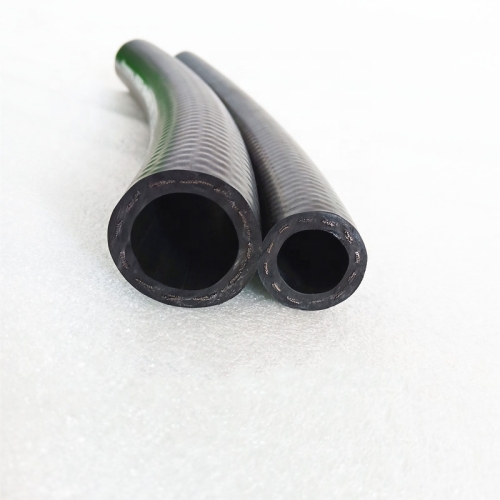
The core material for high-pressure thermoplastic hoses is typically a polymer selected for its chemical compatibility, temperature resistance, and mechanical strength. Common polymers include Polyamide (Nylon 6, Nylon 11), Polyurethane, and Polyethylene. Nylon 6 offers a balance of properties and cost, while Nylon 11 provides superior chemical resistance and flexibility, albeit at a higher price point. Polyurethanes excel in abrasion resistance and flexibility. These polymers are often reinforced with high-tensile strength fibers, such as aramid (Kevlar), steel wire, or polyester, to enhance burst pressure and prevent elongation. The manufacturing process generally involves several stages: Extrusion: The thermoplastic material is melted and extruded through a die to form the inner liner and outer cover. Precise temperature control during extrusion is crucial to ensure uniform wall thickness and prevent degradation of the polymer. Reinforcement Layer Winding: The reinforcing fibers are wound onto the extruded inner liner under tension. The angle and tension of the winding are critical parameters that directly impact the hose's burst pressure and flexibility. Outer Cover Extrusion: A protective outer cover is extruded over the reinforcement layer. This cover provides resistance to abrasion, UV degradation, and environmental factors. Curing & Quality Control: The hose is then cured to stabilize the polymer structure and ensure optimal performance. Rigorous quality control checks, including burst pressure testing, impulse testing, and dimensional inspection, are performed at each stage of the manufacturing process. The chemical compatibility of the polymer with the intended fluid must be carefully considered. For example, Nylon 6 is not recommended for use with strong acids or bases, whereas PTFE lined hoses offer excellent chemical resistance but are significantly more expensive.
Performance & Engineering
The performance of a high-pressure thermoplastic hose is dictated by several key engineering parameters. Burst Pressure: This is the maximum pressure the hose can withstand before failure. It’s determined by the polymer’s tensile strength, the reinforcement layer’s strength and configuration, and the hose’s geometry. Engineering calculations involving hoop stress and longitudinal stress are vital. Working Pressure: This is the maximum recommended operating pressure, typically a fraction (e.g., 1/4 or 1/3) of the burst pressure, to provide a safety margin. Fatigue Life: Repeated pressure cycling can lead to fatigue failure. Impulse testing simulates these cycles to assess the hose's long-term durability. Understanding S-N curves (stress vs. number of cycles to failure) is essential. Chemical Resistance: The hose must be resistant to degradation from the fluid being conveyed. This requires selecting a polymer with appropriate chemical compatibility. Temperature Range: The hose must maintain its mechanical properties within the expected operating temperature range. Polymers exhibit temperature-dependent behavior, with reduced strength and increased flexibility at elevated temperatures. Environmental Resistance: Exposure to UV radiation, ozone, and other environmental factors can cause degradation. The outer cover material must provide adequate protection. Compliance requirements vary depending on the application and region. For example, hoses used in hydraulic systems must meet ISO 6897 standards, while those used in automotive applications may need to comply with SAE J30R9. Force analysis involves calculations related to internal pressure, tensile forces in the reinforcement layers, and bending stresses during installation and operation. Proper installation practices, including avoiding sharp bends and ensuring adequate support, are crucial to prevent premature failure.
Technical Specifications
| Parameter | Nylon 6, Single Braid | Nylon 11, Double Braid | Polyurethane, Steel Wire Spiral |
|---|---|---|---|
| Working Pressure (bar) | 250 | 400 | 350 |
| Burst Pressure (bar) | 750 | 1200 | 1050 |
| Temperature Range (°C) | -40 to +85 | -40 to +100 | -40 to +120 |
| Inner Diameter (mm) | 6 – 50 | 6 – 50 | 4 – 100 |
| Outer Diameter (mm) | 10 – 60 | 12 – 65 | 12 – 120 |
| Reinforcement | High-Tensile Polyester Braid | High-Tensile Aramid Braid | High-Tensile Steel Wire Spiral |
Failure Mode & Maintenance
High-pressure thermoplastic hoses are susceptible to several failure modes. Burst Failure: The most catastrophic failure, typically caused by exceeding the working pressure or a sudden pressure surge. Often initiated by a weakness in the polymer or reinforcement layer. Fatigue Cracking: Repeated pressure cycling can lead to crack initiation and propagation in the polymer or reinforcement. This is often identified visually as small cracks on the outer cover. Delamination: Separation of the polymer layers or between the polymer and the reinforcement layer. This reduces the hose's strength and can lead to burst failure. Kinking/Bending: Excessive bending can cause localized stress concentrations and eventual failure, particularly if the hose is not adequately supported. Chemical Attack: Exposure to incompatible chemicals can cause swelling, degradation, and loss of mechanical properties. Abrasion: Wear and tear on the outer cover due to rubbing against abrasive surfaces. Maintenance: Regular visual inspections are crucial to identify signs of damage, such as cracks, bulges, or leaks. Hoses should be replaced if any signs of damage are detected. Avoid sharp bends and excessive twisting during installation and operation. Ensure that the hose is properly supported to prevent kinking and abrasion. Store hoses in a cool, dry place away from direct sunlight and chemicals. A preventative maintenance schedule including pressure testing and visual inspection should be implemented. Documenting hose usage (fluid type, pressure, temperature) aids in predicting lifespan and identifying potential problems.
Industry FAQ
Q: What is the impact of temperature on the working pressure of a thermoplastic hose?
A: The working pressure of a thermoplastic hose decreases as temperature increases. Polymers lose strength and flexibility at elevated temperatures, reducing their ability to withstand pressure. The manufacturer’s specifications will provide derating factors for different temperatures, indicating the allowable working pressure at each temperature. Operating above the specified temperature can significantly reduce the hose's lifespan and increase the risk of failure.
Q: How does the reinforcement material affect the hose's performance?
A: The reinforcement material significantly impacts the hose's burst pressure, flexibility, and fatigue life. Steel wire reinforcement provides the highest burst pressure but is less flexible. Aramid fiber reinforcement offers a good balance of strength and flexibility, while polyester provides a cost-effective solution for lower-pressure applications. The winding angle and tension of the reinforcement layer also play a critical role in performance.
Q: What are the key considerations when selecting a hose for a specific chemical application?
A: The chemical compatibility of the hose material with the fluid being conveyed is paramount. Consult a chemical resistance chart to determine the appropriate polymer. Consider the concentration and temperature of the chemical, as these factors can affect the rate of degradation. If the chemical is unknown, a compatibility test should be performed before using the hose.
Q: How can I identify potential fatigue failure in a thermoplastic hose?
A: Regular visual inspections are essential. Look for small cracks on the outer cover, particularly near the fittings or areas subjected to bending. Listen for unusual noises during operation, which may indicate internal damage. Implement a preventative maintenance schedule that includes periodic pressure testing to monitor the hose's condition.
Q: What are the advantages of using a thermoplastic hose over a rubber hose in high-pressure applications?
A: Thermoplastic hoses generally offer better chemical resistance, lower permeability, and more consistent dimensions compared to rubber hoses. They are also less susceptible to degradation from ozone and UV radiation. While rubber hoses may offer slightly better flexibility in some cases, thermoplastic hoses provide superior performance and reliability in demanding high-pressure applications.
Conclusion
High-pressure thermoplastic hoses are indispensable components in a broad spectrum of industrial applications. Their performance is fundamentally governed by the interplay between material selection, manufacturing precision, and adherence to rigorous engineering principles. Chinese manufacturers have established themselves as key players in this market by providing a diverse portfolio of hoses capable of meeting demanding international standards. Understanding the critical failure modes and implementing proactive maintenance strategies are essential for ensuring safe and reliable operation.
Looking ahead, ongoing advancements in polymer science and manufacturing techniques will continue to drive improvements in the performance and durability of these hoses. Specifically, the development of new reinforcement materials and advanced extrusion processes will lead to hoses with even higher burst pressures, improved fatigue resistance, and enhanced chemical compatibility. Furthermore, increased emphasis on sustainable materials and environmentally friendly manufacturing practices will become increasingly important as the industry strives to minimize its environmental impact.