
Apr . 01, 2024 17:55 Back to list
china high pressure thermoplastic hose factories Performance Analysis
Introduction
High pressure thermoplastic hose represents a critical component in numerous industrial fluid transfer applications, experiencing significant growth in manufacturing and export, particularly from China. These hoses are engineered to convey fluids – including water, oil, chemicals, and gases – under extreme pressure and varying temperatures. Unlike traditional rubber hoses, thermoplastic construction offers superior resistance to abrasion, chemical attack, and elevated temperatures, leading to extended service life and reduced maintenance. This guide provides an in-depth examination of these hoses, covering material science, manufacturing processes, performance characteristics, failure modes, and relevant industry standards. The core pain point addressed by advancements in these hoses is ensuring consistent performance and safety across diverse, demanding applications, while simultaneously reducing overall lifecycle costs. Chinese manufacturing capabilities have rapidly advanced to meet these demands, offering both competitive pricing and increasing quality control, though understanding the nuances of material selection and manufacturing parameters remains crucial for end-users.
Material Science & Manufacturing
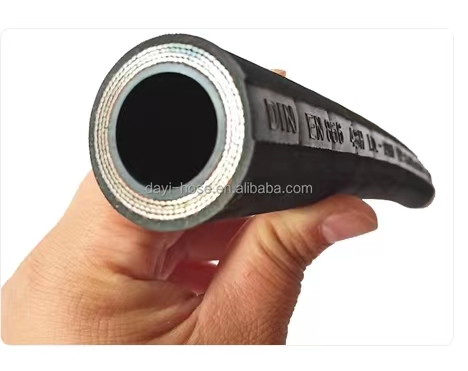
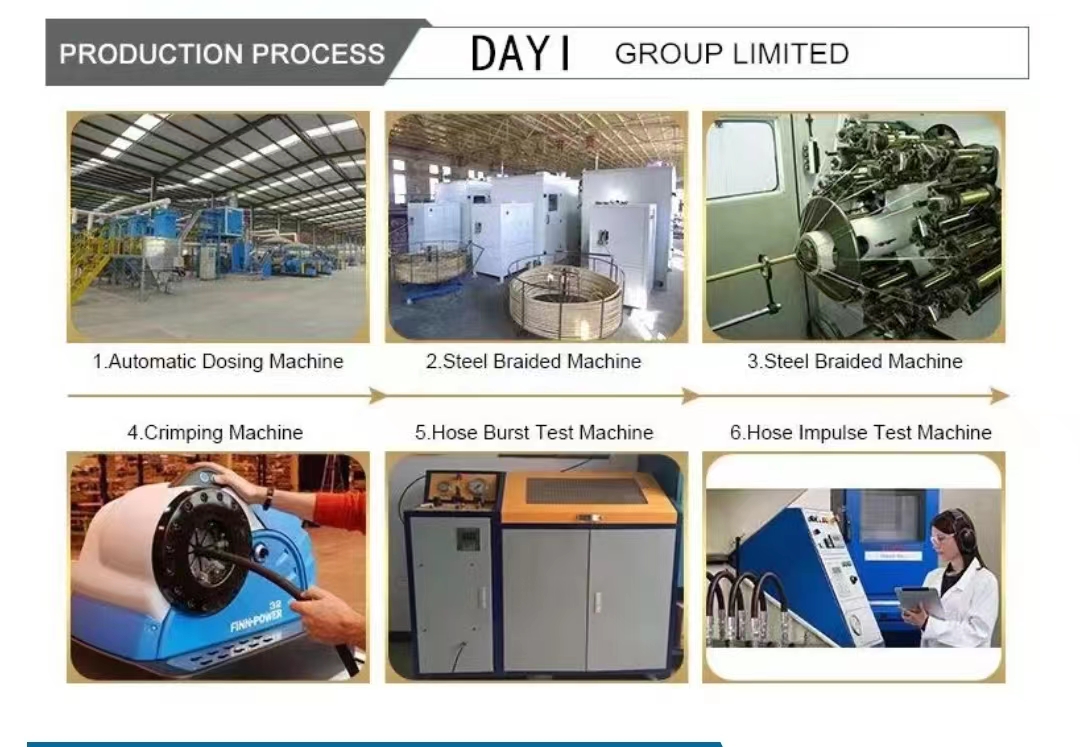
The fundamental material of high-pressure thermoplastic hose is a polymer selected for its inherent strength, flexibility, and chemical compatibility. Common polymers include Polyamide (Nylon 6, Nylon 66, Nylon 11, Nylon 12), Polyurethane (PU), Polypropylene (PP), and Polyethylene (PE). Nylon 6 and 66 are frequently used for general purpose applications due to their balance of cost and performance. Nylon 11 and 12 offer enhanced flexibility and low-temperature performance. Polyurethane excels in applications requiring high abrasion resistance and oil resistance. The reinforcement layer is critical. Typically, high-tensile strength textile braiding (polyester, aramid fibers, or rayon) or a spiral-wound steel wire is employed. The braiding provides burst pressure resistance and prevents kinking. Steel wire offers significantly higher pressure capabilities, particularly in hydraulic applications. Manufacturing begins with polymer extrusion. The selected polymer is melted and forced through a die to form the inner and outer layers of the hose. Precise temperature control is paramount, as deviations impact polymer crystallinity, and thus, mechanical properties. The reinforcement layer is then applied, often through a continuous braiding process. Adhesion between the polymer layers and the reinforcement is ensured via chemical bonding or mechanical interlock. A final outer cover, often a thermoplastic elastomer (TPE) or PVC, is extruded for abrasion resistance and environmental protection. Key parameter control includes maintaining consistent polymer melt temperature, braiding tension, and layer adhesion. Post-extrusion, hoses undergo pressure testing to verify integrity and compliance with specifications. The quality of the raw materials—specifically, the polymer grade and reinforcement fiber tensile strength—directly impacts the final product performance.
Performance & Engineering
The performance of high-pressure thermoplastic hose is dictated by a complex interplay of material properties and engineering design. Burst pressure, working pressure, and temperature rating are primary performance characteristics. Burst pressure is the pressure at which the hose fails catastrophically, while working pressure is a fraction of the burst pressure, typically with a 4:1 safety factor. Temperature rating defines the acceptable operating temperature range, impacting polymer flexibility and strength. Force analysis is crucial. Hoop stress, the stress acting circumferentially within the hose wall, increases with internal pressure. Reinforcement layers are engineered to withstand this stress, preventing hose rupture. Environmental resistance is another vital consideration. Exposure to UV radiation, ozone, and chemicals can degrade the polymer, reducing its lifespan. Specific polymers are selected to withstand these conditions. Chemical compatibility charts are used to ensure the hose material is inert to the conveyed fluid, preventing swelling, cracking, or leaching. Compliance requirements vary by industry and region. Hydraulic hoses must meet SAE J517 standards, while food-grade hoses require FDA compliance. Flexibility is also critical, particularly in applications involving tight bends. Polymer selection and hose wall thickness influence flexibility. Kink resistance is enhanced by incorporating spiral-wound reinforcement. Fatigue resistance—the ability to withstand repeated pressure cycles—is crucial in pulsating flow applications. This is influenced by the material’s hysteresis and the hose’s design.
Technical Specifications
| Parameter | Nylon 6 | Nylon 66 | Polyurethane | Polypropylene |
|---|---|---|---|---|
| Working Pressure (PSI) | 300-500 | 500-800 | 400-600 | 200-400 |
| Burst Pressure (PSI) | 1200-2000 | 2000-3200 | 1600-2400 | 800-1600 |
| Temperature Range (°F) | -40 to 176 | -40 to 212 | -40 to 176 | 32 to 176 |
| Tensile Strength (PSI) | 8000-10000 | 10000-12000 | 6000-8000 | 4000-6000 |
| Elongation at Break (%) | 200-300 | 150-250 | 300-500 | 100-200 |
| Chemical Resistance | Good (Oils, Fuels) | Excellent (Oils, Fuels) | Excellent (Oils, Abrasion) | Fair (Limited Chemical Resistance) |
Failure Mode & Maintenance
High-pressure thermoplastic hoses are susceptible to various failure modes. Fatigue cracking, initiated by repeated pressure cycling, occurs primarily at fittings or areas of high stress concentration. Delamination, the separation of polymer layers, can result from poor adhesion during manufacturing or exposure to harsh chemicals. Hydrolytic degradation, particularly in nylon hoses, occurs when exposed to prolonged moisture, weakening the polymer structure. Oxidation, caused by exposure to oxygen and elevated temperatures, leads to embrittlement and cracking. Abrasion damage results from external contact with abrasive surfaces. Failure analysis involves visual inspection for cracks, bulges, or discoloration. Pressure testing can identify leaks. Microscopic examination of fractured surfaces reveals the mode of failure. Preventative maintenance is crucial. Regular visual inspections should be conducted to identify signs of damage. Hoses should be replaced at recommended intervals, based on application severity and operating conditions. Proper storage is essential. Hoses should be stored in a cool, dry place, away from direct sunlight and ozone sources. Avoid sharp bends and kinks during installation. Ensure fittings are properly torqued to prevent leaks and stress concentration. When handling chemicals, verify the hose material’s compatibility with the conveyed fluid. For steel wire reinforced hoses, inspect for signs of corrosion. A preventative maintenance program can significantly extend hose lifespan and prevent costly downtime.
Industry FAQ
Q: What is the primary difference between nylon 6 and nylon 66 in high-pressure hose applications?
A: While both are commonly used, nylon 66 generally exhibits higher tensile strength and superior resistance to abrasion and chemicals, particularly oils and fuels, compared to nylon 6. However, nylon 6 is typically more flexible and has better impact resistance, making it suitable for applications where flexibility is paramount. Nylon 6 also tends to be more cost-effective.
Q: How does the reinforcement layer impact the burst pressure of a thermoplastic hose?
A: The reinforcement layer bears the majority of the hoop stress generated by internal pressure. A higher tensile strength reinforcement material (e.g., aramid fiber vs. polyester) and a denser braid structure directly translate to a higher burst pressure rating. Spiral-wound steel wire reinforcement provides the highest pressure capabilities.
Q: What are the key considerations when selecting a hose for conveying corrosive chemicals?
A: Chemical compatibility is paramount. Refer to chemical resistance charts to ensure the hose material (polymer) is inert to the specific chemical being conveyed. Consider the concentration, temperature, and duration of exposure. Often, specialized polymers like PTFE or FEP are required for highly corrosive environments.
Q: What is the impact of temperature on the performance of thermoplastic hoses?
A: Elevated temperatures generally reduce the tensile strength and flexibility of polymers. Exceeding the hose’s maximum temperature rating can lead to premature failure. Low temperatures can increase brittleness, making the hose more susceptible to cracking. It is vital to select a hose with a temperature rating suitable for the operating environment.
Q: What are the typical failure modes associated with prolonged UV exposure?
A: Prolonged exposure to ultraviolet (UV) radiation causes polymer degradation, leading to cracking, discoloration, and loss of mechanical properties. The outer cover material is particularly vulnerable. UV stabilizers can be added to the polymer formulation to mitigate this effect, but ultimately, shielding the hose from direct sunlight is the most effective preventative measure.
Conclusion
High-pressure thermoplastic hoses represent a versatile and reliable solution for a wide range of fluid transfer applications. Their superior chemical resistance, abrasion resistance, and temperature capabilities, coupled with advancements in manufacturing techniques, have made them increasingly prevalent in diverse industries. Proper material selection, careful consideration of operating conditions, and adherence to preventative maintenance practices are critical for maximizing hose lifespan and ensuring operational safety.
Looking forward, continued innovation in polymer science and reinforcement technologies will further enhance the performance and durability of these hoses. The demand for lighter, more flexible, and chemically resistant hoses will drive the development of new materials and designs, while advancements in non-destructive testing methods will improve quality control and failure prediction. China’s role as a major manufacturing hub will continue to evolve, with increased focus on quality assurance and customization to meet the specific needs of global customers.