
Apr . 01, 2024 17:55 Back to list
china high pressure rubber hose manufacturer Performance Analysis
Introduction
High-pressure rubber hoses manufactured in China are critical components in a wide range of industrial applications, including hydraulic systems, oil and gas exploration, chemical processing, and heavy machinery operation. These hoses are engineered to reliably convey fluids under extreme pressures and often harsh environmental conditions. Their technical position in the industry chain lies between raw material suppliers (rubber compounds, reinforcement materials) and end-user industries requiring fluid transfer solutions. Core performance characteristics center on burst pressure, working pressure, impulse resistance, and chemical compatibility. A significant industry pain point revolves around consistently achieving and verifying the rated pressure capabilities, compounded by concerns over material degradation and long-term reliability, particularly given the wide variance in quality control standards among Chinese manufacturers. The market is driven by demand for cost-effective solutions without compromising safety and operational efficiency, leading to intense competition and a need for rigorous testing and adherence to international standards. This guide provides an in-depth technical overview of these hoses, focusing on material science, manufacturing processes, performance parameters, failure modes, and relevant industry standards.
Material Science & Manufacturing
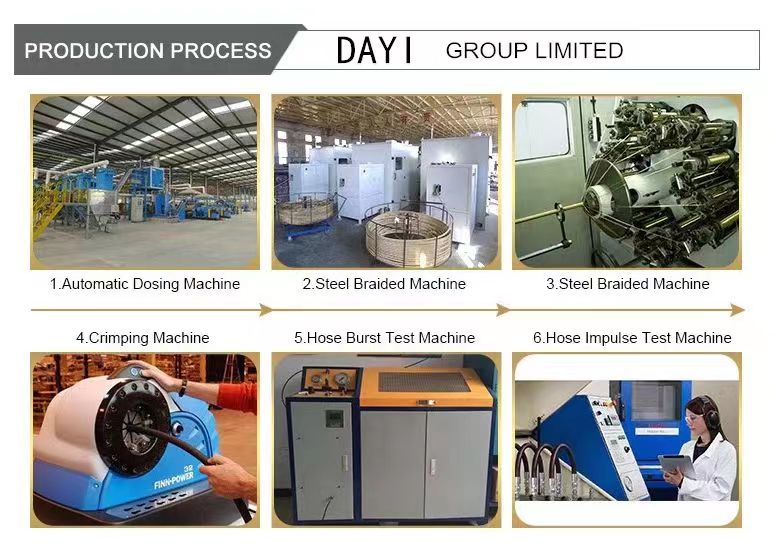
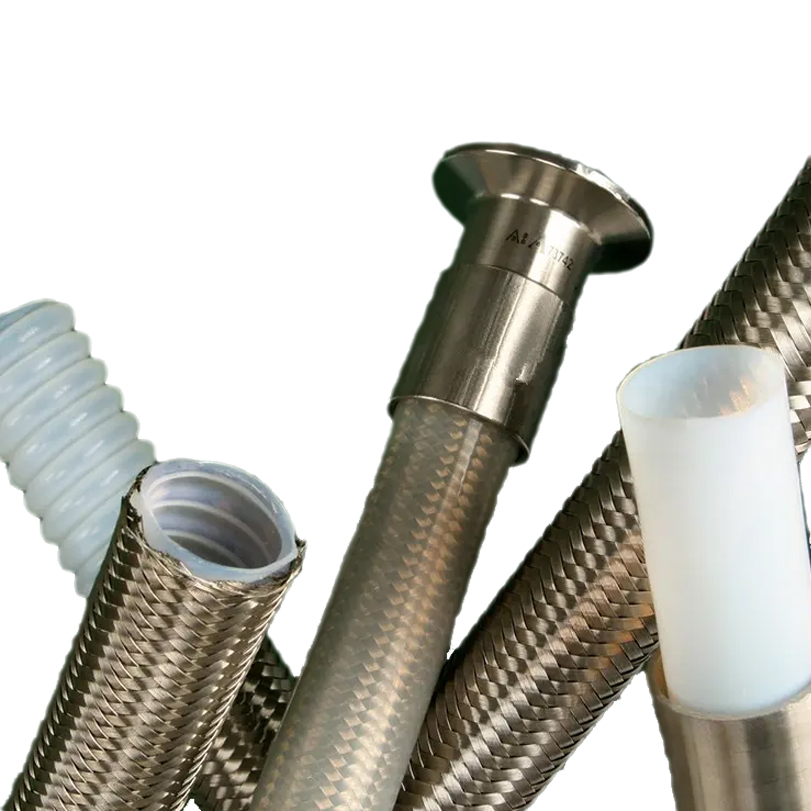
The core material of a high-pressure rubber hose is a synthetic rubber compound, typically based on nitrile rubber (NBR), ethylene propylene diene monomer (EPDM), or chloroprene rubber (CR), chosen for their resistance to specific fluids and temperature ranges. NBR offers excellent oil resistance, EPDM boasts superior weathering and ozone resistance, and CR provides good abrasion resistance and flame retardancy. Reinforcement layers are crucial for withstanding high pressures; these commonly consist of multiple plies of high-tensile steel wire (typically drawn steel), aramid fiber (e.g., Kevlar), or a combination of both. The number and configuration of these layers directly impact the hose's burst pressure rating. Manufacturing processes begin with rubber compound mixing, where the base polymer is blended with fillers (carbon black, silica), plasticizers, curing agents, and other additives to achieve desired physical properties. The compound is then extruded into a seamless inner tube. Reinforcement layers are spirally wound or braided around the inner tube, followed by the application of a cover layer, also extruded rubber, providing protection against abrasion, weathering, and chemical attack. Crucial parameter control during manufacturing includes maintaining precise rubber compound ratios, ensuring consistent wire/fiber tension during winding/braiding, and controlling curing time and temperature to achieve optimal vulcanization. Inconsistent curing can lead to reduced elasticity and premature failure. Quality control throughout the process involves dimensional checks, pressure testing (hydrostatic and impulse testing), and material analysis (hardness, tensile strength, elongation) to verify compliance with specifications. The pre-treatment of steel wire is also critical, requiring meticulous cleaning and passivation to prevent corrosion and ensure adequate bonding with the rubber matrix.
Performance & Engineering
The performance of a high-pressure rubber hose is fundamentally dictated by its ability to withstand internal pressure without failure. Force analysis involves calculating hoop stress within the hose wall based on the internal pressure and hose dimensions using the Barlow's formula (σ = PD/2t, where σ is hoop stress, P is pressure, D is diameter, and t is wall thickness). The reinforcement layers are engineered to bear the majority of this stress. Impulse resistance, the hose's ability to withstand pressure fluctuations, is a critical parameter, particularly in hydraulic applications. This is often evaluated through impulse testing, subjecting the hose to repeated pressure cycles. Environmental resistance is also paramount. Exposure to extreme temperatures, UV radiation, ozone, and various chemicals can degrade the rubber compound, reducing its elasticity and strength. Chemical compatibility is assessed by immersing hose samples in target fluids and monitoring for swelling, cracking, or other signs of degradation. Compliance requirements vary by industry and region. For hydraulic hoses, standards like SAE J517 and ISO 6897 are prevalent. Oil and gas applications often demand compliance with API Q1 standards, emphasizing quality management and traceability. Proper fitting selection and installation are crucial for optimal performance. Incorrect fittings can create stress concentrations and lead to premature failure. Hose bending radius should also be carefully considered to avoid kinking or excessive stress on the reinforcement layers. Furthermore, the hose’s flexibility and weight are important engineering considerations, impacting ease of installation and maneuverability in complex systems.
Technical Specifications
| Parameter | Unit | NBR Hose (Typical) | EPDM Hose (Typical) |
|---|---|---|---|
| Working Pressure | MPa | 20-35 | 15-30 |
| Burst Pressure | MPa | 60-105 | 45-90 |
| Temperature Range | °C | -40 to +100 | -40 to +135 |
| Reinforcement Material | - | Steel Wire/Aramid | Steel Wire/Aramid |
| Inner Tube Material | - | NBR | EPDM |
| Cover Material | - | NBR/CR | EPDM |
Failure Mode & Maintenance
High-pressure rubber hoses are susceptible to several failure modes. Fatigue cracking, caused by repeated pressure cycling, typically originates at stress concentrations, such as near fittings or defects in the reinforcement layers. Delamination, the separation of rubber layers from the reinforcement, occurs when adhesion is compromised due to improper bonding or chemical attack. Degradation of the rubber compound, caused by exposure to heat, ozone, UV radiation, or incompatible fluids, results in loss of elasticity and strength. Oxidation leads to hardening and cracking of the rubber. Abrasion damages the cover layer, exposing the reinforcement to corrosion. Pinholes and leaks can occur due to punctures or defects in the inner tube. Maintenance is crucial for maximizing hose lifespan and ensuring safety. Regular visual inspections should be conducted to identify cracks, abrasions, bulges, or leaks. Hoses should be replaced if any signs of damage are detected. Fittings should be inspected for corrosion and proper tightening. The hose should be stored in a cool, dry, and dark environment to minimize degradation. Avoid sharp bends or kinking during storage and use. Flushing the hose periodically with a compatible cleaning fluid can remove internal contaminants. Documenting hose usage and maintenance history is essential for tracking performance and identifying potential issues. Furthermore, implementing a preventative maintenance schedule based on operating hours or pressure cycles can proactively mitigate risks.
Industry FAQ
Q: What is the primary difference between steel wire and aramid reinforcement in high-pressure hoses?
A: Steel wire provides higher tensile strength and burst pressure capability, making it suitable for applications demanding extreme pressure resistance. However, it’s heavier and less flexible than aramid. Aramid reinforcement offers superior flexibility, lighter weight, and excellent fatigue resistance, but generally has a lower burst pressure rating. The choice depends on the specific application requirements, balancing pressure needs with weight and flexibility considerations.
Q: How does temperature affect the working pressure of a rubber hose?
A: Generally, increasing temperature reduces the working pressure of a rubber hose. This is because the rubber compound loses elasticity and strength at higher temperatures. Manufacturers typically provide derating charts that specify the allowable working pressure at different temperatures. Exceeding the temperature limits can significantly increase the risk of failure.
Q: What are the common causes of hose leaks at the fitting connection?
A: Leaks at fittings are often caused by improper installation, such as over-tightening or under-tightening. Corrosion of the fitting or hose stem can also create leak paths. Incompatible fitting materials with the conveyed fluid can lead to galvanic corrosion. Additionally, damage to the hose end during installation, such as cracking or deformation, can compromise the seal.
Q: What type of rubber compound is best suited for conveying aggressive chemicals?
A: The selection depends on the specific chemical. For strong acids and bases, PTFE (Teflon) lined hoses are often recommended. For aromatic hydrocarbons, Viton (fluoroelastomer) provides excellent resistance. Nitrile rubber (NBR) is suitable for oil-based fluids, while EPDM offers good resistance to water-based chemicals and weathering. Always consult a chemical compatibility chart before selecting a hose for a specific application.
Q: What is the significance of impulse testing and how is it performed?
A: Impulse testing simulates the effects of pressure pulsations in hydraulic systems. It’s performed by repeatedly subjecting the hose to pressure spikes within its operating range. The hose is assessed for leakage, cracking, and burst failure after a specified number of cycles. This testing validates the hose’s ability to withstand the dynamic stresses of real-world applications and prevents premature failure due to fatigue.
Conclusion
High-pressure rubber hoses manufactured in China represent a critical component in numerous industrial processes, demanding a thorough understanding of their material science, manufacturing techniques, and performance characteristics. Proper selection, installation, and maintenance are paramount to ensuring reliable operation and preventing catastrophic failures. The ongoing trend towards stricter safety regulations and increasing operational demands requires manufacturers to prioritize quality control, adherence to international standards, and continuous improvement in material technology.
Future advancements in high-pressure hose technology will likely focus on developing more durable and chemically resistant rubber compounds, incorporating innovative reinforcement materials (such as carbon nanotubes), and implementing advanced monitoring systems to detect early signs of degradation. Investing in robust quality management systems and traceability protocols will be essential for enhancing the reputation and competitiveness of Chinese manufacturers in the global market. This comprehensive understanding of the subject matter is crucial for procurement managers, engineers, and operators to optimize performance and minimize risk.