
Apr . 01, 2024 17:55 Back to list
china high pressure rubber hose factories Performance Analysis
Introduction
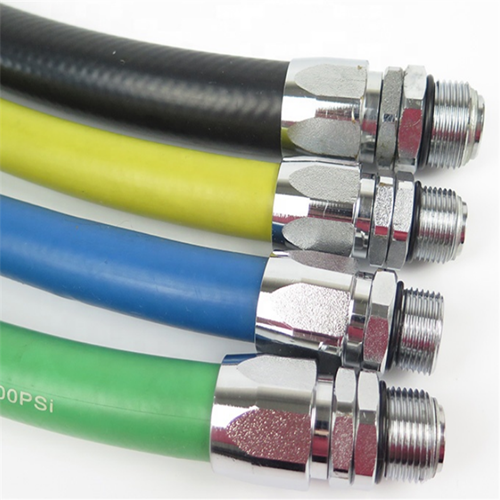
High-pressure rubber hoses manufactured in China are critical components in a diverse range of industrial applications, including hydraulic systems, oil & gas exploration, construction machinery, and automotive manufacturing. Their technical position within the supply chain is as a fluid conveyance solution operating under demanding conditions, requiring robust construction and consistent performance. These hoses are engineered to safely and reliably transmit fluids – hydraulic oil, water, air, chemicals, and various petroleum-based products – at elevated pressures. Core performance characteristics center around burst pressure, working pressure, temperature resistance, and resistance to chemical attack. A significant industry pain point revolves around maintaining consistent quality control across numerous manufacturers, particularly regarding material composition and adherence to international safety standards. Concerns regarding material traceability and the potential for substandard components entering the market are prevalent. Furthermore, ensuring long-term durability and resistance to premature failure in aggressive operating environments presents a continuous engineering challenge.
Material Science & Manufacturing
The primary raw materials for high-pressure rubber hoses include synthetic rubbers like nitrile (NBR), ethylene propylene diene monomer (EPDM), chloroprene rubber (CR, Neoprene), and occasionally fluoroelastomers (FKM/Viton) for specialized applications. NBR offers excellent resistance to petroleum-based fluids, EPDM provides superior resistance to heat, ozone, and weathering, while CR exhibits good abrasion resistance and moderate oil resistance. FKM delivers exceptional resistance to high temperatures and aggressive chemicals but comes at a higher cost. Reinforcement layers typically consist of high-tensile steel wire (single or multiple spiral plies) or textile braids (aramid or polyester). The hose cover materials are typically comprised of synthetic rubbers offering abrasion, ozone, and UV resistance. Manufacturing processes begin with rubber compounding, where raw rubber is blended with reinforcing fillers (carbon black, silica), plasticizers, processing aids, and curing agents. This compound is then extruded to form the inner tube. The reinforcement layer(s) are applied via a winding or braiding process. Subsequently, the outer cover is extruded. Vulcanization, or curing, is a critical step where the rubber compounds are cross-linked to achieve their final physical properties. Key parameter control involves precise temperature control during vulcanization, consistent reinforcement layer winding tension, and rigorous quality checks on material composition. Chemical compatibility between the rubber compound and the conveyed fluid is paramount; improper selection can lead to swelling, degradation, and eventual hose failure. The manufacturing process requires strict adherence to process control documentation and statistical process control (SPC) to ensure consistency.

Performance & Engineering
Performance characteristics of high-pressure rubber hoses are governed by several engineering principles. Burst pressure, typically four times the working pressure, is determined by the tensile strength of the reinforcement layers and the adhesion between layers. Working pressure considerations require thorough force analysis, accounting for internal fluid pressure, external loads, and pressure spikes due to system dynamics (e.g., pump pulsations). Environmental resistance is critical; prolonged exposure to temperature extremes, UV radiation, and corrosive substances can significantly reduce hose lifespan. Compliance requirements vary by application and region. Hydraulic hoses used in mobile machinery must meet SAE standards (e.g., SAE J517), while hoses used in oil & gas exploration are subject to API specifications (e.g., API Spec 7K). Functional implementation often involves specifying appropriate hose end fittings (crimped, swaged, or threaded) to ensure leak-free connections and compatibility with the hydraulic system. Fatigue analysis is crucial for hoses subjected to cyclic pressure and bending stresses. The bending radius must be maintained within specified limits to prevent kinking and premature failure. Hose assemblies require pressure testing during and after assembly to verify leak-tightness and structural integrity. Static and dynamic angle deflection tests are performed to determine the operational limits of the hose under bending conditions.
Technical Specifications
| Parameter | Unit | Typical Range (NBR Hose, Steel Wire Reinforcement) | Testing Standard |
|---|---|---|---|
| Working Pressure | MPa | 16 - 40 | SAE J517 / EN 853 |
| Burst Pressure | MPa | 64 - 160 | SAE J517 / EN 853 |
| Temperature Range | °C | -40 to +100 | SAE J517 / EN 853 |
| Inner Tube Material | - | Nitrile Rubber (NBR) | ASTM D2000 |
| Reinforcement Layer | - | High-Tensile Steel Wire (Spiral) | ASTM A938 |
| Cover Material | - | Synthetic Rubber (e.g., EPDM) | ASTM D2000 |
Failure Mode & Maintenance
Common failure modes in high-pressure rubber hoses include fatigue cracking (due to repeated flexing and pressure cycling), pinhole leaks (caused by abrasion or localized degradation), burst failure (resulting from exceeding the pressure limit), and end fitting failure (often due to corrosion or improper crimping). Delamination of the reinforcement layers can occur due to insufficient adhesion or exposure to aggressive fluids. Oxidation and ozone cracking can degrade the rubber compound, leading to loss of flexibility and eventual failure. Failure analysis typically involves visual inspection, microscopic examination of fractured surfaces, and chemical analysis of the rubber compound. Preventative maintenance is crucial for maximizing hose lifespan. This includes regular visual inspections for signs of damage (cracks, abrasion, swelling), proper hose routing to avoid sharp bends and contact with abrasive surfaces, and periodic pressure testing to verify integrity. Hose connections should be inspected for leaks and corrosion. Proper storage is also important; hoses should be stored in a cool, dry place away from direct sunlight and ozone sources. When replacing a hose, it’s critical to select a hose with the correct specifications (pressure rating, temperature range, fluid compatibility) for the application. Incorrectly sized or specified hoses pose significant safety risks. Regular cleaning and protection from harsh chemicals can extend service life.
Industry FAQ
Q: What is the significance of the 'dash size' designation for hydraulic hoses?
A: The dash size (e.g., -4, -6, -8) is a standardized numerical designation that corresponds to the internal diameter of the hose in sixteenths of an inch. For instance, a -6 hose has a 6/16 inch (3/8 inch) internal diameter. This designation is critical for ensuring proper flow rates and compatibility with hydraulic fittings.
Q: What are the key differences between spiral-wound and braided reinforcement in high-pressure hoses?
A: Spiral-wound reinforcement provides higher pressure ratings and greater flexibility than braided reinforcement. Braided hoses offer better kink resistance and are generally less expensive. The choice depends on the application requirements; spiral-wound is preferred for high-pressure, demanding applications, while braided is suitable for lower-pressure, less demanding situations.
Q: How does temperature affect the working pressure of a rubber hose?
A: Generally, increasing temperature reduces the working pressure rating of a rubber hose. The rubber compound softens at elevated temperatures, reducing its ability to withstand pressure. Manufacturers provide derating factors for different temperatures to account for this effect. Always consult the hose manufacturer's specifications for temperature derating guidelines.
Q: What is the importance of proper hose end fitting crimping?
A: Proper crimping is absolutely vital for a leak-free and reliable connection. Insufficient crimping can result in leakage and eventual fitting failure. Over-crimping can damage the hose reinforcement and also lead to failure. Crimping must be performed by a qualified technician using the correct die set and crimping machine for the hose and fitting being assembled.
Q: How do I determine the correct hose for a specific hydraulic fluid?
A: The hose’s inner tube material must be compatible with the hydraulic fluid being used. Consult a chemical compatibility chart or the hose manufacturer’s specifications to verify compatibility. Incompatibility can lead to swelling, degradation, and hose failure. Always prioritize chemical resistance alongside pressure and temperature requirements.
Conclusion
High-pressure rubber hoses from Chinese manufacturers represent a critical component in numerous industrial sectors. Their performance and reliability are dictated by a complex interplay of material science, manufacturing precision, and adherence to stringent industry standards. Maintaining consistent quality control, focusing on material traceability, and employing robust testing protocols are paramount to mitigating the risk of premature failure and ensuring safe operation.
Looking ahead, advancements in rubber compound technology, reinforcement materials, and manufacturing processes will continue to drive improvements in hose performance, durability, and chemical resistance. Increased emphasis on sustainable materials and environmentally friendly manufacturing practices is also expected. Proactive maintenance programs, coupled with careful hose selection based on application-specific requirements, remain essential for maximizing service life and minimizing downtime.