
Apr . 01, 2024 17:55 Back to list
china high pressure hydraulic rubber hose factory Performance Engineering
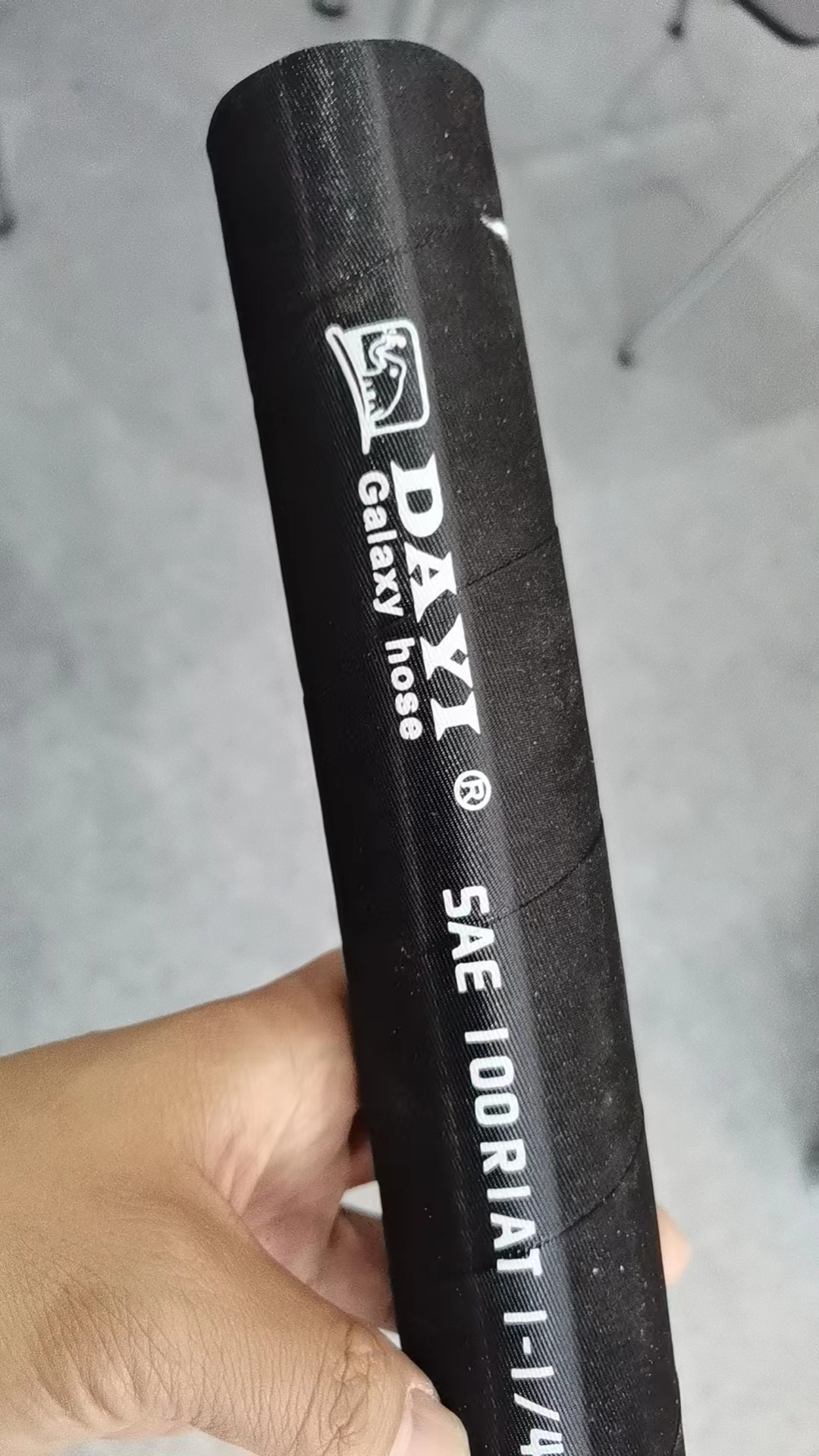
Introduction
High-pressure hydraulic rubber hoses are critical components in fluid power systems, transmitting pressurized hydraulic fluid to actuators and machinery. Manufactured extensively in China, these hoses represent a significant segment of the global hydraulic component market. They are integral to a vast array of industries including construction, agriculture, mining, material handling, and manufacturing. Their performance directly impacts the efficiency, safety, and reliability of the equipment they serve. Key performance characteristics include burst pressure, working pressure, temperature resistance, and compatibility with various hydraulic fluids. This guide provides an in-depth technical overview of these hoses, covering material science, manufacturing processes, performance engineering, failure modes, and industry standards. A primary industry pain point is ensuring consistent quality and adherence to stringent international safety standards due to varying manufacturing practices and material sourcing. The selection of the correct hose, based on application demands, is crucial to prevent catastrophic failure and maintain operational integrity.
Material Science & Manufacturing
High-pressure hydraulic hoses are typically constructed from several layers, each contributing to specific performance characteristics. The innermost layer, the tube, is typically made of a synthetic rubber compound resistant to hydraulic fluid degradation. Common materials include nitrile rubber (NBR), ethylene propylene diene monomer (EPDM), and chloroprene rubber (CR), selected based on fluid compatibility (mineral oil, synthetic fluids, etc.). The reinforcement layer provides the strength to withstand high pressures. This layer traditionally consists of multiple plies of high-tensile steel wire, spirally wound or braided. The number and configuration of these wires directly correlate to the hose's burst pressure. More advanced constructions may utilize aramid fiber reinforcement for lighter weight and increased flexibility. The outer cover protects the reinforcement layer from abrasion, weathering, and chemical attack, commonly employing a synthetic rubber like polyurethane or a blend of rubbers.
Manufacturing involves several critical processes. The tube is extruded using specialized machinery, ensuring consistent wall thickness and smooth internal surfaces. Reinforcement wires are then helically wound or braided onto the tube using high-precision winding machines. Accurate tension control during winding is essential to prevent localized stress concentrations. Following reinforcement, the outer cover is extruded, encapsulating the reinforcement layer. Curing is a crucial step, involving vulcanization, where the rubber compounds are cross-linked using heat and pressure, improving their mechanical properties and chemical resistance. Quality control measures include hydrostatic testing (burst pressure verification), impulse testing (cyclic pressure testing), and dimensional checks. Parameter control is paramount; precise temperature and pressure regulation during extrusion and curing are vital to achieving the desired physical and chemical properties. Material traceability is also becoming increasingly important for compliance and failure analysis.

Performance & Engineering
The performance of a hydraulic hose is governed by several engineering principles. Burst pressure, the maximum pressure the hose can withstand before failure, is a primary design parameter. Working pressure is a fraction of the burst pressure, typically a 4:1 safety factor, representing the recommended maximum operating pressure. Fatigue life, the number of pressure cycles the hose can endure before failure, is critical for applications with fluctuating loads. The hose’s bend radius influences stress concentration at the bend point; exceeding the minimum bend radius can lead to premature failure. Environmental resistance, including temperature extremes, ozone exposure, and chemical attack, is also crucial.
Force analysis is fundamental to hose design. Hoop stress, the stress acting circumferentially around the hose, is directly proportional to the internal pressure and the hose diameter. Longitudinal stress, the stress acting along the hose length, is influenced by the reinforcement layer. Finite element analysis (FEA) is often employed to simulate stress distribution under various loading conditions. Compliance with industry standards (SAE J517, DIN EN 853, ISO 6897) dictates performance requirements and testing procedures. These standards define parameters like burst pressure, impulse pressure, temperature range, and fluid compatibility. The selection of fittings is equally important; improper fitting attachment can create leak paths or stress concentrations, reducing hose life. Correct crimping procedures, ensuring a secure and leak-proof connection, are essential.
Technical Specifications
| Parameter | Unit | Standard Specification (SAE 100R2AT) | Typical Chinese Manufacturer Offering |
|---|---|---|---|
| Working Pressure | MPa | 20.7 | 16 – 25 |
| Burst Pressure | MPa | 82.7 | 64 – 100 |
| Temperature Range | °C | -40 to +100 | -40 to +120 (some offerings) |
| Reinforcement Type | - | Two Steel Wire Braid | Two or Four Steel Wire Braid |
| Inner Tube Material | - | Synthetic Rubber (NBR) | NBR, EPDM, CR |
| Outer Cover Material | - | Synthetic Rubber (Polyurethane) | Synthetic Rubber (Polyurethane or blend) |
Failure Mode & Maintenance
Hydraulic hose failure can manifest in several ways. Fatigue cracking, initiated by repeated pressure cycling, often occurs in the reinforcement layer. This is exacerbated by exceeding the hose’s bend radius or operating beyond its temperature range. Abrasion, caused by external contact with abrasive surfaces, can damage the outer cover, exposing the reinforcement to corrosion. Pinholes, resulting from localized damage to the tube, can lead to fluid leakage. Kinking, caused by excessive bending, can restrict flow and induce stress concentrations. Internal degradation of the tube material, due to incompatible hydraulic fluid or aging, can cause softening and cracking. Oxidation can cause hardening and cracking of the rubber compounds.
Preventative maintenance is crucial. Regular visual inspections should be conducted to identify signs of abrasion, cracking, or leakage. Hoses should be replaced if any damage is detected. Ensure proper routing to avoid sharp bends and contact with hot surfaces. Use compatible hydraulic fluid and maintain fluid cleanliness. Periodically check fitting connections for tightness. Following a hose replacement, bleed the system to remove trapped air. For hoses showing signs of fatigue, proactive replacement is recommended before catastrophic failure. Document all inspections and replacements for traceability and analysis. Proper storage, protected from sunlight and extreme temperatures, will extend hose lifespan.
Industry FAQ
Q: What is the difference between spiral hose and braided hose, and when should each be used?
A: Spiral hose utilizes a single wire helically wound around the tube, offering higher flexibility and resistance to twisting. It’s ideal for applications requiring dynamic movement and complex routing. Braided hose uses multiple wires interwoven, providing higher pressure capacity and abrasion resistance. It’s better suited for static applications with high pressure demands. The selection depends on the specific application requirements: movement vs. pressure, and space constraints.
Q: How does temperature affect hydraulic hose performance?
A: Extreme temperatures degrade rubber compounds, reducing their flexibility and increasing the risk of cracking. High temperatures accelerate oxidation and fluid breakdown. Low temperatures can cause the rubber to become brittle and less resistant to impact. Always select a hose with a temperature rating appropriate for the operating environment and hydraulic fluid.
Q: What are the key considerations when selecting a hydraulic fluid compatible with the hose material?
A: Incompatible fluids can cause swelling, softening, or degradation of the tube material, leading to leaks and failure. Nitrile rubber (NBR) is generally compatible with mineral oils, but may not be suitable for phosphate ester fluids. EPDM offers excellent compatibility with water-based fluids, but may be attacked by petroleum oils. Always consult the hose manufacturer’s compatibility chart.
Q: What is the importance of proper crimping, and what potential issues can arise from improper crimping?
A: Proper crimping ensures a secure, leak-proof connection between the hose and fitting. Under-crimping can lead to leaks and separation of the hose from the fitting. Over-crimping can damage the hose reinforcement, reducing its pressure capacity and potentially causing premature failure. Use calibrated crimping tools and follow the fitting manufacturer’s recommendations.
Q: How can I extend the lifespan of my hydraulic hoses?
A: Implement a regular inspection and maintenance program. Avoid sharp bends and abrasion. Use compatible hydraulic fluid and maintain fluid cleanliness. Properly route hoses to minimize stress. Store hoses correctly when not in use. Replace hoses proactively based on service life or signs of wear. Use hose guards to protect against abrasion in high-wear areas.
Conclusion
High-pressure hydraulic rubber hoses are essential components demanding careful consideration of material science, manufacturing processes, and performance characteristics. Understanding the interplay between working pressure, temperature, fluid compatibility, and environmental factors is crucial for selecting the appropriate hose for a given application. The stringent adherence to international standards, like SAE, DIN, and ISO, ensures consistent quality and safety. Selecting a reliable China-based manufacturer, capable of demonstrating consistent quality control and adherence to these standards, is paramount.
Future trends include the development of lighter-weight hoses utilizing advanced materials like thermoplastic composites, and smart hoses incorporating sensors for real-time pressure and temperature monitoring. The increasing demand for sustainability is driving the development of bio-based rubber compounds. Proactive maintenance, coupled with informed hose selection, will continue to be critical for maximizing equipment uptime and minimizing operational risks in all industries reliant on hydraulic power.