
Apr . 01, 2024 17:55 Back to list
china gasoline hose supplier Performance Analysis
Introduction
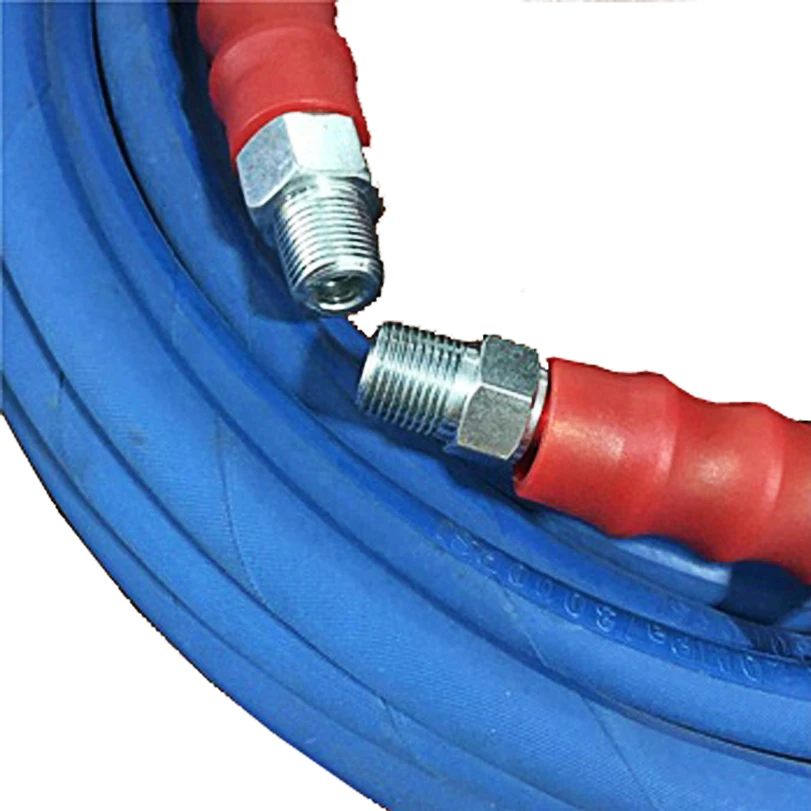
Gasoline hoses, manufactured by suppliers in China, are critical components in the safe and efficient transfer of fuel across a diverse range of applications, including automotive refueling, industrial fuel handling, and emergency fuel dispensing. These hoses are engineered to withstand the corrosive properties of gasoline, fluctuating temperatures, and high pressures. Their performance directly impacts operational safety, environmental protection, and compliance with stringent regulatory standards. The Chinese manufacturing sector has emerged as a dominant force in global hose production, offering a balance of cost-effectiveness and increasingly sophisticated manufacturing capabilities. This guide provides an in-depth technical analysis of gasoline hoses, encompassing material science, manufacturing processes, performance characteristics, failure modes, and relevant industry standards, with a particular focus on the capabilities and offerings of China-based suppliers.
Material Science & Manufacturing
The core material for gasoline hoses is typically a synthetic rubber compound, most commonly nitrile rubber (NBR) due to its exceptional resistance to aliphatic hydrocarbons like gasoline, diesel, and aviation fuels. NBR’s resistance improves with increasing acrylonitrile content, but this also reduces flexibility and low-temperature performance. Alternatives include chloroprene rubber (CR, Neoprene) for enhanced ozone and weathering resistance, and fluoroelastomers (FKM, Viton) for extreme temperature and chemical resistance, though at a significantly higher cost. The rubber compound is reinforced with multiple layers of high-tensile textile braiding, traditionally using natural fibers like cotton but increasingly employing synthetic fibers such as polyester or aramid (Kevlar) for superior strength, dimensional stability, and resistance to degradation. An internal anti-static layer, often incorporating carbon black, is crucial to prevent static electricity buildup during fuel transfer, mitigating the risk of ignition. Manufacturing typically involves several key steps: compound mixing, extrusion, braiding, vulcanization (curing), and final inspection. Precise control of mixing ratios, extrusion temperatures, braiding tension, and vulcanization time and temperature are critical to achieving desired physical and chemical properties. Post-vulcanization, rigorous quality control, including burst pressure testing, dimensional checks, and chemical resistance assessments, ensures compliance with industry standards. Chinese manufacturers are increasingly adopting automated extrusion and braiding processes, enhancing consistency and production efficiency.

Performance & Engineering
Gasoline hose performance is dictated by several key engineering parameters. Burst pressure, typically measured in PSI or Bar, is a critical safety parameter, specifying the maximum pressure the hose can withstand before failure. Working pressure is significantly lower, representing the safe operating pressure under normal conditions. Tensile strength, measured in MPa or PSI, indicates the hose's resistance to stretching and tearing. Elongation at break defines the hose’s flexibility and ability to accommodate movement. A key design consideration is the hose's resistance to permeation – the rate at which gasoline molecules diffuse through the hose wall. High permeation rates contribute to fuel loss and environmental pollution. Furthermore, the hose must maintain its flexibility and integrity over a wide temperature range, resisting cracking or stiffening in cold climates and softening or swelling in hot environments. The impact of gasoline additives, such as ethanol, is a significant concern. Ethanol can cause swelling and degradation of certain rubber compounds, reducing their lifespan and performance. Consequently, hoses marketed for ethanol-blended fuels (E10, E85) are formulated with specialized rubber compounds resistant to ethanol permeation and degradation. Finite element analysis (FEA) is increasingly used by Chinese manufacturers to optimize hose designs, predicting stress distribution and identifying potential failure points under various operating conditions.
Technical Specifications
| Parameter | Unit | Typical Value (China Supplier - Standard Grade) | Typical Value (China Supplier - Premium Grade) |
|---|---|---|---|
| Working Pressure | PSI | 300 | 500 |
| Burst Pressure | PSI | 900 | 1500 |
| Tensile Strength | MPa | 15 | 20 |
| Elongation at Break | % | 400 | 500 |
| Permeation Rate (Gasoline) | g/m²/day | <5 | <3 |
| Temperature Range | °C | -40 to +70 | -50 to +80 |
Failure Mode & Maintenance
Common failure modes in gasoline hoses include cracking due to ozone and UV exposure, hardening and loss of flexibility caused by aging and exposure to extreme temperatures, permeation-induced swelling and degradation, and catastrophic failure due to exceeding the burst pressure. Internal abrasion from fuel contaminants can also lead to hose wall thinning and eventual failure. Delamination of the rubber compound from the reinforcing braid is another potential failure mechanism, often initiated by manufacturing defects or prolonged exposure to harsh chemicals. Regular visual inspection is crucial for identifying early signs of degradation, such as cracks, blisters, or discoloration. Hoses should be replaced immediately if any damage is detected. Avoid sharp bends or kinks, which can stress the hose wall and accelerate fatigue cracking. Proper storage is also essential; hoses should be stored in a cool, dry place away from direct sunlight and ozone sources. For industrial applications, regular pressure testing and leak detection are recommended. Chinese suppliers often provide guidelines for proper hose handling and maintenance, and many offer customized hose formulations to address specific application requirements and environmental conditions. Failure analysis, including microscopic examination of fractured surfaces, can help determine the root cause of failure and prevent recurrence.
Industry FAQ
Q: What is the impact of ethanol-blended gasoline on hose lifespan?
A: Ethanol, even in low concentrations (E10), can cause swelling and degradation of standard nitrile rubber compounds, leading to reduced flexibility, increased permeation, and ultimately, premature failure. Hoses designed for ethanol-blended fuels utilize specialized rubber formulations, such as alcohol-resistant NBR or fluorocarbon elastomers, to mitigate these effects. Selecting the correct hose type is critical for ensuring long-term performance and preventing fuel leaks.
Q: How do Chinese gasoline hose manufacturers ensure compliance with international safety standards?
A: Reputable Chinese manufacturers adhere to globally recognized standards, including SAE J30R9 (for automotive fuel hoses), EN 12115 (for refueling hoses), and ISO 1307 (for industrial hoses). They typically obtain certifications from independent testing agencies to demonstrate compliance and often undergo regular audits. Traceability of materials and strict quality control procedures throughout the manufacturing process are also essential components of their compliance strategy.
Q: What is the role of the reinforcing braid in gasoline hose construction?
A: The reinforcing braid provides the hose with its strength and resistance to bursting under pressure. It prevents the hose from kinking or collapsing during suction and supports the rubber compound against internal pressure. The material used for the braid significantly impacts the hose's performance; synthetic fibers like polyester or aramid offer superior strength, dimensional stability, and resistance to degradation compared to natural fibers.
Q: What factors should be considered when selecting a gasoline hose for a specific application?
A: Key considerations include the type of fuel being transferred (gasoline, diesel, ethanol blends), the operating pressure and temperature range, the hose's length and diameter requirements, and any specific regulatory requirements. It’s also important to consider the hose’s resistance to abrasion, ozone, and UV exposure, depending on the application environment.
Q: What is the significance of anti-static properties in gasoline hoses?
A: Gasoline is a flammable liquid, and static electricity buildup during fuel transfer can create a spark, potentially igniting the fuel vapors. An anti-static layer, typically incorporating carbon black, dissipates static charges, significantly reducing the risk of fire or explosion. This is a critical safety feature in all gasoline hoses.
Conclusion
The performance and reliability of gasoline hoses are paramount in ensuring safe and efficient fuel handling operations. The Chinese manufacturing base has rapidly matured, offering a wide range of hoses with varying specifications and quality levels. Understanding the underlying material science, manufacturing processes, and performance characteristics is crucial for making informed procurement decisions. Selecting a hose that meets the specific requirements of the application, while adhering to relevant international standards, is vital for preventing failures and mitigating potential hazards.
Looking ahead, innovations in rubber compounding, reinforcement materials, and manufacturing techniques will continue to drive improvements in gasoline hose performance and durability. Chinese suppliers are increasingly focused on developing environmentally friendly hoses with reduced permeation rates and enhanced resistance to emerging fuel blends. Continued collaboration between manufacturers, engineers, and regulatory bodies will be essential for addressing evolving industry challenges and ensuring the long-term safety and sustainability of fuel handling systems.