
Apr . 01, 2024 17:55 Back to list
china gasoline hose manufacturers Technical Analysis
Introduction
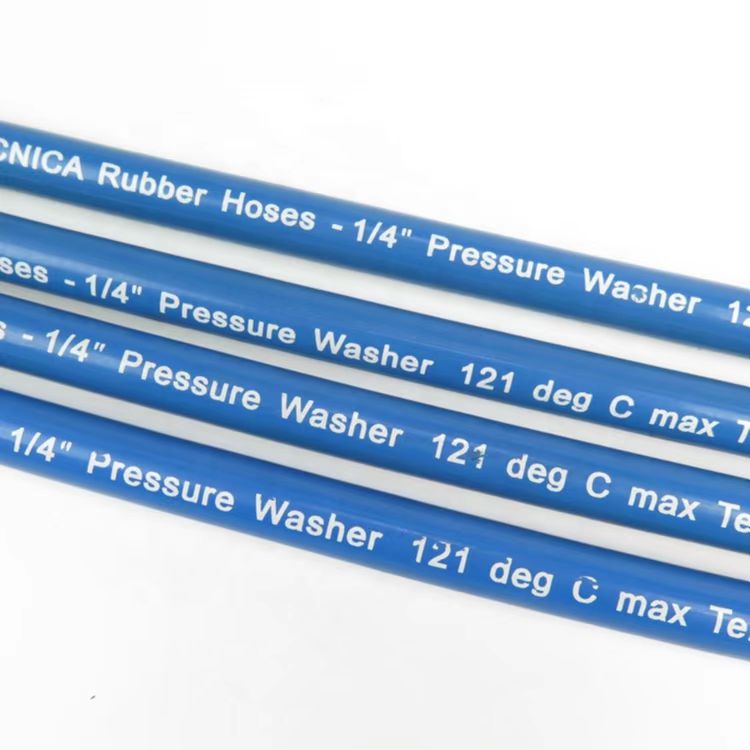
Gasoline hoses manufactured in China represent a significant segment of the global fuel transfer infrastructure. These hoses are critical components in fueling operations across automotive, industrial, and marine sectors. Their performance is dictated by stringent safety regulations and the demanding requirements of handling volatile fuels. This guide provides an in-depth technical analysis of Chinese gasoline hose manufacturing, encompassing material science, production processes, performance characteristics, potential failure modes, and relevant industry standards. A primary concern within the industry centers around ensuring consistent quality control, chemical resistance to increasingly sophisticated fuel blends (including ethanol), and adherence to international safety protocols, particularly given the globalized supply chain. Chinese manufacturers have rapidly expanded their capabilities, but maintaining robust quality assurance and demonstrating compliance remain key challenges for both producers and end-users.
Material Science & Manufacturing
The core material for gasoline hoses is typically a synthetic rubber compound, primarily based on Chlorinated Polyethylene (CPE) or Nitrile Rubber (NBR), often blended with other polymers to achieve specific performance characteristics. CPE offers excellent resistance to ozone, weathering, and heat, while NBR provides superior resistance to petroleum-based fuels. The reinforcement layer commonly consists of multiple plies of high-strength synthetic textile, such as polyester or nylon, spirally wound to provide burst strength and dimensional stability. The cover layer, frequently constructed from CPE, provides abrasion resistance and protection against environmental degradation.
Manufacturing processes begin with raw material sourcing and compounding. Polymer resins, reinforcing fibers, and various additives (plasticizers, antioxidants, curing agents) are precisely weighed and blended using internal mixers (Banbury mixers) to ensure homogeneity. The rubber compound is then extruded through a die to form the inner tube. The reinforcing plies are spirally wound onto the extruded tube. A further extrusion process creates the outer cover. Key process parameters requiring strict control include extrusion temperature, screw speed, and curing time and temperature. Improper curing can result in incomplete vulcanization, leading to reduced tensile strength and increased susceptibility to swelling in fuel. Following extrusion and curing, hoses undergo rigorous testing, including burst pressure tests, impulse tests, and leak tests, to verify performance against specified standards. Increasingly, manufacturers are employing automated inspection systems to enhance quality control.
Performance & Engineering
Gasoline hose performance is fundamentally governed by its ability to withstand internal pressure, external vacuum, and dynamic flexing during fuel transfer. Force analysis reveals that the reinforcement layer bears the majority of the tensile stress under internal pressure, while the rubber compound provides the sealing function. Fatigue life is a critical parameter, determined by the hose's resistance to repeated bending and flexing. Environmental resistance considerations include resistance to degradation from UV exposure, ozone cracking, and temperature extremes. Compatibility with modern fuel blends, particularly those containing ethanol, is paramount; ethanol can cause swelling and deterioration of certain rubber compounds.
Compliance requirements are dictated by international standards (detailed in the footer) and regional regulations. These standards specify minimum burst pressure, tensile strength, elongation at break, and chemical resistance properties. Engineering considerations include the hose’s bend radius, which impacts stress concentration during flexing, and the selection of appropriate end fittings to ensure a leak-proof connection. Finite Element Analysis (FEA) is often used to optimize hose design and predict performance under various loading conditions. Static electricity buildup during fuel transfer poses a safety hazard; therefore, hoses must be conductive to dissipate static charges. This is achieved by incorporating conductive carbon black into the rubber compound.
Technical Specifications
| Parameter | Unit | Standard Specification (Example) | Typical Chinese Manufacturer Range |
|---|---|---|---|
| Burst Pressure | MPa | ≥ 1.72 | 1.72 – 2.41 |
| Tensile Strength | MPa | ≥ 14 | 14 – 21 |
| Elongation at Break | % | ≥ 300 | 300 – 500 |
| Inner Diameter | mm | 19.05, 25.4 | 19.05 – 50.8 |
| Working Temperature Range | °C | -40 to +100 | -40 to +120 |
| Ethanol Fuel Compatibility | Volume Change (%) | ≤ ±15 (after 70h immersion) | -10 to +12 (after 70h immersion) |
Failure Mode & Maintenance
Common failure modes in gasoline hoses include fatigue cracking at the bend radius, delamination of the reinforcement layer, swelling and degradation due to fuel incompatibility (particularly with ethanol-blended fuels), and cracking due to ozone exposure. Fatigue cracking is often initiated by stress concentrations at imperfections in the hose material or at the interface between layers. Delamination occurs when the bond between the rubber compound and the reinforcement layer weakens, leading to separation. Ethanol-induced swelling can reduce the hose’s burst pressure and increase its permeability to fuel. Oxidation and UV degradation cause the rubber compound to become brittle and prone to cracking.
Preventative maintenance involves regular visual inspection for signs of cracking, swelling, or abrasion. Hoses should be replaced immediately if any damage is detected. Proper storage is crucial; hoses should be stored in a cool, dry place away from direct sunlight and ozone sources. Avoid kinking or sharply bending the hose during use. Periodic testing of burst pressure and leak tightness can help identify potential failures before they occur. When handling ethanol-blended fuels, ensure the hose is specifically rated for ethanol compatibility. Furthermore, avoid prolonged exposure to extreme temperatures, as this accelerates degradation.
Industry FAQ
Q: What is the primary difference between CPE and NBR hoses for gasoline applications, and how does it impact cost?
A: CPE hoses offer superior resistance to weathering, ozone, and heat, making them ideal for harsh environments. NBR provides better resistance to petroleum-based fuels themselves but is more susceptible to ozone cracking. Generally, CPE hoses are more expensive due to the higher cost of the CPE polymer and the more complex compounding required to optimize its properties. The selection depends heavily on the specific application and anticipated environmental conditions.
Q: How do Chinese gasoline hose manufacturers address the challenge of ethanol fuel compatibility?
A: Many manufacturers now utilize specialized CPE formulations with enhanced ethanol resistance. These formulations often incorporate specific plasticizers and additives that minimize swelling and maintain the hose’s mechanical properties after prolonged exposure to ethanol. Rigorous testing, including immersion tests according to SAE J30BL standards, is employed to verify compatibility. However, consistent quality control remains a challenge, and it’s crucial to request detailed test reports.
Q: What quality control measures should be expected from reputable Chinese gasoline hose manufacturers?
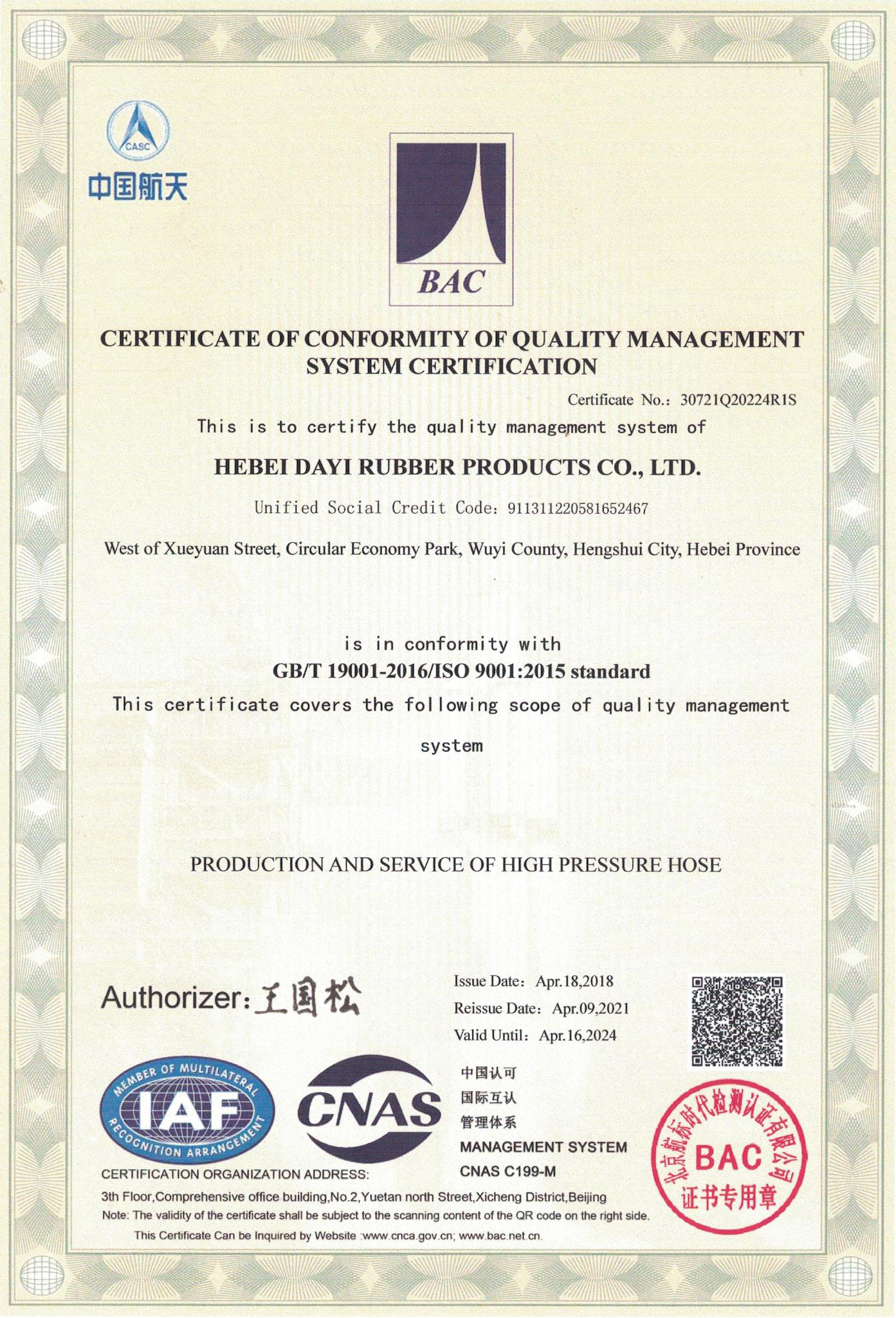
A: Reputable manufacturers should have a documented quality management system, ideally certified to ISO 9001. Essential measures include raw material inspection, in-process quality control (monitoring extrusion parameters and curing conditions), and final product testing (burst pressure, tensile strength, elongation, leak testing, and ethanol compatibility). Traceability of materials and production batches is also crucial.
Q: What is the expected service life of a gasoline hose, and what factors can shorten it?
A: The typical service life of a gasoline hose is 5-7 years under normal operating conditions. However, factors such as exposure to extreme temperatures, UV radiation, ozone, frequent bending, improper storage, and incompatibility with fuel blends can significantly shorten the service life. Regular inspections and adherence to recommended maintenance procedures are essential for maximizing hose longevity.
Q: How does the reinforcement ply material impact the hose's performance, and what are the common choices?
A: The reinforcement ply material provides the hose's burst strength and resistance to collapse under vacuum. Polyester is commonly used for its good strength-to-weight ratio and dimensional stability. Nylon offers higher tensile strength but may be more susceptible to moisture absorption. The ply construction (number of layers and weaving pattern) also influences performance. A higher ply count generally results in greater burst strength but can increase stiffness.
Conclusion
Chinese gasoline hose manufacturing has evolved rapidly, offering a competitive source for this critical component. However, ensuring consistent quality, particularly regarding ethanol fuel compatibility and long-term durability, remains a key challenge. Understanding the material science, manufacturing processes, and performance characteristics outlined in this guide is crucial for procurement managers and engineers alike. Robust quality control procedures, adherence to international standards, and proper maintenance practices are essential for maximizing hose service life and mitigating potential safety hazards.
Looking ahead, advancements in polymer technology and manufacturing techniques will likely lead to even more durable and fuel-resistant gasoline hoses. Increased adoption of automated inspection systems and data analytics will further enhance quality control. Collaborative efforts between Chinese manufacturers, industry standards organizations, and end-users will be vital for continued improvement and ensuring the safe and reliable transfer of gasoline.