
Apr . 01, 2024 17:55 Back to list
china gasoline hose factory Performance Engineering
Introduction
Gasoline hoses, manufactured extensively in China, are critical components in the safe and efficient transfer of fuel within automotive fueling systems and industrial applications. These hoses represent a specialized subset of industrial rubber hoses, distinguished by their stringent requirements for fuel resistance, pressure handling capabilities, and adherence to rigorous safety standards. The Chinese manufacturing base has become a significant global supplier, offering a range of hose constructions and performance characteristics. This guide provides an in-depth technical overview of gasoline hose technology, encompassing material science, manufacturing processes, performance engineering, failure modes, and relevant industry standards, with a particular focus on understanding the capabilities and nuances of products originating from Chinese factories. The core performance attributes center around preventing fuel permeation, maintaining flexibility across a wide temperature range, and resisting degradation from prolonged exposure to gasoline and its additives. A key industry pain point is ensuring consistent quality control and traceability given the varying levels of manufacturing capabilities within China.
Material Science & Manufacturing
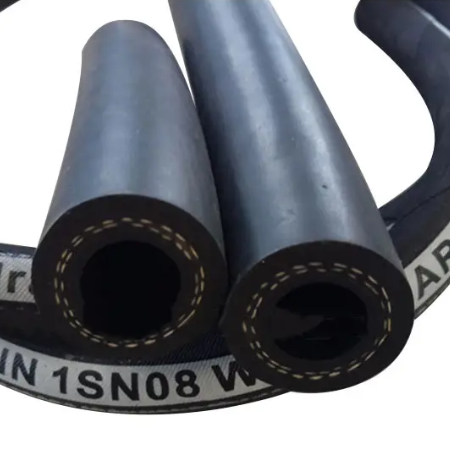
The primary material for gasoline hose construction is synthetic rubber, most commonly nitrile rubber (NBR), also known as Buna-N. NBR offers excellent resistance to aliphatic hydrocarbons like gasoline, diesel, and oils. However, some formulations incorporate other elastomers like chloroprene rubber (CR) – Neoprene – for improved ozone and weathering resistance. The rubber compound is typically reinforced with multiple plies of high-tensile textile braiding, traditionally using polyester or nylon. Steel wire helix reinforcement is also utilized in applications requiring higher pressure ratings and kink resistance. Manufacturing begins with the precise mixing of raw rubber polymers, plasticizers (phthalates or alternatives), fillers (carbon black for reinforcement and UV protection), curing agents, and anti-aging compounds. This mixing process is critical for achieving homogenous dispersion and optimal physical properties. The rubber compound is then extruded through a die to form the hose tube. Textile braiding is applied using automated braiding machines, controlling yarn tension and ply angle to achieve the desired burst strength and flexibility. Curing, or vulcanization, is performed in autoclaves or continuous curing ovens, applying heat and pressure to crosslink the rubber molecules, transforming the compound from a thermoplastic to a thermoset elastomer. Post-curing inspection includes dimensional checks, pressure testing, and visual inspection for defects. Parameter control during extrusion (temperature, screw speed), braiding (yarn tension, ply angle), and curing (temperature, pressure, time) are paramount to maintaining consistent hose quality. The chemical compatibility between the rubber compound and fuel additives (ethanol, MTBE) is a significant concern, particularly with evolving fuel formulations.

Performance & Engineering
Gasoline hose performance is governed by several key engineering principles. Burst pressure, determined by the reinforcement ply arrangement and rubber compound tensile strength, is a critical safety parameter. Fatigue resistance is essential, as hoses are subjected to repeated flexing and pressure cycles during fuel transfer. This requires careful consideration of the rubber’s hysteresis properties and resistance to crack propagation. Environmental resistance, including UV exposure, ozone degradation, and temperature extremes, dictates the hose’s service life. Permeation resistance, measured as the rate of fuel vapor transmission through the hose wall, is increasingly important due to stringent environmental regulations. Force analysis during installation and operation must consider bending radii to avoid kinking and stress concentrations. Compliance requirements, specifically those outlined by SAE J30R9 (US standard) and EN 12572 (European standard), dictate minimum performance criteria for burst pressure, temperature range, and fuel resistance. The reinforcement helix contributes significantly to kink resistance and axial stiffness. Finite Element Analysis (FEA) is often employed in design to optimize hose geometry and reinforcement configuration for maximum performance and durability. The selection of appropriate fittings (swaged or crimped) is crucial for ensuring leak-free connections and maintaining the hose’s overall integrity. Improperly fitted fittings are a common source of failure.
Technical Specifications
| Parameter | Unit | SAE J30R9 | EN 12572 |
|---|---|---|---|
| Working Pressure | PSI | 150 | 6.9 bar |
| Burst Pressure | PSI | 600 | 20.7 bar |
| Temperature Range | °F/°C | -40 to 212 / -40 to 100 | -40 to 70 / -40 to 21 |
| Fuel Permeation (Gasoline) | g/m²/day | < 2 | < 0.8 |
| Tensile Strength (Rubber Compound) | MPa | > 17.2 | > 10.3 |
| Elongation at Break (Rubber Compound) | % | > 300 | > 200 |
Failure Mode & Maintenance
Common failure modes in gasoline hoses include fatigue cracking due to repeated flexing, especially near fittings; permeation-induced swelling and degradation of the rubber compound, leading to embrittlement and cracking; ozone cracking, prevalent in hoses exposed to outdoor environments; and abrasion damage from contact with abrasive surfaces. Delamination of the rubber compound from the textile reinforcement can occur due to inadequate adhesion during the manufacturing process. Internal degradation caused by fuel additives like ethanol can lead to swelling, softening, and ultimately, hose failure. External oxidation and UV exposure cause hardening and cracking of the rubber. Failure analysis often involves microscopic examination of fractured surfaces to identify the root cause. Maintenance recommendations include regular visual inspection for cracks, swelling, or abrasion; avoiding sharp bends and kinks; protecting the hose from direct sunlight and extreme temperatures; and replacing the hose at recommended intervals (typically 5 years or sooner if damage is detected). Proper storage, away from ozone sources and direct sunlight, can extend hose life. Regularly check the fittings for corrosion or leaks and ensure they are securely attached.
Industry FAQ
Q: What is the impact of ethanol-blended gasoline on gasoline hose longevity?
A: Ethanol is a highly effective solvent and can cause swelling and degradation of certain rubber compounds. While modern gasoline hoses are formulated with ethanol-resistant materials, prolonged exposure to high ethanol concentrations (e.g., E85) can still accelerate degradation, reducing the hose's service life. Regular inspection and consideration of hose material compatibility with the prevailing fuel blend are crucial.
Q: How does temperature affect the performance and safety of a gasoline hose?
A: Extreme temperatures can significantly impact hose performance. Low temperatures can reduce flexibility, increasing the risk of cracking during bending. High temperatures can cause softening and increased permeation. Operating outside the specified temperature range can lead to premature failure. Hose materials are engineered to maintain their integrity within a defined temperature window, as specified in standards like SAE J30R9 and EN 12572.
Q: What are the key differences between SAE J30R9 and EN 12572 standards?
A: While both standards specify performance requirements for gasoline hoses, they differ in testing methodologies and acceptable limits. SAE J30R9 is predominantly used in North America, while EN 12572 is common in Europe. EN 12572 typically has more stringent requirements for permeation resistance. It's essential to ensure the hose meets the applicable standard for the intended region of use.
Q: What quality control measures should be in place when sourcing gasoline hoses from Chinese manufacturers?
A: Rigorous quality control is paramount. This includes factory audits to assess manufacturing processes and quality management systems, thorough inspection of raw materials, and comprehensive testing of finished products to verify compliance with relevant standards. Traceability of materials and production batches is also essential. Independent third-party testing can provide additional assurance.
Q: What is the role of the textile reinforcement in gasoline hose construction?
A: The textile reinforcement (typically polyester or nylon) provides the hose with its tensile strength and resistance to bursting. The weave pattern, ply angle, and yarn tension are critical parameters that determine the hose’s ability to withstand internal pressure and external forces. Proper reinforcement is essential for preventing catastrophic failure.
Conclusion
Gasoline hoses are sophisticated engineered products demanding careful material selection, precise manufacturing control, and adherence to stringent industry standards. Chinese manufacturers have established a significant presence in the global gasoline hose market, offering competitive pricing and a wide range of product options. However, maintaining consistent quality and ensuring compliance with international regulations remain key challenges. Understanding the underlying material science, performance characteristics, and potential failure modes is crucial for selecting the appropriate hose for a given application and maximizing its service life.
Ongoing advancements in rubber technology and reinforcement materials are focused on enhancing fuel resistance, reducing permeation, and improving durability. Future trends may include the adoption of more sustainable materials and the development of smart hoses equipped with sensors to monitor pressure, temperature, and fuel leakage. Continued focus on robust quality control measures and adherence to evolving industry standards will be essential for ensuring the safety and reliability of gasoline hose systems.