
Apr . 01, 2024 17:55 Back to list
china flexible ptfe hose suppliers Performance Analysis
Introduction
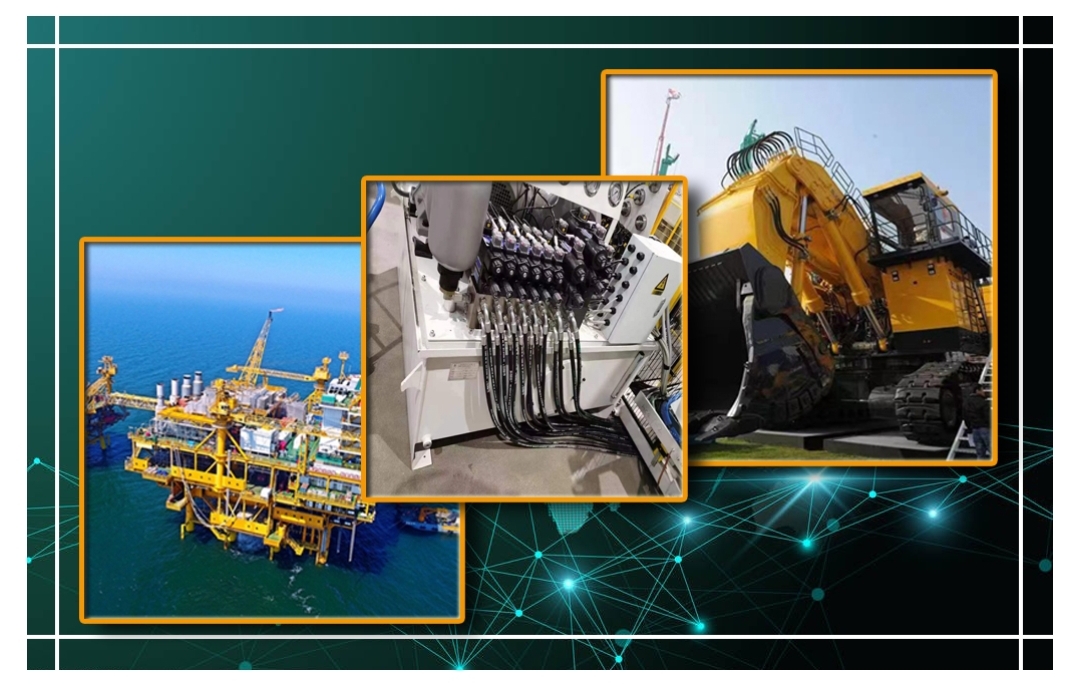
Flexible Polytetrafluoroethylene (PTFE) hose, sourced from China, represents a critical component in numerous industrial fluid transfer applications. This guide provides a comprehensive technical overview of these hoses, encompassing their material science, manufacturing processes, performance characteristics, potential failure modes, and relevant industry standards. PTFE hoses are valued for their exceptional chemical inertness, wide temperature range (-200°C to +260°C), low coefficient of friction, and excellent dielectric properties. They serve as a reliable alternative to metallic hoses in corrosive environments, significantly reducing the risk of contamination and extending system lifespan. China has emerged as a dominant global supplier due to its competitive manufacturing capabilities and increasing focus on quality control within the PTFE hose industry. The primary applications span across chemical processing, pharmaceutical manufacturing, food and beverage processing, automotive, aerospace, and oil & gas, where handling aggressive fluids and maintaining purity are paramount.
Material Science & Manufacturing
The core material of flexible PTFE hose is polytetrafluoroethylene, a synthetic fluoropolymer of tetrafluoroethylene. PTFE exhibits remarkable chemical resistance due to the strong carbon-fluorine bonds, rendering it unaffected by most acids, bases, and solvents. However, pure PTFE possesses limited flexibility. To overcome this, manufacturers employ several techniques. The most common involves extruding a PTFE inner liner, followed by braiding with high-strength materials such as stainless steel (304, 316L) or Aramid fiber. This braid provides mechanical strength and allows for bending and flexing without kinking. Some hoses incorporate a further outer cover, often of polyurethane or PVC, for abrasion resistance and enhanced protection. Manufacturing begins with PTFE resin selection – granular suspension polymerization is typical. The resin is then sintered at high temperatures (380°C) to create a homogenous, dense material. Extrusion parameters (temperature, pressure, screw speed) are critical to ensure uniform wall thickness and avoid defects. Braiding is precisely controlled to achieve the desired coverage and pressure rating. Post-extrusion processes include curing to stabilize the material and rigorous quality control checks, including burst pressure testing, dimensional accuracy verification, and chemical compatibility assessments. The quality of the PTFE resin, braiding material, and adherence to precise manufacturing parameters are key determinants of hose performance and longevity.
Performance & Engineering
The performance of flexible PTFE hose is governed by a combination of material properties and engineering design. A critical consideration is burst pressure, determined by the hose's diameter, wall thickness, and the strength of the reinforcing braid. The burst pressure rating is typically 4:1 of the working pressure. Flexural fatigue is another key aspect, particularly in applications involving repeated bending. Aramid-braided hoses generally exhibit superior flexural fatigue life compared to stainless steel, but offer lower pressure ratings. Permeability is important when handling volatile or hazardous fluids; PTFE’s inherently low permeability minimizes leakage. Temperature resistance is a major advantage – PTFE maintains its properties across a broad temperature spectrum. However, prolonged exposure to high temperatures can lead to creep (slow deformation under sustained stress). Chemical compatibility is paramount; while PTFE is inert to most chemicals, certain molten alkali metals and highly fluorinated compounds can cause degradation. Engineering design also encompasses the proper selection of hose fittings. Fittings must be chemically compatible with both the hose and the conveyed fluid and should provide a secure, leak-proof connection. Hose assemblies must be designed to minimize stress concentrations at the fittings, which are common points of failure. Proper installation practices, including avoiding sharp bends and ensuring adequate support, are essential for maximizing service life.
Technical Specifications
| Parameter | Unit | Typical Value (China Flexible PTFE Hose) | Test Standard |
|---|---|---|---|
| Inner Diameter | mm | 6 - 100 | ISO 1307 |
| Working Pressure | MPa | 1.0 - 25 | ISO 3167 |
| Burst Pressure | MPa | 4.0 - 100 | ISO 3167 |
| Temperature Range | °C | -200 to +260 | ASTM D349 |
| Tensile Strength (Braid) | MPa | 1700 - 2000 (Stainless Steel) / 2800-3500 (Aramid) | ASTM E8 |
| Elongation at Break (PTFE) | % | 200 - 300 | ASTM D4895 |
Failure Mode & Maintenance
Failure modes in flexible PTFE hoses can be categorized as mechanical, chemical, or thermal. Mechanical failures include burst failure due to exceeding pressure limits, flexural fatigue cracking from repeated bending, and fitting failures resulting from improper installation or corrosion. Chemical attack, though rare, can occur with specific aggressive substances causing swelling, cracking, or permeation. Thermal degradation manifests as embrittlement or creep at elevated temperatures. Fatigue cracking typically initiates at stress concentration points, such as near fittings or at braid crossovers. Delamination, the separation of PTFE liner from the reinforcing braid, can occur due to improper bonding or exposure to harsh chemicals. Oxidation of stainless steel braid can lead to corrosion and reduced strength. Preventive maintenance is crucial. Regular visual inspections should be conducted to identify signs of wear, cracking, or swelling. Pressure testing should be performed periodically to verify hose integrity. Avoid sharp bends and kinks during installation and operation. Ensure compatibility of the hose material with the conveyed fluid. Store hoses in a cool, dry place away from direct sunlight and ozone sources. When cleaning, use mild detergents and avoid abrasive materials. Damaged hoses should be replaced immediately; repair is generally not recommended due to the difficulty of maintaining joint integrity and the potential for catastrophic failure.
Industry FAQ
Q: What is the difference between stainless steel and Aramid braided PTFE hose in terms of performance and cost?
A: Stainless steel braided PTFE hose offers higher pressure ratings and better abrasion resistance, making it suitable for demanding applications. However, it is less flexible and has a shorter fatigue life compared to Aramid braided hoses. Aramid braided hoses provide superior flexibility and fatigue resistance, but have lower pressure capabilities. Stainless steel hoses are generally more expensive than Aramid hoses due to the material cost and manufacturing complexity.
Q: How do I determine the correct working pressure for a PTFE hose application?
A: The working pressure should be significantly lower than the hose’s burst pressure, typically a 4:1 safety factor is recommended. Consider the maximum pressure the system can generate, including potential pressure surges. Also, factor in temperature, as working pressure ratings typically decrease with increasing temperature.
Q: What are the common causes of PTFE hose failure in chemical processing applications?
A: Common failure causes include chemical attack (though PTFE is generally resistant, some chemicals can cause degradation), exceeding pressure or temperature limits, flexural fatigue from repeated bending, and fitting failures. Improper installation and inadequate maintenance also contribute to failures.
Q: Can PTFE hose be used with vacuum applications?
A: Yes, PTFE hose can be used in vacuum applications. However, it's important to choose a hose specifically designed for vacuum service, as standard PTFE hose may collapse under high vacuum. Reinforced PTFE hose with a spring guard is commonly used for vacuum lines.
Q: What certifications should I look for when sourcing PTFE hose from China?
A: Look for certifications such as ISO 9001 (Quality Management System), RoHS (Restriction of Hazardous Substances), and REACH (Registration, Evaluation, Authorisation and Restriction of Chemicals). Specific industry certifications, like FDA compliance for food and beverage applications, are also important.
Conclusion
China flexible PTFE hose offers a versatile and reliable solution for a broad spectrum of industrial fluid transfer needs. Its inherent chemical inertness, wide temperature range, and robust construction make it a superior alternative to metallic hoses in many applications. However, proper selection based on pressure, temperature, chemical compatibility, and mechanical stress is crucial for ensuring optimal performance and longevity. Understanding the potential failure modes and implementing a proactive maintenance program are equally important for maximizing the return on investment.
The continued development of PTFE hose technology, alongside China’s increasing focus on quality control and adherence to international standards, promises to deliver even more reliable and cost-effective solutions for demanding industrial applications. Future trends include the development of specialized PTFE compounds with enhanced properties, such as improved abrasion resistance and reduced permeability, and the integration of smart sensors for real-time monitoring of hose condition.