
Apr . 01, 2024 17:55 Back to list
china flexible ptfe hose manufacturers Performance Engineering
Introduction
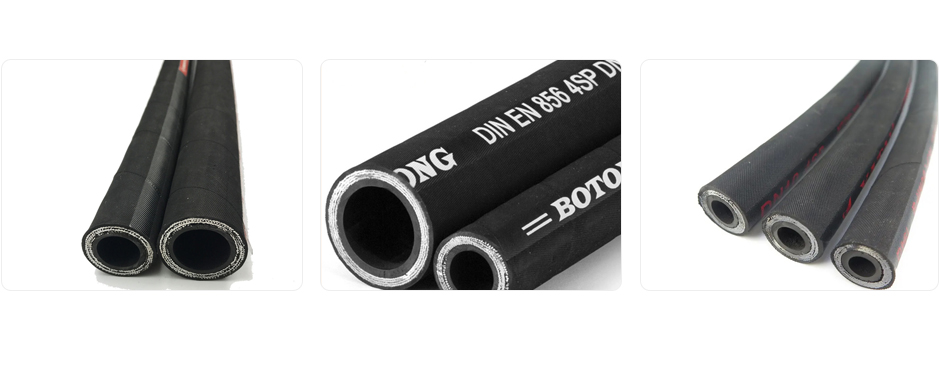
Flexible Polytetrafluoroethylene (PTFE) hose, manufactured extensively in China, represents a critical component in numerous industrial fluid transfer applications. Positioned within the broader landscape of industrial hose production, PTFE hose distinguishes itself through exceptional chemical inertness, high-temperature resistance, and low friction properties. These attributes make it a preferred choice over traditional rubber and thermoplastic hoses in corrosive or high-temperature environments. Chinese manufacturers have become prominent global suppliers, offering a wide range of PTFE hose constructions, including convoluted, smooth bore, and composite designs, catering to industries like chemical processing, pharmaceuticals, food and beverage, automotive, and aerospace. Core performance characteristics center around maintaining fluid purity, preventing permeation, and ensuring long-term operational reliability under demanding conditions. The increasing demand for high-performance fluid handling solutions is driving continued innovation and growth within the Chinese PTFE hose manufacturing sector.
Material Science & Manufacturing
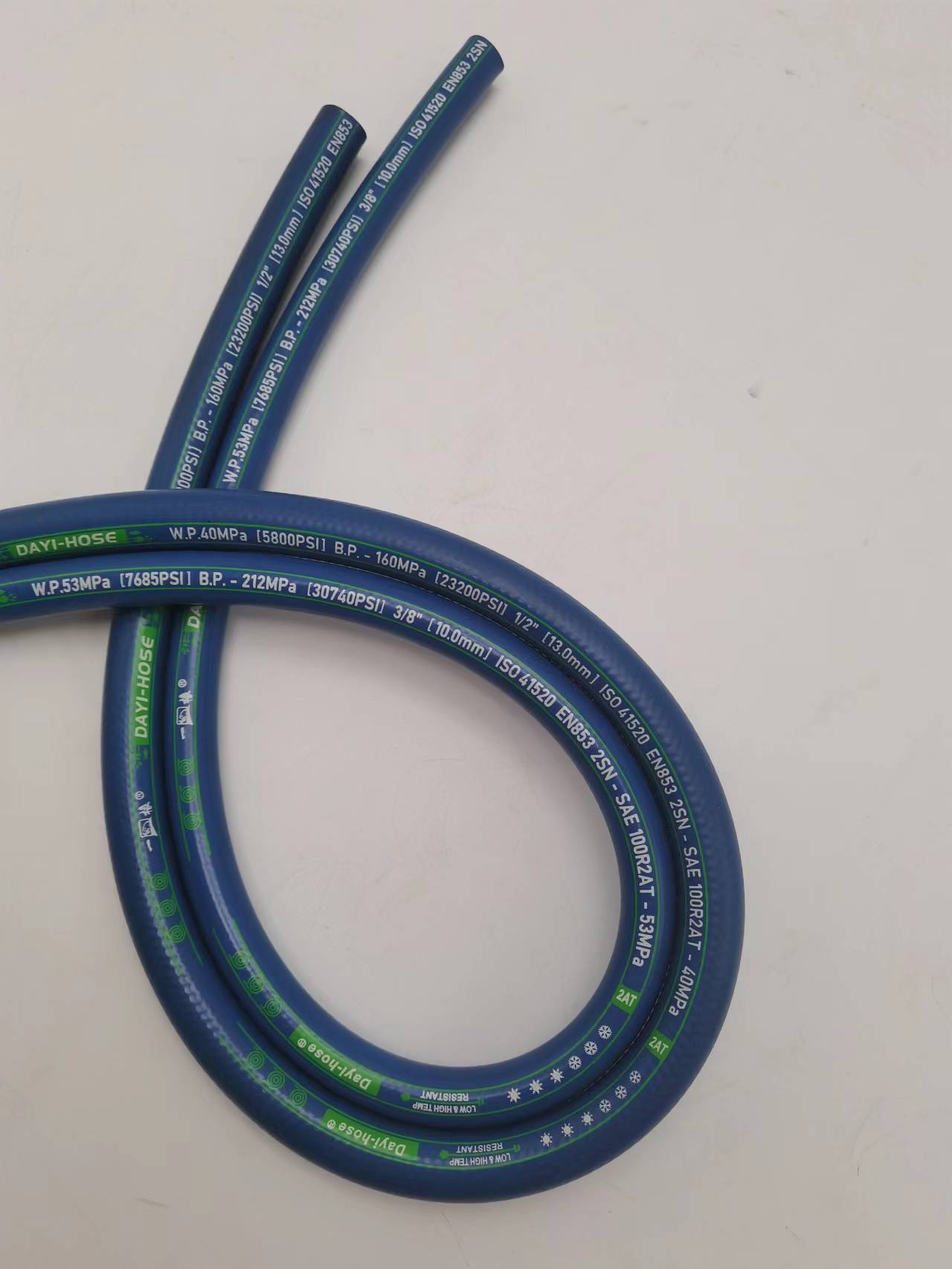
PTFE, or Polytetrafluoroethylene, is a synthetic fluoropolymer of tetrafluoroethylene. Its raw material, tetrafluoroethylene (C₂F₄), is derived from fluorspar (CaF₂). The polymerization process typically occurs via emulsion or suspension polymerization, utilizing free radical initiators. Crucially, the resulting PTFE resin possesses an extremely high molecular weight and crystalline structure, contributing to its exceptional properties. Manufacturing flexible PTFE hose involves several key steps. First, PTFE resin is processed into fine powder. This powder is then compacted and sintered – heated to a temperature below its melting point, causing the particles to fuse together. The sintering process is critical, demanding precise temperature control (typically between 360-380°C) and duration to achieve the desired density and mechanical strength. For convoluted hose, a specialized mandrel is employed during sintering to create the desired corrugation pattern, imparting flexibility. Composite hose construction commonly involves layering PTFE with braided reinforcement materials – typically stainless steel, providing burst strength and structural integrity. Extrusion is used to create smooth bore PTFE tubing. Quality control measures, including dimensional checks, leak testing (using air or nitrogen), and surface inspection, are paramount throughout the manufacturing process. The choice of PTFE grade (e.g., general purpose, modified with fillers) impacts the final hose properties, influencing factors such as dielectric strength, creep resistance, and thermal conductivity. Chemical compatibility with the intended fluid is also a key consideration in raw material selection.
Performance & Engineering
The performance of flexible PTFE hose is governed by a complex interplay of factors. Force analysis is crucial in determining the hose's ability to withstand internal pressure and external loads. Burst pressure ratings, typically specified in PSI or bar, are determined through hydrostatic testing, adhering to standards like ASTM D1418. Flexibility, measured by bend radius, is dependent on the hose’s construction – convoluted hose offers greater flexibility than smooth bore. Environmental resistance is a defining characteristic; PTFE is virtually unaffected by most chemicals, including strong acids, bases, and solvents. However, prolonged exposure to molten alkali metals and certain fluorinated compounds can cause degradation. Temperature resistance extends from -200°C to +260°C, with short-term exposure possible at even higher temperatures. Creep resistance – the tendency to elongate under sustained pressure – is a critical consideration in long-term applications. Compliance requirements vary depending on the industry. For food and beverage applications, hoses must comply with FDA regulations (21 CFR 177.1550) and USP Class VI standards, ensuring biocompatibility and absence of leachable substances. In the pharmaceutical industry, adherence to Good Manufacturing Practices (GMP) is essential. Automotive applications often require hoses to meet SAE J2044 standards for fuel and coolant lines. Proper installation is paramount; excessive bending, kinking, or improper fitting connections can compromise hose integrity and lead to premature failure. Furthermore, surge pressure protection – utilizing surge suppressors or appropriately sized expansion joints – is critical in systems susceptible to pressure spikes.
Technical Specifications
| Parameter | Typical Value (PTFE Lined Stainless Steel Braided Hose) | Unit | Test Standard |
|---|---|---|---|
| Working Pressure | 250 | PSI | ASTM D1418 |
| Burst Pressure | 1000 | PSI | ASTM D1418 |
| Temperature Range | -200 to +260 | °C | ASTM D348 |
| Chemical Resistance | Excellent (most chemicals) | - | ASTM F15 |
| Minimum Bend Radius | 6 | inches | Manufacturer Specification |
| PTFE Liner Thickness | 0.0625 | inches | Manufacturer Specification |
Failure Mode & Maintenance
Failure modes in flexible PTFE hose are diverse and depend on the application and operating conditions. Fatigue cracking, particularly in the braided reinforcement, can occur due to repeated flexing and pressure cycling. This is often initiated at points of high stress concentration, such as near fittings. Delamination – separation of the PTFE liner from the reinforcement – can result from improper bonding during manufacturing or exposure to incompatible fluids. Chemical attack, though rare, can occur with certain aggressive substances, leading to swelling, cracking, or permeation. Oxidation at elevated temperatures can degrade the PTFE liner, reducing its mechanical properties. Kinking, caused by excessive bending, can restrict flow and create localized stress. Permeation, the diffusion of fluids through the hose wall, is a concern with highly volatile substances. Maintenance strategies focus on preventative measures. Regular visual inspections are essential to identify signs of cracking, abrasion, or swelling. Pressure testing should be performed periodically to verify hose integrity. Proper fitting installation and tightening are crucial. Avoid over-bending or kinking the hose during use. Compatibility charts should be consulted to ensure the hose is suitable for the intended fluid. If damage is detected, the hose should be replaced immediately. Cleaning should be performed with mild detergents and water; avoid abrasive cleaners or solvents. Long-term storage should be in a cool, dry place, away from direct sunlight and ozone sources. Proper handling and storage can significantly extend the service life of PTFE hose.
Industry FAQ
Q: What is the primary advantage of PTFE hose over rubber hose in chemical processing applications?
A: The primary advantage is PTFE’s superior chemical inertness. Unlike many rubber compounds, PTFE is resistant to attack by a vast range of aggressive chemicals, including strong acids, bases, and solvents, preventing degradation and ensuring fluid purity. Rubber hoses can swell, crack, or leach contaminants when exposed to these substances, leading to process contamination and potential failure.
Q: How does temperature affect the performance of PTFE hose?
A: PTFE hose exhibits excellent temperature resistance, maintaining its flexibility and chemical properties across a wide range (-200°C to +260°C). However, extreme temperatures can impact its performance. At very low temperatures, PTFE can become brittle. At elevated temperatures, creep – slow deformation under sustained load – can become a concern, particularly with thinner-walled constructions.
Q: What reinforcement materials are commonly used in PTFE hose, and how do they affect hose properties?
A: Stainless steel braiding is the most common reinforcement material. It provides burst strength, protects the PTFE liner from external damage, and prevents kinking. Other reinforcement options include stainless steel wire helicals, which offer greater flexibility, and aramid fiber braiding, which provides a lighter-weight solution with good strength. The reinforcement material directly influences the hose’s pressure rating and flexibility.
Q: What are the key considerations for selecting a PTFE hose for a food and beverage application?
A: Compliance with FDA regulations (21 CFR 177.1550) and USP Class VI standards is critical. The hose must be made from food-grade PTFE and not leach any harmful substances into the fluid. Smooth bore construction is preferred to minimize bacterial buildup. Cleanability and sterilization compatibility are also important factors.
Q: How can I identify potential failure modes in a PTFE hose during routine inspections?
A: Look for signs of cracking, blistering, or discoloration of the PTFE liner. Inspect the reinforcement braiding for corrosion, fraying, or loose strands. Check the fittings for leaks or signs of damage. Pay attention to any changes in hose flexibility or pressure drop. Regular pressure testing can also help identify hidden weaknesses.
Conclusion
China’s flexible PTFE hose manufacturing capabilities provide a critical supply chain component for a diverse range of industries. The exceptional chemical resistance, temperature stability, and low friction characteristics of PTFE, combined with advancements in manufacturing processes and reinforcement techniques, ensure its continued relevance in demanding fluid transfer applications. Understanding the material science, performance parameters, and potential failure modes is paramount for engineers and procurement professionals to select the optimal PTFE hose for their specific needs.
Future developments will likely focus on enhancing PTFE hose performance through the incorporation of novel materials, such as conductive fillers for static dissipation and improved permeation barriers. Furthermore, advancements in non-destructive testing methods will enable more accurate and reliable quality control, solidifying the position of Chinese manufacturers as leading global suppliers of high-performance flexible PTFE hose.