
Apr . 01, 2024 17:55 Back to list
china flexible ptfe hose factories Performance Analysis

Introduction
Flexible PTFE hose, manufactured extensively by factories in China, represents a critical component in fluid transfer systems across a diverse range of industries. This guide provides a comprehensive technical overview of these hoses, detailing their material science, manufacturing processes, performance characteristics, failure modes, and relevant industry standards. PTFE (Polytetrafluoroethylene) hose stands out due to its exceptional chemical inertness, wide temperature range (-100°C to +260°C), and low coefficient of friction, making it suitable for aggressive media and demanding applications. Chinese manufacturers have become prominent suppliers due to their capacity for large-scale production and competitive pricing, catering to global demands in sectors like automotive, chemical processing, pharmaceuticals, food & beverage, and aerospace. Core performance attributes include pressure resistance, flexibility, and resistance to permeation, all crucial for maintaining process integrity and safety.
Material Science & Manufacturing
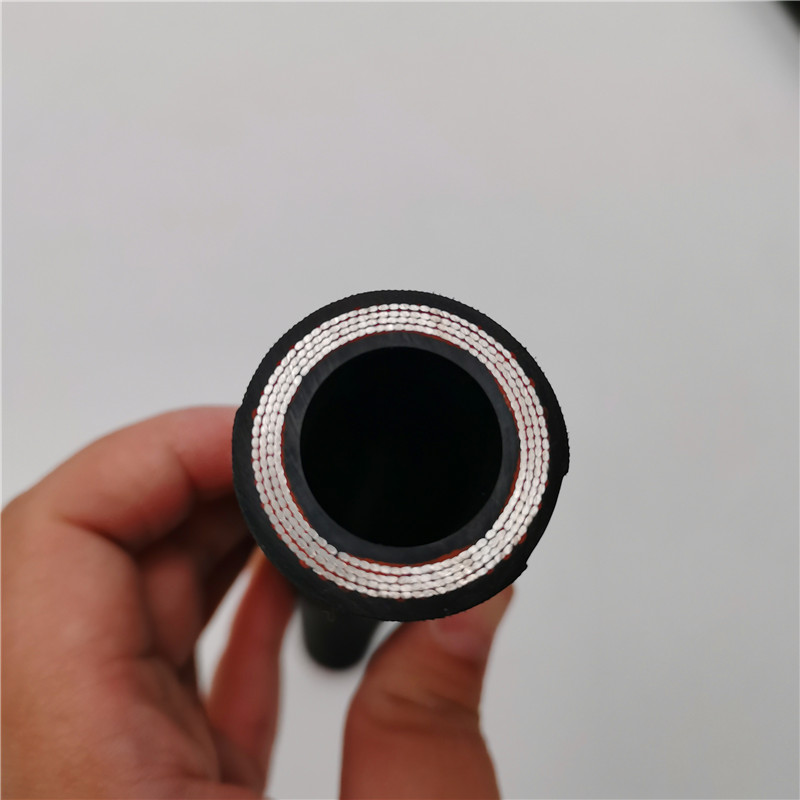
The core material of flexible PTFE hose is PTFE resin, prized for its exceptional chemical resistance, dielectric properties, and low friction coefficient. Raw PTFE resin is a polymer of tetrafluoroethylene, synthesized via free-radical polymerization. Manufacturing begins with fine PTFE powder, which undergoes sintering – a process of heating the powder below its melting point to induce fusion and create a solid structure. The critical parameters during sintering include temperature, pressure, and sintering time; variations directly influence the density, mechanical strength, and permeability of the final product. Hose construction typically involves a PTFE inner core, often reinforced with a braided layer of materials like stainless steel (304, 316L), or fiberglass for increased pressure resistance and flexibility. The braiding process requires precise tension control to ensure uniform reinforcement without compromising hose flexibility. An outer cover, frequently composed of PVC, PU, or stainless steel overbraid, provides abrasion resistance and protection against environmental factors. Extrusion is a common manufacturing technique, followed by vulcanization (for rubber outer layers) or sintering (for PTFE layers). Quality control at each stage, including resin purity analysis, braid density verification, and dimensional accuracy checks, is paramount. Chemical compatibility is ensured through rigorous testing against a range of fluids, verifying the PTFE's resistance to degradation and swelling.
Performance & Engineering
The performance of flexible PTFE hose hinges on its ability to withstand internal pressure, external stresses, and corrosive environments. Force analysis involves calculating hoop stress in the PTFE liner based on internal pressure and hose diameter, ensuring the material’s yield strength is not exceeded. Reinforcement braids significantly enhance burst pressure capabilities; the material and weave pattern of the braid determine its contribution to pressure resistance. Flexibility is engineered through careful selection of materials and braid construction – tighter braid weaves increase pressure resistance but reduce flexibility, necessitating a balance tailored to the intended application. Environmental resistance is critical; PTFE’s inherent chemical inertness provides broad compatibility, but prolonged exposure to specific solvents or high temperatures can induce degradation. Permeation rates of fluids through the PTFE liner are crucial in applications demanding containment of hazardous substances. Compliance requirements vary by industry and region. For example, in the food and beverage industry, hoses must comply with FDA regulations regarding material leachables and biocompatibility. In the pharmaceutical industry, USP Class VI compliance is often required. Automotive applications demand adherence to SAE standards for fuel lines. Hose assemblies are often subjected to hydrostatic testing to verify burst pressure and leak tightness. The fatigue life of the hose, particularly under cyclic pressure, is another important performance parameter often evaluated through accelerated aging tests.
Technical Specifications
| Parameter | Unit | Typical Value (China Flexible PTFE Hose) | Testing Standard |
|---|---|---|---|
| Inner Diameter | mm | 6 - 102 | ISO 1307 |
| Outer Diameter | mm | 10 - 152 | ISO 1307 |
| Working Pressure | MPa | -1 to 31.5 | ISO 3167 |
| Burst Pressure | MPa | 3 – 94.5 | ISO 3167 |
| Temperature Range | °C | -100 to +260 | ASTM D3418 |
| Tensile Strength (Braid) | MPa | 550 - 1700 (Stainless Steel) | ASTM E8 |
| Permeation Rate (Helium) | cc/min·ft² | < 10 | ASTM F260 |
Failure Mode & Maintenance
Common failure modes in flexible PTFE hose include: Fatigue Cracking: Repeated flexing and pressure cycles can lead to crack initiation and propagation, particularly at connection points or areas of high stress concentration. Permeation Induced Degradation: Prolonged exposure to permeating fluids can cause swelling and weakening of the PTFE liner. Abrasion: Damage to the outer cover from rubbing against surfaces can expose the reinforcement braid and potentially lead to corrosion or liner damage. Kinking: Sharp bends can cause permanent deformation and restrict flow. Chemical Attack: While PTFE is generally inert, certain aggressive chemicals (e.g., molten alkali metals) can cause degradation. Corrosion (Braid): Exposure to corrosive environments can corrode the steel braid, reducing its strength and integrity. Preventative maintenance involves regular visual inspections for cracks, abrasions, or kinks. Hoses should be replaced if any damage is detected. Proper installation practices, including avoiding sharp bends and ensuring adequate support, are crucial. Regular pressure testing can identify leaks or weaknesses. For applications involving aggressive media, periodic chemical compatibility testing is recommended. When storing hoses, avoid direct sunlight and extreme temperatures. Cleaning should be performed with mild detergents and water; avoid abrasive cleaners that could damage the PTFE liner. Proper torqueing of fittings during installation and maintenance is critical to prevent leaks and ensure a secure connection.
Industry FAQ
Q: What are the key differences between convoluted and smooth bore PTFE hose, and when should each be used?
A: Convoluted PTFE hose offers superior flexibility, allowing for tighter bend radii. It's ideal for applications with limited space or frequent movement, like automotive brake lines or robotic arm fluid delivery. Smooth bore hose provides lower flow resistance and is preferred for applications requiring high flow rates and minimal pressure drop, such as chemical transfer or pharmaceutical processing. Convoluted hose generally has a lower burst pressure than smooth bore hose of the same size.
Q: How does the type of reinforcement braid affect the hose's performance and cost?
A: Stainless steel (304, 316L) braids provide excellent pressure resistance and corrosion protection, but are more expensive. Fiberglass braiding offers good chemical resistance and is lighter weight, but has lower pressure ratings. The weave pattern (e.g., single, double) also influences performance – double braids offer increased strength and flexibility but are pricier. Choosing the appropriate braid depends on the operating pressure, temperature, and chemical environment.
Q: What is the significance of FDA/USP Class VI compliance for PTFE hose used in the food and pharmaceutical industries?
A: FDA compliance ensures the hose materials are safe for contact with food and beverages, with limited extractables. USP Class VI compliance is a more stringent standard required for pharmaceutical applications, demonstrating biocompatibility and minimal leachable substances. These certifications are essential for maintaining product purity and patient safety.
Q: What are the common causes of PTFE hose failure in high-temperature applications?
A: Prolonged exposure to temperatures approaching the upper limit of PTFE's operating range (-100°C to +260°C) can lead to thermal degradation, causing the material to become brittle and susceptible to cracking. Exposure to oxygen at elevated temperatures can accelerate degradation. Chemical attack from specific high-temperature fluids can also contribute to failure. Proper temperature control and material selection are crucial.
Q: How do I properly specify a PTFE hose assembly to ensure a leak-free connection?
A: Precise specification requires defining the inner diameter, outer diameter, length, end fittings (type, size, material), working pressure, temperature range, and the fluid being conveyed. End fittings must be properly crimped or swaged to the hose to create a secure seal. The fitting material must be compatible with both the hose and the fluid. Always refer to the manufacturer's specifications and installation guidelines.
Conclusion
China flexible PTFE hose represents a critical technology in numerous industries, offering a unique combination of chemical inertness, temperature resistance, and flexibility. Understanding the material science, manufacturing processes, and performance characteristics detailed in this guide is essential for engineers and procurement professionals to make informed decisions. Careful consideration of application-specific requirements, including pressure, temperature, fluid compatibility, and regulatory compliance, is paramount to ensure safe and reliable operation.
The continued development of PTFE hose technology focuses on improving burst pressure, reducing permeation rates, and enhancing flexibility, particularly for demanding applications in aerospace and advanced chemical processing. Collaboration between manufacturers and end-users will drive innovation, leading to more robust and cost-effective solutions. Regular inspection and preventative maintenance, as outlined herein, remain crucial for maximizing hose lifespan and minimizing the risk of failure.