
Apr . 01, 2024 17:55 Back to list
china en857 2sc manufacturers Performance Analysis
Introduction
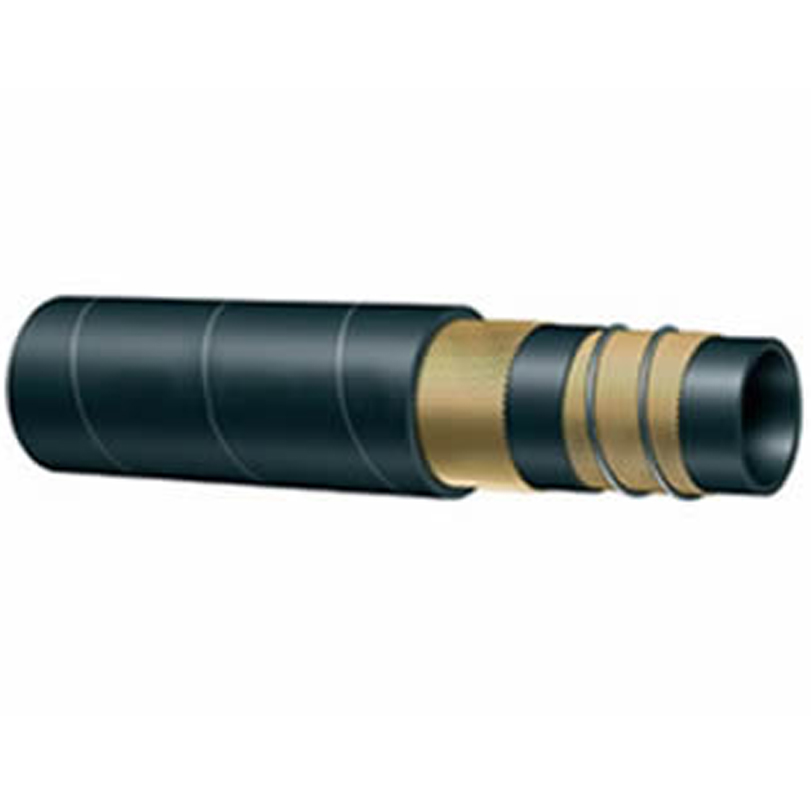
EN857 2SC hose refers to a low-pressure hydraulic hose conforming to European standard EN 857, designated ‘2SC’ signifying its construction: a synthetic rubber inner tube, synthetic textile reinforcement with two spiral layers, and a synthetic rubber outer cover. China EN857 2SC manufacturers represent a significant portion of the global supply chain for this critical component used in a wide array of applications including construction machinery, agricultural equipment, hydraulic tools, and general industrial hydraulic systems. This guide provides a detailed technical overview of the material science, manufacturing processes, performance characteristics, failure modes, and relevant industry standards associated with these hoses. The core pain points for purchasers often revolve around ensuring consistent quality, reliable pressure ratings, chemical compatibility with the intended fluid, and adherence to international safety regulations. Maintaining dimensional accuracy and consistent reinforcement layering are critical for preventing catastrophic failures. Ensuring traceability of materials and adherence to quality control processes are key concerns for buyers sourcing from China.
Material Science & Manufacturing
The manufacturing of EN857 2SC hose begins with the selection of raw materials. The inner tube is typically composed of a nitrile rubber (NBR) compound, chosen for its excellent oil resistance and compatibility with hydraulic fluids. NBR's butadiene content influences its low-temperature flexibility; higher butadiene percentages improve flexibility but reduce tensile strength. The reinforcement layer utilizes a high-tenacity synthetic textile, commonly polyester or nylon, spirally wound to provide the required pressure resistance. The textile’s weave pattern and denier directly impact its strength and elongation properties. The cover is usually a chloroprene rubber (CR) compound, prized for its abrasion resistance, weather resistance, and resistance to ozone cracking. The manufacturing process involves several key stages. First, the inner tube is extruded to the specified diameter and wall thickness. The textile reinforcement is then spirally wound onto the tube, using a precise tension control system to ensure consistent layering. This is followed by vulcanization, a chemical process utilizing heat and pressure to crosslink the rubber compounds, imparting elasticity and strength. Precise temperature control during vulcanization is crucial; under-vulcanization results in a soft, weak hose, while over-vulcanization leads to brittleness. Finally, the outer cover is extruded, and the hose undergoes final inspection and testing, including pressure testing and dimensional checks. Quality control parameters include monitoring the rubber compound’s Mooney viscosity, tensile strength, elongation at break, and compression set.
Performance & Engineering
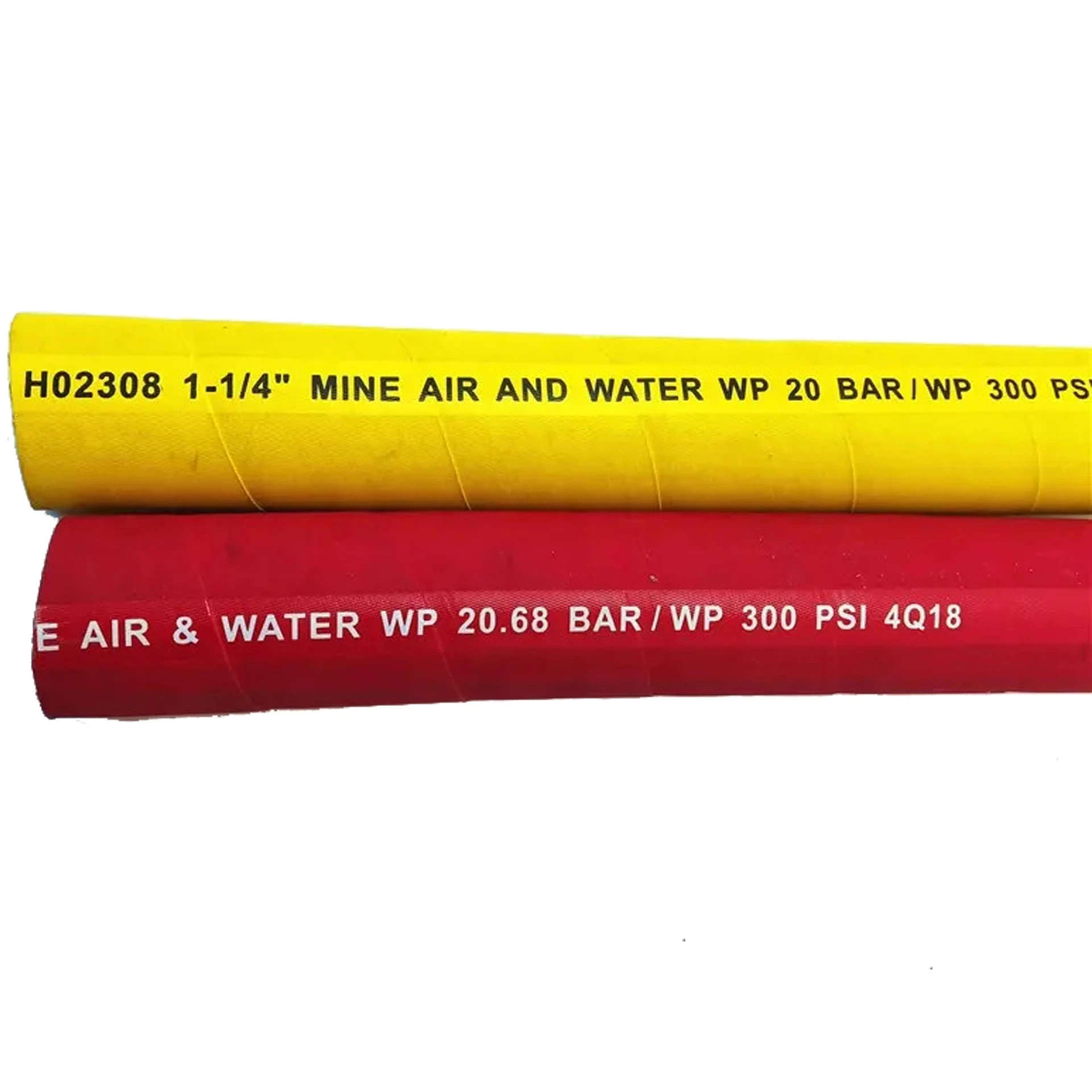
The performance of EN857 2SC hose is dictated by its ability to withstand internal pressure, external damage, and the effects of environmental factors. Force analysis under pressure reveals hoop stress within the rubber and tensile stress within the reinforcement layers. The hose’s burst pressure is determined by the reinforcement’s tensile strength and the rubber’s ability to contain the pressure. Environmental resistance is crucial; prolonged exposure to UV radiation, ozone, and extreme temperatures can degrade the rubber compounds, leading to cracking and reduced flexibility. Chemical compatibility is also paramount. Contact with incompatible fluids can cause swelling, softening, or degradation of the inner tube, resulting in leaks and failure. EN857 2SC hoses must meet specific compliance requirements, including pressure testing to a defined safety factor, dimensional accuracy within specified tolerances, and resistance to fluid permeation. The working pressure, burst pressure, and temperature range are all critical performance parameters. Furthermore, the hose's bending radius is a key engineering consideration; exceeding the minimum bending radius can cause kinking and restriction of flow, while a large bending radius may present installation challenges. Fatigue life is also critical, particularly in applications involving repeated flexing. The hose’s resistance to fatigue cracking is directly related to the quality of the rubber compounds and the integrity of the reinforcement layers.
Technical Specifications
| Parameter | Unit | Specification (Typical) | Test Standard |
|---|---|---|---|
| Working Pressure | MPa | 10 – 20 | EN 857 |
| Burst Pressure | MPa | 30 – 60 | EN 857 |
| Inner Tube Material | - | Nitrile Rubber (NBR) | ASTM D2000 |
| Reinforcement | - | Polyester/Nylon Spiral | ASTM D792 |
| Cover Material | - | Chloroprene Rubber (CR) | ASTM D2000 |
| Temperature Range | °C | -40 to +100 | SAE J20R3 |
Failure Mode & Maintenance
Common failure modes in EN857 2SC hoses include burst failure due to exceeding the working pressure, fatigue cracking caused by repeated flexing, pinhole leaks resulting from abrasion or chemical attack, and separation of the cover from the reinforcement. Burst failures typically originate at weak points in the reinforcement layers or defects in the rubber compounds. Fatigue cracking often initiates at areas of high stress concentration, such as near fittings or bends. Pinhole leaks are frequently caused by external abrasion or degradation of the cover material. To mitigate these failures, regular inspection is crucial. Visual inspection should focus on identifying cracks, abrasions, bulges, and leaks. Hoses should be replaced immediately if any of these defects are observed. Avoid sharp bends and excessive flexing. Maintain appropriate fluid compatibility by selecting a hose with an inner tube material suitable for the intended fluid. Protect the hose from direct sunlight, ozone, and extreme temperatures. Proper storage is also important; store hoses in a cool, dry place away from direct sunlight and chemicals. For maintenance, periodically clean the hose exterior with a mild detergent and water. Avoid using harsh chemicals or abrasive cleaners. Regularly check fittings for tightness and signs of corrosion. Consider using protective sleeves or guards in areas prone to abrasion.
Industry FAQ
Q: What is the difference between EN857 1SC and 2SC hose?
A: The primary difference lies in the reinforcement. 1SC hoses have a single spiral layer of reinforcement, offering lower pressure ratings compared to 2SC hoses, which utilize two spiral layers for increased strength and pressure capacity. 2SC hoses are therefore suitable for higher-pressure applications.
Q: How does the choice of inner tube material affect chemical compatibility?
A: The inner tube material dictates the hose’s resistance to different fluids. NBR (nitrile rubber) is widely used for its oil resistance, but it's not compatible with certain chemicals like ketones and esters. Other materials like EPDM offer better resistance to specific chemicals but may lack oil resistance. Careful fluid compatibility assessment is crucial.
Q: What is the impact of temperature on hose performance?
A: Temperature affects the rubber compounds’ elasticity and strength. High temperatures can cause the rubber to soften and lose pressure-holding capacity, while low temperatures can lead to brittleness and cracking. Operating the hose outside its specified temperature range can significantly reduce its service life.
Q: How do I determine the correct working pressure for my application?
A: Always select a hose with a working pressure rating that exceeds the maximum system pressure by a suitable safety factor (typically 4:1). Account for pressure spikes and surges that may occur during operation. Consult with a hydraulic system expert to ensure proper hose selection.
Q: What quality control measures should I expect from China EN857 2SC manufacturers?
A: Reputable manufacturers should have robust quality control systems in place, including raw material testing, in-process inspection, and final product testing (pressure testing, dimensional checks). Traceability of materials and adherence to ISO 9001 quality management standards are indicators of a commitment to quality.
Conclusion
EN857 2SC hose remains a widely utilized component in hydraulic systems, valued for its cost-effectiveness and reliable performance. Understanding the interplay between material science, manufacturing processes, and performance parameters is essential for ensuring safe and efficient operation. China EN857 2SC manufacturers play a pivotal role in global supply, but diligent quality control and adherence to international standards are paramount for mitigating risk.
Future developments in hose technology may focus on incorporating advanced materials with enhanced chemical resistance and temperature stability, as well as implementing smart monitoring systems to detect potential failures before they occur. Maintaining a rigorous focus on quality assurance and continuous improvement will be critical for sustaining the reliability and longevity of EN857 2SC hoses in demanding industrial applications.