
Apr . 01, 2024 17:55 Back to list
china en857 2sc factories Performance Analysis
Introduction
EN857 2SC rubber hoses, manufactured in China, represent a critical component in pneumatic conveying systems primarily used for the transportation of abrasive bulk materials like powders, granules, and pellets. These hoses are characterized by their smooth bore construction, designed to minimize friction and material build-up, and their robust construction featuring a steel wire helix for negative pressure applications. The '2SC' designation denotes a specific construction configuration within the EN857 standard, outlining requirements for abrasion resistance, electrical conductivity, and dimensional tolerances. The industry faces recurring challenges related to hose lifespan—particularly premature failure due to abrasive wear, electrostatic discharge (ESD) hazards in handling flammable materials, and maintaining consistent internal diameter to ensure efficient material flow. Chinese manufacturers have become significant players in this market, offering competitive pricing and increasingly meeting stringent international standards, but variations in material quality and manufacturing process control remain key concerns for procurement professionals. This guide provides an in-depth examination of the materials, manufacturing, performance, failure modes, and maintenance of EN857 2SC hoses sourced from China, addressing these critical pain points.
Material Science & Manufacturing
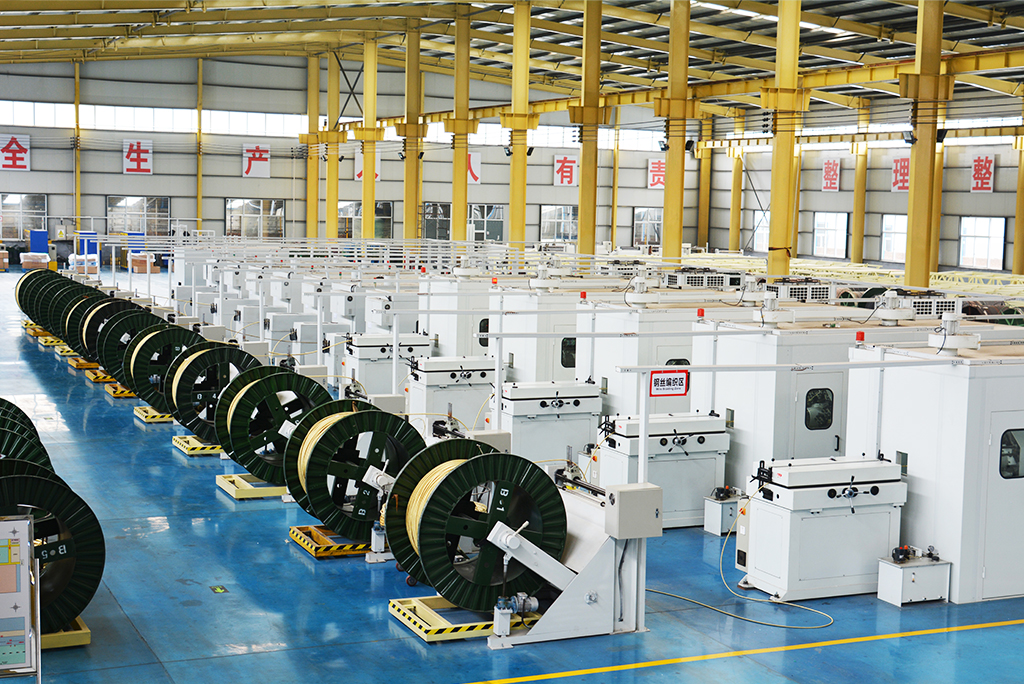
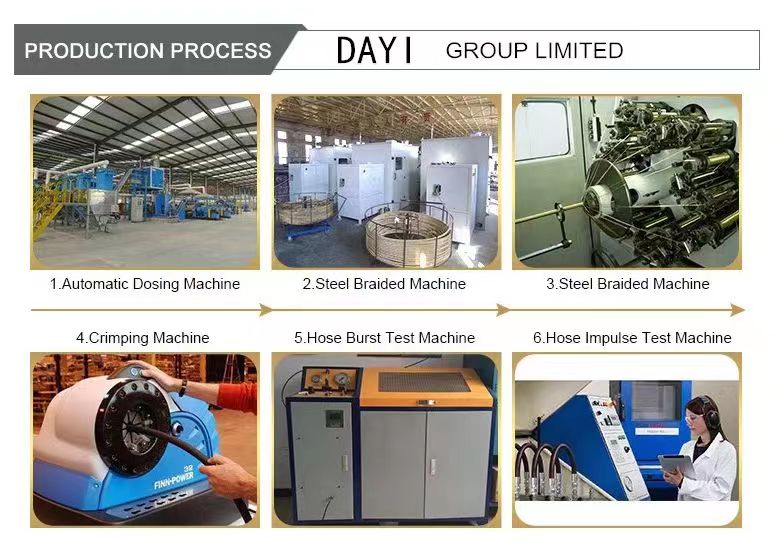
The core material for EN857 2SC hoses is typically a synthetic rubber compound, predominantly based on SBR (Styrene-Butadiene Rubber) or NR (Natural Rubber) blended with specific additives to enhance abrasion resistance, flexibility, and chemical compatibility. SBR offers good abrasion resistance and cost-effectiveness, while NR provides superior flexibility and resilience but is less resistant to oil and certain chemicals. The reinforcement layer consists of a high-tensile steel wire helix, typically manufactured from spring steel conforming to standards like SAE 1009. The helix provides the necessary negative pressure resistance, preventing hose collapse during conveying. The manufacturing process begins with rubber compounding, meticulously controlling the ratio of polymer, fillers (carbon black, silica), plasticizers, curing agents, and anti-static additives. This mixture is then extruded through a die to form the hose lining and cover. The steel wire helix is simultaneously inserted during the extrusion process. Precise control of extrusion temperature, screw speed, and die pressure is crucial for achieving consistent wall thickness and adhesion between the rubber and steel. Following extrusion, the hose undergoes vulcanization, a curing process involving heat and pressure, to cross-link the rubber molecules and develop the desired physical properties. Quality control measures at this stage include tensile strength testing, elongation at break measurements, and hardness testing (using Shore A durometer) to verify adherence to EN857 specifications. Chinese manufacturers often utilize continuous vulcanization processes to increase production throughput, but rigorous monitoring of temperature uniformity and curing time is essential to prevent under-curing or over-curing, both of which can compromise hose performance. Chemical compatibility testing with representative conveyed materials is also vital to prevent degradation and swelling of the rubber compound.
Performance & Engineering
The performance of EN857 2SC hoses is dictated by several engineering considerations. Firstly, the hose must withstand the mechanical stresses induced by negative pressure during conveying. This is governed by Barlow’s formula (P = 2St/D, where P is pressure, S is tensile stress, t is wall thickness, and D is diameter), highlighting the importance of accurate wall thickness control. Secondly, abrasion resistance is paramount, particularly when conveying abrasive materials. The choice of rubber compound and the addition of reinforcing fillers (e.g., ceramic particles) directly influence the wear rate. Thirdly, electrostatic dissipation is critical in handling flammable powders to prevent ignition. This is achieved by incorporating conductive fillers like carbon black into the rubber compound, ensuring a surface resistivity below a specified threshold (typically 10^6 ohms/meter). The hose’s flexibility, measured by its bend radius, impacts its ease of installation and maneuverability. A smaller bend radius indicates greater flexibility. Finally, maintaining a consistent internal diameter is vital for efficient material flow and preventing blockages. Dimensional tolerances are specified in EN857 and must be consistently met during manufacturing. Finite element analysis (FEA) is increasingly employed by manufacturers to optimize hose design and predict stress distribution under various operating conditions. Compliance requirements also include adherence to REACH and RoHS regulations regarding the use of hazardous substances. Static grounding practices must be implemented during installation and operation to ensure effective electrostatic discharge. Failure to adequately ground the system can lead to the build-up of static electricity and potential ignition hazards.
Technical Specifications
| Parameter | Units | EN857 2SC Specification | Typical Chinese Manufacturer Range |
|---|---|---|---|
| Working Pressure | bar | -0.09 MPa | -0.1 to -0.08 MPa |
| Burst Pressure | bar | ≥ 1.35 MPa | 1.4 to 1.6 MPa |
| Tensile Strength | MPa | ≥ 10 MPa | 10.5 to 12 MPa |
| Elongation at Break | % | ≥ 300% | 350 to 400% |
| Hardness (Shore A) | 60 ± 5 | 58 to 65 | |
| Electrical Resistivity | Ω/m | ≤ 10^6 | 10^3 to 10^6 |
Failure Mode & Maintenance
EN857 2SC hoses are susceptible to several failure modes. Abrasion is the most common, leading to gradual thinning of the hose wall and eventual puncture. This is exacerbated by the presence of sharp particles in the conveyed material. Fatigue cracking can occur due to repeated flexing and pressure cycling, particularly at connection points. Delamination, the separation of the rubber layers, can result from inadequate adhesion during vulcanization or exposure to incompatible chemicals. Oxidation and UV degradation can cause the rubber to become brittle and crack, especially in outdoor applications. Electrostatic build-up, if not properly grounded, can lead to localized heating and material decomposition. Preventive maintenance is crucial for extending hose lifespan. Regular visual inspections should be conducted to identify signs of wear, cracking, or delamination. Hose clamps and connections should be checked for tightness and corrosion. The hose should be periodically cleaned to remove accumulated material build-up. When handling flammable materials, grounding connections must be verified regularly. If abrasion is a significant concern, consider using hoses with thicker walls or specialized abrasion-resistant compounds. Avoid sharp bends and excessive tension during installation. For hoses exhibiting signs of degradation, immediate replacement is recommended to prevent catastrophic failure and potential safety hazards. The implementation of a hose management program, tracking hose usage, inspection dates, and replacement history, can further optimize maintenance efforts and reduce downtime.
Industry FAQ
Q: What is the typical lead time for custom-specifications EN857 2SC hoses from Chinese manufacturers?
A: Lead times vary depending on the complexity of the specifications and the manufacturer's current workload. Generally, standard 2SC hoses are available within 2-4 weeks. Custom requirements, such as specialized rubber compounds or unique helix materials, can extend lead times to 6-12 weeks. It's critical to provide a detailed bill of materials and clearly defined specifications during the quotation process to avoid delays.
Q: How do Chinese manufacturers ensure electrical conductivity meets EN857 standards?
A: Chinese manufacturers typically incorporate carbon black into the rubber compound to achieve the required electrical conductivity. They employ resistivity testing using a megohmmeter to verify that the surface resistivity is below 10^6 ohms/meter, as specified in EN857. Testing is performed on both the raw material and the finished hose.
Q: What quality control certifications are commonly held by reputable EN857 2SC hose manufacturers in China?
A: Reputable manufacturers typically hold ISO 9001 certification for their quality management system. Some may also have ISO 14001 for environmental management and OHSAS 18001 (or ISO 45001) for occupational health and safety. Specific product certifications, demonstrating compliance with EN857, are also important to verify.
Q: What are the typical cost differentials between EN857 2SC hoses sourced from China versus European manufacturers?
A: Generally, EN857 2SC hoses sourced from China offer a cost advantage of 20-40% compared to European manufacturers. This is primarily due to lower labor costs and economies of scale. However, it's crucial to factor in shipping costs, import duties, and potential quality control expenses when comparing overall costs.
Q: How do Chinese manufacturers address the issue of dimensional consistency in hose production?
A: Leading Chinese manufacturers employ advanced extrusion technology and automated control systems to maintain dimensional tolerances. They utilize laser micrometers and other precision measurement tools to monitor wall thickness and internal diameter during the extrusion process. Statistical process control (SPC) techniques are used to identify and correct deviations from target specifications.
Conclusion
EN857 2SC rubber hoses from China represent a viable and cost-effective solution for pneumatic conveying applications, provided that rigorous quality control and adherence to international standards are prioritized. Understanding the nuances of material science, manufacturing processes, and potential failure modes is crucial for procurement professionals. Successful implementation relies on verifying manufacturer certifications, conducting thorough pre-shipment inspections, and establishing a robust maintenance program to maximize hose lifespan and ensure operational safety.
Looking ahead, the industry will likely see increased demand for hoses with enhanced abrasion resistance and improved electrostatic dissipation properties. Chinese manufacturers are continually investing in research and development to meet these evolving needs, focusing on advanced rubber compounding techniques and innovative hose designs. The ongoing adoption of Industry 4.0 technologies, such as predictive maintenance and real-time monitoring, will further optimize hose performance and reduce overall operating costs.