
Apr . 01, 2024 17:55 Back to list
china en856 4sh factory Hydraulic Hose Performance Analysis

Introduction
EN856 4SH rubber hose represents a critical component in fluid transfer systems across diverse industrial applications. Manufactured by facilities such as china en856 4sh factory, these hoses adhere to the European standard EN856, specifically the 4SH designation indicating a synthetic rubber hose with steel wire reinforcement suitable for high-pressure hydraulic applications. This guide provides a comprehensive technical overview of EN856 4SH hoses, encompassing material science, manufacturing processes, performance characteristics, failure modes, and relevant industry standards. The core performance attribute lies in its ability to reliably convey hydraulic fluids under significant pressure while maintaining flexibility and resisting degradation. A primary industry pain point centers around consistent quality control in hose production, particularly regarding wire helix adhesion and dimensional accuracy, which directly impact operational safety and lifespan. Another concern is chemical compatibility, ensuring the hose material remains unaffected by the conveyed fluid to prevent swelling, cracking, or permeation.
Material Science & Manufacturing
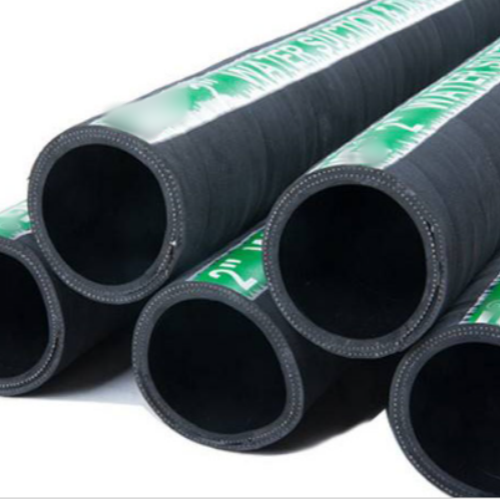
The core material for EN856 4SH hoses is typically a synthetic rubber compound, most commonly a blend of Nitrile Rubber (NBR) and Polychloroprene (CR, Neoprene). NBR offers excellent resistance to petroleum-based hydraulic fluids, while CR contributes to enhanced weathering and ozone resistance. The specific ratio of NBR to CR is tailored to the intended application environment. Reinforcement is provided by a high-tensile steel wire helix, precisely wound to provide burst strength and prevent kinking. Manufacturing begins with the extrusion of the rubber compound through a die, forming the inner and outer layers of the hose. The steel wire helix is simultaneously applied during the extrusion process, ensuring uniform embedding within the rubber matrix. Post-extrusion, the hose undergoes a vulcanization process, typically employing hot air or steam curing, to crosslink the rubber molecules, enhancing its strength, elasticity, and chemical resistance. Critical parameters during vulcanization include temperature, pressure, and curing time, all meticulously controlled to achieve optimal physical properties. Quality control includes rigorous testing of tensile strength, elongation at break, hardness, and abrasion resistance of the rubber compound, as well as radiographic inspection of the steel wire helix to detect defects such as voids or broken wires. The chemical compatibility of the rubber compound with target hydraulic fluids (ISO 6743 classification) is a crucial aspect of material selection and testing.
Performance & Engineering
EN856 4SH hoses are engineered to withstand high hydraulic pressures, typically ranging from 200 bar to 350 bar (2900 psi to 5075 psi), as defined by the '4SH' specification. The pressure rating is directly linked to the steel wire helix's tensile strength and the rubber compound’s burst pressure. Force analysis involves calculating hoop stress within the hose wall under internal pressure, ensuring the design maintains a sufficient safety factor to prevent failure. Environmental resistance is critical; hoses must perform reliably across a wide temperature range (-40°C to +100°C, -40°F to +212°F) and resist degradation from exposure to ozone, UV radiation, and common industrial chemicals. Compliance requirements are dictated by EN856, which specifies dimensional tolerances, pressure testing procedures, and aging characteristics. The hose’s bend radius is a key engineering parameter, dictating its flexibility and preventing kinking under operational conditions. Fatigue life, determined through cyclic pressure testing, is a crucial metric for applications involving repetitive flexing. Leakage prevention relies on robust end fitting crimping procedures, ensuring a secure and durable connection between the hose and the fitting, preventing fluid expulsion. Static electricity dissipation is also a factor, particularly in flammable environments, requiring the use of conductive rubber compounds or anti-static coatings.
Technical Specifications
| Parameter | Unit | Specification (Typical) | Test Standard |
|---|---|---|---|
| Working Pressure | bar | 250 | EN856 |
| Burst Pressure | bar | 750 | EN856 |
| Temperature Range | °C | -40 to +100 | EN856 |
| Inner Tube Material | - | NBR/CR Blend | ASTM D2000 |
| Reinforcement | - | High Tensile Steel Wire Helix | SAE J517 |
| Outer Cover Material | - | CR (Neoprene) | ASTM D2000 |
Failure Mode & Maintenance
Common failure modes for EN856 4SH hoses include burst failure due to exceeding pressure limits, fatigue cracking caused by repeated flexing, abrasion of the outer cover leading to reinforcement exposure, and degradation of the rubber compound due to chemical incompatibility or environmental factors. Failure analysis often reveals that burst failures originate from defects in the steel wire helix, such as corrosion or broken wires. Fatigue cracking typically initiates at points of high stress concentration, such as near end fittings or bends. Swelling or cracking of the rubber compound indicates chemical incompatibility with the conveyed fluid. Maintenance involves regular visual inspections for signs of abrasion, cracking, or leakage. Hoses should be replaced immediately if any defects are detected. End fittings should be inspected for corrosion and proper crimping. Proper storage conditions, avoiding direct sunlight and extreme temperatures, are crucial to prevent premature degradation. Preventative maintenance programs should include periodic pressure testing to verify the hose’s integrity. Avoiding sharp bends and excessive flexing can extend the hose’s service life. Record-keeping of hose installation dates and operating conditions is recommended for tracking performance and identifying potential issues.
Industry FAQ
Q: What is the significance of the steel wire helix in an EN856 4SH hose?
A: The steel wire helix provides the primary reinforcement, enabling the hose to withstand high hydraulic pressures without bursting or collapsing. The helix's tensile strength and winding pattern directly influence the hose's pressure rating and flexibility. A properly embedded and corrosion-resistant helix is essential for long-term reliability.
Q: How does temperature affect the performance of an EN856 4SH hose?
A: Extreme temperatures can significantly impact the hose's performance. High temperatures can accelerate rubber degradation, reducing its elasticity and strength. Low temperatures can decrease flexibility, increasing the risk of cracking. Operating outside the specified temperature range (-40°C to +100°C) can lead to premature failure.
Q: What is the best practice for selecting the correct hose for a specific hydraulic fluid?
A: Chemical compatibility is paramount. Refer to fluid resistance charts (e.g., ISO 6743) to ensure the rubber compound is compatible with the specific hydraulic fluid being used. Incompatibility can lead to swelling, cracking, or permeation, compromising the hose's integrity.
Q: How can I identify potential issues before a hose fails catastrophically?
A: Regular visual inspections are crucial. Look for signs of abrasion, cracking, swelling, discoloration, or leakage. Pay attention to the condition of end fittings and crimps. Perform periodic pressure testing to verify the hose’s integrity. Implement a preventative maintenance schedule.
Q: What is the importance of proper hose end fitting crimping?
A: Proper crimping is essential for creating a secure and leak-proof connection between the hose and the fitting. Insufficient crimping can lead to leakage or blow-off under pressure. Over-crimping can damage the hose reinforcement. Follow manufacturer’s specifications for crimping procedures.
Conclusion
EN856 4SH hydraulic hoses represent a vital link in numerous industrial systems, demanding a thorough understanding of their material science, manufacturing processes, and performance characteristics. Adherence to the EN856 standard, coupled with rigorous quality control measures implemented by manufacturers like china en856 4sh factory, is paramount for ensuring reliability and safety. Careful consideration of operating conditions, fluid compatibility, and regular maintenance are essential for maximizing hose lifespan and preventing catastrophic failures.
Future advancements in hose technology will likely focus on developing more durable rubber compounds, enhancing reinforcement materials, and incorporating smart sensors for real-time monitoring of hose condition. Optimized manufacturing processes and increased automation will further improve consistency and reduce production costs. Continued adherence to international standards and proactive implementation of preventative maintenance strategies will remain crucial for maintaining the integrity and safety of hydraulic systems.