
Apr . 01, 2024 17:55 Back to list
china en854 1te manufacturers Performance Analysis

Introduction
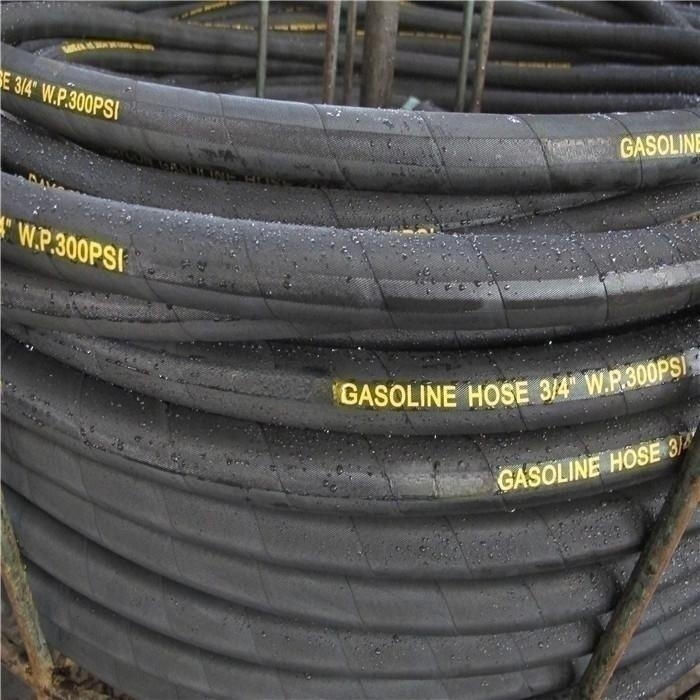
EN854 1TE hoses, manufactured extensively in China, represent a critical component in low-pressure hydraulic systems. Classified under European Standard EN854, the 1TE designation specifically denotes a textile reinforced rubber hose with a single wire spiral reinforcement, intended for hydraulic fluid conveyance. These hoses are integral to various industrial applications, including agricultural machinery, construction equipment, and material handling systems. The Chinese manufacturing base offers a cost-effective solution while maintaining increasingly stringent quality control standards. A core pain point for end-users lies in consistent performance under dynamic loading, specifically addressing issues related to impulse pressure resistance and maintaining fluid compatibility over extended operational lifecycles. Ensuring conformity with EN854 standards, including dimensional accuracy and pressure testing, is also a significant concern for procurement managers. Furthermore, understanding the limitations of textile reinforcement in aggressive fluid environments is crucial for preventative maintenance and extending service life.
Material Science & Manufacturing
The construction of an EN854 1TE hose begins with the selection of appropriate raw materials. The inner tube typically utilizes a nitrile rubber (NBR) compound due to its excellent resistance to petroleum-based hydraulic fluids. NBR’s properties, notably its tensile strength (typically 15-25 MPa) and elongation at break (300-500%), are fundamental to maintaining hydraulic integrity. The reinforcement layer comprises multiple plies of high-tensile textile braiding, commonly polyester or aramid fibers. Polyester provides a balance of cost and performance, while aramid offers superior strength and temperature resistance. The outer cover utilizes a chloroprene rubber (CR) compound, selected for its resistance to abrasion, weathering, and ozone degradation.
Manufacturing processes involve several critical stages. The inner tube is extruded using a continuous process, carefully controlling temperature and pressure to ensure uniform wall thickness. The textile braid is applied using a spiral winding machine, precisely controlling braid angle and tension. This angle directly affects the hose's burst pressure and flexibility. Following braiding, the outer cover is extruded, bonding to the reinforcement layer through heat and pressure. Rigorous quality control is applied at each stage, including dimensional checks, visual inspection for defects, and destructive testing to verify burst pressure and impulse performance. Key parameter control focuses on maintaining consistent rubber compound formulations, precise braid tension, and accurate curing temperatures and times. Post-curing, hoses undergo hydraulic testing according to EN854 requirements, involving hydrostatic pressure testing and impulse testing to simulate real-world operating conditions.
Performance & Engineering
The performance of an EN854 1TE hose is dictated by several engineering principles. Force analysis focuses on hoop stress within the hose wall under internal pressure. The textile reinforcement resists circumferential tension, preventing the hose from expanding excessively. The single wire spiral provides longitudinal support, resisting axial contraction under pressure and preventing kinking. Environmental resistance is paramount; prolonged exposure to elevated temperatures (above 70°C) can degrade the rubber compounds, reducing flexibility and increasing the risk of failure. Exposure to ozone and UV radiation can cause surface cracking and embrittlement of the outer cover. Chemical compatibility is critical. While NBR is generally compatible with most petroleum-based fluids, certain fluids (e.g., phosphate ester hydraulic fluids) require specialized rubber compounds (e.g., EPDM) to prevent swelling and degradation.
Compliance requirements are governed by EN854 standards, encompassing dimensional tolerances, burst pressure testing (typically exceeding four times the working pressure), impulse pressure testing (simulating pulsating pressure), and leak testing. The hose's bend radius is also a critical parameter, with excessive bending causing stress concentration and potential failure. Furthermore, electrostatic discharge (ESD) considerations become important in certain applications, requiring the use of conductive rubber compounds in the outer cover to prevent static electricity buildup.
Technical Specifications
| Parameter | Unit | Specification (Typical) | Test Standard |
|---|---|---|---|
| Working Pressure | MPa | 10 | EN854 |
| Burst Pressure | MPa | 40 | EN854 |
| Impulse Cycles (R12) | Cycles | 200,000 | EN854 |
| Temperature Range | °C | -40 to +100 | EN854 |
| Inner Tube Material | - | Nitrile Rubber (NBR) | ASTM D2000 |
| Reinforcement | - | Textile Braid (Polyester/Aramid) & Single Steel Wire Spiral | EN854 |
| Outer Cover Material | - | Chloroprene Rubber (CR) | ASTM D2000 |
Failure Mode & Maintenance
Common failure modes in EN854 1TE hoses include fatigue cracking of the steel wire spiral due to repeated flexing, delamination of the rubber cover from the reinforcement layer due to poor adhesion, and degradation of the NBR inner tube due to fluid incompatibility or excessive temperature. Oxidation of the rubber compounds can lead to hardening and cracking, particularly in hoses exposed to harsh environments. Impulse pressure exceeding the hose’s rated capacity can cause immediate rupture. Pinholes in the inner tube can result from abrasion or corrosion.
Preventative maintenance is crucial. Regular visual inspections should identify signs of cracking, abrasion, or swelling. Hoses should be replaced if any damage is observed. Proper routing and support are essential to minimize stress concentration. Avoid sharp bends and ensure adequate clearance from moving parts. Periodic fluid analysis can identify contaminants that may accelerate degradation. Storage conditions also matter; hoses should be stored in a cool, dry, and dark environment to prevent UV degradation. When disconnecting hoses, ensure the system is depressurized to prevent accidental fluid release and hose whipping. If using a cleaning agent, verify its compatibility with the hose materials.
Industry FAQ
Q: What is the significance of the '1TE' designation within the EN854 standard?
A: The '1TE' designation specifies a hose construction featuring a single high-tensile steel wire spiral embedded within multiple plies of textile reinforcement (typically polyester or aramid). This combination provides a balance between pressure resistance, flexibility, and impulse performance, making it suitable for a wide range of low-pressure hydraulic applications. The '1' indicates single wire spiral, 'T' refers to textile reinforcement, and 'E' designates the European standard.
Q: How do Chinese manufacturers ensure compliance with the stringent requirements of EN854?
A: Reputable Chinese manufacturers employ rigorous quality control procedures throughout the manufacturing process, including raw material inspection, in-process dimensional checks, and comprehensive testing to EN854 standards. This includes burst pressure testing, impulse testing, and leak testing. Many manufacturers also obtain certifications from independent testing laboratories to demonstrate compliance. Traceability of materials and production batches is also essential.
Q: What are the limitations of using textile reinforced hoses in applications with aggressive fluids?
A: Textile reinforcement can be susceptible to degradation when exposed to certain aggressive fluids, such as those containing strong acids or bases. This degradation can lead to a reduction in hose strength and an increased risk of failure. In such applications, alternative reinforcement materials, such as all-steel wire reinforcement, may be necessary. It's crucial to consult a fluid compatibility chart and select a hose with appropriate materials for the specific fluid being used.
Q: How does temperature affect the performance and lifespan of an EN854 1TE hose?
A: Elevated temperatures can accelerate the degradation of rubber compounds, reducing flexibility and increasing the risk of cracking and failure. Conversely, low temperatures can make the rubber brittle and more susceptible to damage. The specified temperature range for EN854 1TE hoses is typically -40°C to +100°C. Operating outside this range can significantly reduce the hose’s lifespan.
Q: What maintenance procedures are recommended to maximize the service life of these hoses?
A: Regular visual inspections for cracks, abrasion, swelling, or leaks are crucial. Avoid sharp bends and ensure proper support to minimize stress. Regularly check hose connections for tightness. Store hoses in a cool, dry, and dark environment away from ozone and UV radiation. When replacing hoses, ensure the new hose is compatible with the hydraulic fluid. Consider periodic fluid analysis to identify potential contaminants.
Conclusion
EN854 1TE hoses represent a vital, yet often overlooked, component in numerous hydraulic systems. Understanding the interplay between material science, manufacturing processes, and performance engineering is crucial for selecting and maintaining these hoses effectively. Chinese manufacturers have become a significant global supplier, offering competitive pricing without compromising on quality when adhering to stringent standards. However, proactive maintenance, careful fluid compatibility assessment, and awareness of potential failure modes are paramount for maximizing service life and ensuring system reliability.
Looking ahead, advancements in rubber compounding and reinforcement materials will likely lead to improved hose performance, particularly in terms of temperature resistance and chemical compatibility. Increased adoption of smart hose technology, incorporating sensors for pressure monitoring and leak detection, could further enhance preventative maintenance strategies. Continuous adherence to international standards, coupled with ongoing innovation, will be essential for meeting the evolving demands of the hydraulic systems industry.