
Apr . 01, 2024 17:55 Back to list
china en 857 2sc hydraulic hose supplier Performance Analysis
Introduction
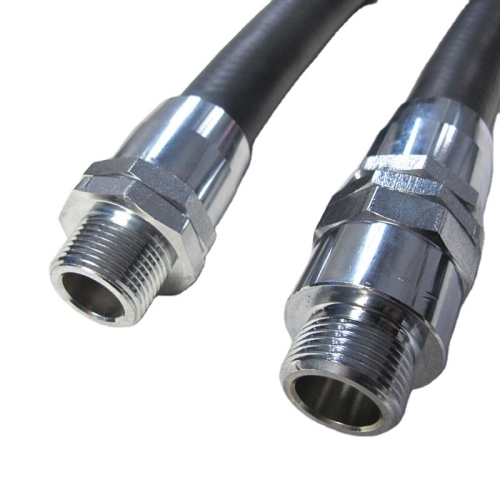
EN 857 2SC hydraulic hose represents a critical component in fluid power systems across diverse industrial applications, ranging from construction machinery and agricultural equipment to manufacturing and materials handling. This hose standard, defined by the European Norm 857, specifies requirements for reinforced hydraulic hoses with two steel wire braids (2SC designation) designed for conveying hydraulic fluid under high pressure. Chinese suppliers specializing in EN 857 2SC hoses are increasingly prominent in the global market, offering competitive pricing and expanding manufacturing capabilities. The hose's core performance characteristics – pressure rating, temperature range, fluid compatibility, and burst strength – directly impact system reliability and operational safety. Understanding the nuances of the standard, materials, manufacturing processes, and potential failure modes is paramount for procurement professionals, engineers, and maintenance personnel relying on these hoses. This guide provides an in-depth technical analysis of EN 857 2SC hydraulic hose, focusing on the capabilities and considerations surrounding sourcing from Chinese manufacturers.
Material Science & Manufacturing
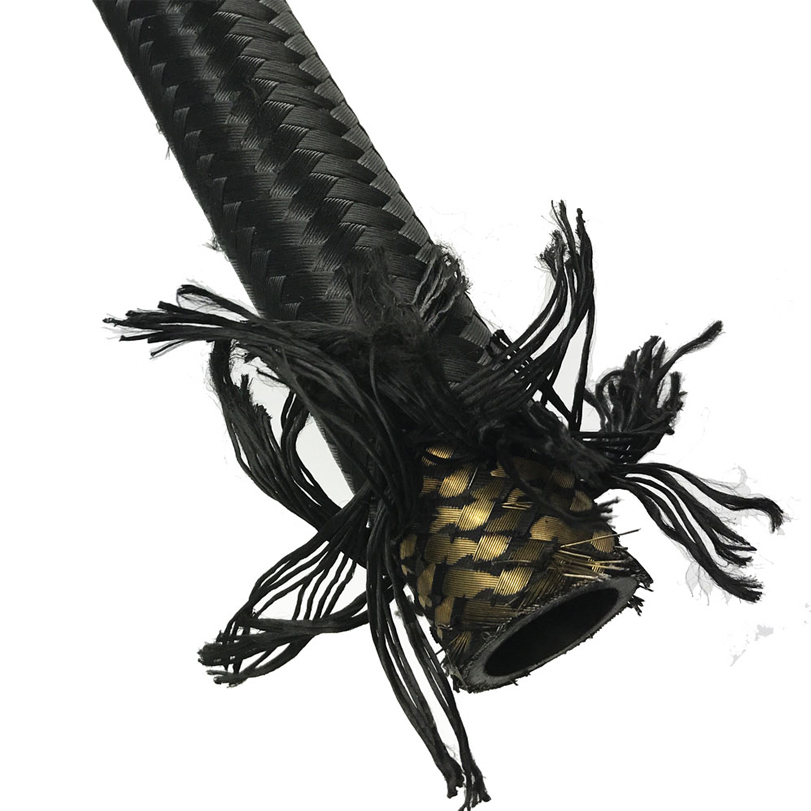
The construction of an EN 857 2SC hydraulic hose involves several key material choices and a multi-stage manufacturing process. The inner tube, typically composed of nitrile rubber (NBR) for its excellent oil resistance, provides a fluid-tight barrier. Alternatives like chloroprene rubber (CR) offer enhanced temperature resistance and weathering properties, albeit at a higher cost. The reinforcement layer consists of two braids of high-tensile steel wire, conforming to standards like SAE J517. Wire gauge and braid angle are critical parameters influencing burst pressure. The outer cover, commonly made from synthetic rubber like polyurethane, provides abrasion resistance, weathering protection, and resistance to ozone degradation.
Manufacturing begins with the extrusion of the inner tube to precise dimensions. The steel wire braids are then applied helically over the inner tube, meticulously controlling braid density and overlap. This is a critical step as inconsistencies can compromise the hose’s structural integrity. Following reinforcement, the outer cover is extruded, bonding securely to the reinforcement layer. A curing process, utilizing heat and pressure, vulcanizes the rubber components, achieving the desired mechanical properties. Key parameter control during manufacturing includes maintaining consistent rubber compound viscosity, precise wire tension during braiding, and accurate temperature and pressure profiles during curing. Chinese manufacturers often employ automated braiding and extrusion lines to ensure process consistency and reduce production costs. Quality control measures typically include dimensional checks, pressure testing to specified burst pressures (often 3:1 safety factor), and impulse testing to assess fatigue resistance.
Performance & Engineering
EN 857 2SC hydraulic hoses are engineered to withstand demanding operating conditions. Force analysis focuses on hoop stress within the hose wall due to internal pressure. The steel wire reinforcement carries the majority of this stress, resisting expansion and preventing failure. Burst pressure, a critical performance parameter, is determined by the wire gauge, braid angle, and rubber compound strength. Temperature extremes impact rubber elasticity and can lead to hardening or softening, affecting pressure capacity and flexibility. Hydraulic fluid compatibility is also crucial; incompatible fluids can cause swelling, degradation, or cracking of the inner tube. The standard specifies allowable operating temperatures and fluid types.
Compliance requirements dictate adherence to EN 857 standards, including dimensional tolerances, pressure testing protocols, and marking requirements. The hose must be clearly marked with the standard number (EN 857 2SC), manufacturer's identification, working pressure, burst pressure, and manufacturing date. Environmental resistance is another key consideration, particularly in outdoor applications. Exposure to UV radiation, ozone, and extreme weather conditions can degrade the outer cover. Proper hose routing and protection are essential to minimize these effects. Fatigue life, determined by repeated pressure cycles, is a critical factor in dynamic applications. Impulse testing simulates these cycles to assess the hose's ability to withstand long-term use.
Technical Specifications
| Parameter | Unit | Typical Value (EN 857 2SC) | Testing Standard |
|---|---|---|---|
| Working Pressure | MPa | 20 - 35 | EN 857 |
| Burst Pressure | MPa | 60 - 105 | EN 857 |
| Temperature Range | °C | -40 to +100 | EN 857 |
| Inner Tube Material | - | Nitrile Rubber (NBR) | ISO 1629 |
| Reinforcement | - | 2 Steel Wire Braids | SAE J517 |
| Outer Cover Material | - | Polyurethane | ISO 1629 |
Failure Mode & Maintenance
EN 857 2SC hydraulic hoses are susceptible to several failure modes. Fatigue cracking, initiated by repeated pressure cycles, often occurs near the crimp connections or within the hose wall. Delamination, the separation of layers, can result from improper bonding during manufacturing or exposure to incompatible fluids. Rubber degradation, caused by ozone, UV radiation, and extreme temperatures, leads to loss of elasticity and cracking. Abrasion damage, resulting from contact with abrasive surfaces, can compromise the outer cover and expose the reinforcement layer. Internal corrosion, though less common, can occur if the inner tube is exposed to corrosive fluids or moisture.
Preventative maintenance is crucial for extending hose life. Regular visual inspections should identify signs of cracking, abrasion, or swelling. Hose routing should minimize bending and contact with abrasive surfaces. Fluid compatibility must be verified before use. Proper crimping techniques, utilizing calibrated crimping tools and dies, are essential for secure connections. If a hose exhibits signs of damage, it should be replaced immediately. Do not attempt to repair damaged hoses with tape or sealant, as this can mask underlying problems and lead to catastrophic failure. Regularly check for leaks around connections. When storing hoses, keep them away from direct sunlight, extreme temperatures, and ozone sources. A documented hose management program, including tracking hose age and replacement schedules, can significantly improve system reliability and safety.
Industry FAQ
Q: What are the key differences between EN 857 1SC and 2SC hoses, and when would I choose one over the other?
A: The primary difference lies in the reinforcement. 1SC hoses utilize a single steel wire braid, while 2SC hoses have two. This doubling of reinforcement significantly increases the 2SC hose’s burst pressure and fatigue resistance. Choose 1SC for lower-pressure applications where flexibility is paramount. Opt for 2SC when dealing with higher pressures, dynamic loads, or demanding operating environments requiring greater safety and longevity.
Q: What is the typical lead time for custom-sized EN 857 2SC hoses from a Chinese supplier?
A: Lead times vary depending on the hose quantity, customization level, and the supplier’s current production schedule. Generally, standard sizes are readily available with short lead times (1-2 weeks). Custom sizes or specialized materials may require 4-8 weeks for tooling and production. Clear communication of requirements and proactive planning are vital.
Q: How can I verify the quality of an EN 857 2SC hose sourced from a Chinese manufacturer?
A: Request a copy of the manufacturer’s test reports, including burst pressure, impulse testing results, and dimensional checks. Consider conducting third-party inspection to verify compliance with EN 857 standards. Evaluate the supplier’s quality control certifications (e.g., ISO 9001). A small initial order for testing and validation is recommended before committing to large volumes.
Q: What are the common causes of premature hose failure in hydraulic systems, and how can they be mitigated?
A: Common causes include improper installation (over-bending, twisting), incompatible fluids, exceeding pressure or temperature limits, and abrasive wear. Mitigation strategies include proper hose routing, fluid compatibility verification, pressure relief valve installation, and using protective sleeves in abrasive environments. Regular inspections and preventative maintenance are also critical.
Q: What are the cost considerations when sourcing EN 857 2SC hoses from China, beyond the unit price?
A: Beyond the unit price, factor in shipping costs, import duties, potential tariffs, and quality control expenses (inspection, testing). Consider the supplier’s minimum order quantity (MOQ) and payment terms. Account for potential communication barriers and time zone differences. A total cost of ownership analysis is crucial for accurate comparison.
Conclusion
The EN 857 2SC hydraulic hose standard provides a robust and reliable solution for conveying hydraulic fluid under high pressure. Sourcing from Chinese suppliers offers a cost-competitive option, but requires diligent attention to quality control, compliance verification, and supply chain management. Understanding the material science, manufacturing processes, and potential failure modes is crucial for ensuring optimal hose performance and system safety.
By prioritizing thorough due diligence, implementing a robust hose management program, and establishing clear communication with suppliers, procurement professionals and engineers can leverage the benefits of Chinese manufacturing while mitigating potential risks. Future advancements in hydraulic hose technology will likely focus on developing lighter-weight materials, improving chemical compatibility, and enhancing fatigue resistance to meet the evolving demands of increasingly complex industrial applications.