
Apr . 01, 2024 17:55 Back to list
china en 857 2sc hydraulic hose manufacturer Performance Analysis
Introduction
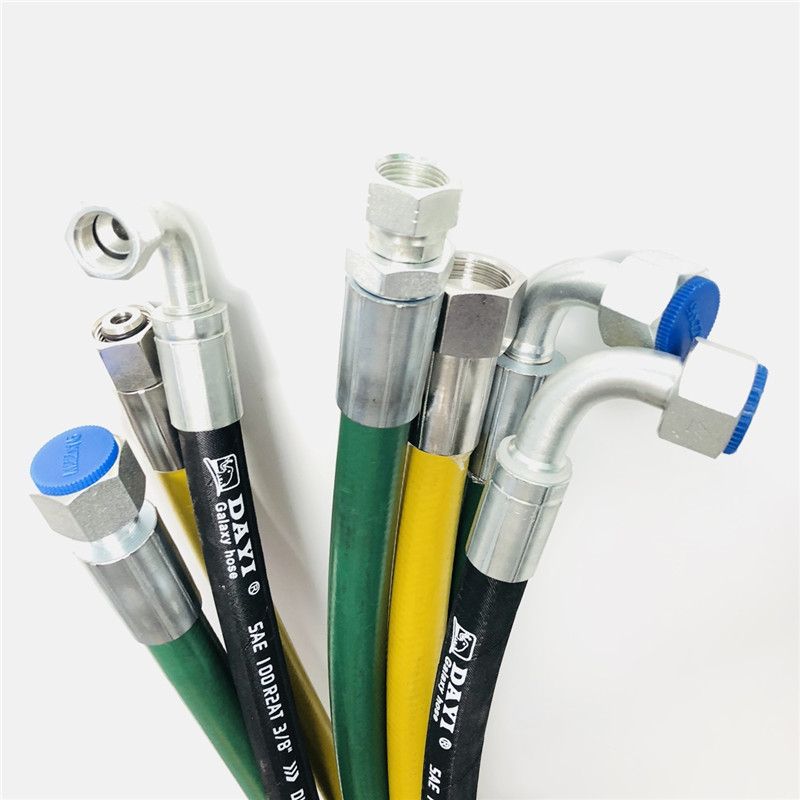
EN 857 2SC hydraulic hoses represent a critical component in fluid power systems across diverse industrial applications. These hoses, manufactured in China to meet the stringent requirements of the European standard EN 857, are specifically categorized as ‘2SC’ indicating two steel wire spiral reinforcements and a synthetic rubber cover. They are integral to conveying hydraulic fluid under high pressure, facilitating the operation of machinery in sectors such as construction, agriculture, mining, and manufacturing. Understanding their construction, performance characteristics, and potential failure modes is crucial for ensuring system reliability, safety, and optimal operational lifespan. This guide provides an in-depth technical overview of China-manufactured EN 857 2SC hydraulic hoses, covering material science, manufacturing processes, performance parameters, failure analysis, and relevant industry standards. The core pain point addressed is the need for consistent quality and adherence to international standards in a competitive global market, mitigating risks associated with substandard hose performance leading to costly downtime and potential safety hazards.
Material Science & Manufacturing
The construction of an EN 857 2SC hydraulic hose begins with the inner tube, typically composed of a specialized oil-resistant synthetic rubber compound – commonly a nitrile rubber (NBR), or in applications requiring broader chemical compatibility, a chloroprene rubber (CR). NBR provides excellent resistance to petroleum-based hydraulic fluids, while CR exhibits improved resistance to ozone, weathering, and a wider range of chemicals. The reinforcement layer consists of two layers of high-tensile steel wire spiraled around the inner tube, providing the necessary pressure resistance. The wire used is typically a spring steel with a high yield strength. The outer cover is constructed from a synthetic rubber, often a blend of chloroprene and other polymers to offer abrasion resistance, weather resistance, and protection against oil and chemical attack. Manufacturing involves a multi-step process: inner tube extrusion, spiral winding of steel wire reinforcement, outer cover extrusion, and final curing. Precise control of extrusion temperatures, wire tension during winding, and curing time/temperature are paramount. Deviation from established parameters can lead to weaknesses in the hose structure. Steel wire surface treatment (e.g., zinc coating) is critical for preventing corrosion between the steel wire and the rubber compound, significantly extending hose life. Quality control includes burst pressure testing, impulse pressure testing, and dimensional inspections to ensure compliance with EN 857 specifications.
Performance & Engineering
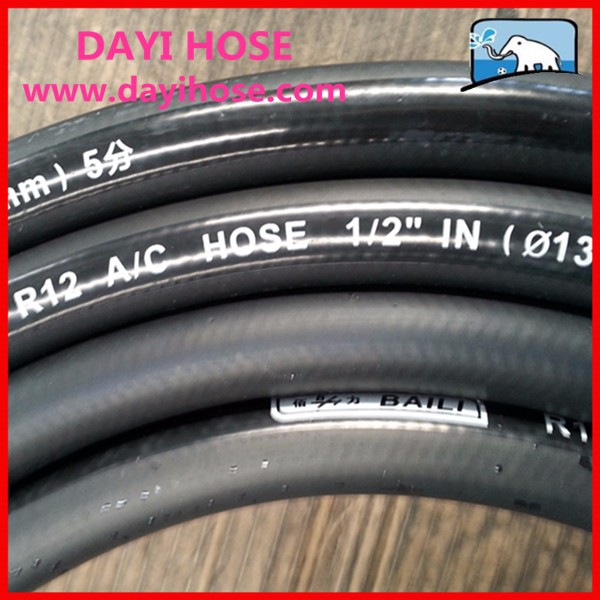
EN 857 2SC hoses are engineered to withstand high pressures and dynamic loading conditions. The primary performance characteristics are defined by burst pressure, working pressure, and impulse pressure resistance. Burst pressure is the pressure at which the hose fails catastrophically, typically four times the working pressure. Working pressure is the maximum continuous operating pressure specified by the manufacturer and dictated by EN 857 standards. Impulse pressure represents the ability of the hose to withstand pressure surges or pulsations without failure. Finite Element Analysis (FEA) is frequently employed during the design phase to optimize hose geometry and reinforcement configuration to maximize pressure resistance and minimize stress concentrations. Consideration must also be given to hose bend radius, as excessive bending can induce stress on the reinforcement layers leading to premature failure. Temperature extremes can significantly impact hose performance; elevated temperatures degrade the rubber compounds, reducing their elasticity and strength, while low temperatures can make the rubber brittle. Compatibility of the hose material with the hydraulic fluid is essential; incompatible fluids can cause swelling, softening, or cracking of the rubber compounds. The hose’s resistance to external abrasion and exposure to chemicals is also a critical engineering consideration, particularly in harsh operating environments.
Technical Specifications
| Parameter | Specification (Typical) | Testing Standard | Unit |
|---|---|---|---|
| Working Pressure | 250 - 420 | EN 857 | bar |
| Burst Pressure | 1000 - 1680 | EN 857 | bar |
| Impulse Pressure (R12) | 600 | SAE J30R12 | bar |
| Temperature Range | -40 to +100 | EN 857 | °C |
| Inner Tube Material | NBR / CR | ASTM D2000 | - |
| Reinforcement | 2 Steel Wire Spiral | EN 857 | - |
| Cover Material | Chloroprene Blend | ASTM D2000 | - |
Failure Mode & Maintenance
Common failure modes in EN 857 2SC hydraulic hoses include burst failure due to exceeding pressure limits, impulse failure from pressure surges, fatigue cracking from repeated bending and flexing, and cover degradation from abrasion, ozone exposure, or chemical attack. Steel wire corrosion, particularly in humid environments, can lead to a gradual reduction in hose strength and eventual failure. Delamination between the rubber layers and the steel wire reinforcement is another frequent issue, often caused by inadequate bonding during manufacturing or fluid incompatibility. To mitigate these risks, regular visual inspections are crucial, looking for signs of cracking, abrasion, swelling, or discoloration. Hose assemblies should be correctly installed with appropriate bend radii and fittings. Hydraulic fluid should be maintained at the correct level and filtered to remove contaminants that can accelerate wear. Periodically checking the fluid for contamination and ensuring proper fluid compatibility with hose materials is essential. Avoid exceeding the specified working pressure and impulse pressure limits. Damaged hoses should be replaced immediately; attempting repairs can compromise hose integrity. Proper storage of hoses in a cool, dry, and dark environment will also prolong their service life. A preventative maintenance schedule that includes hose inspection and replacement based on operational hours or calendar intervals is recommended.
Industry FAQ
Q: What is the significance of the '2SC' designation in EN 857 hydraulic hoses?
A: The '2SC' designation indicates that the hose features two layers of steel wire spiral reinforcement and a synthetic rubber cover. This construction provides a high degree of pressure resistance and durability, making it suitable for demanding hydraulic applications. The ‘S’ signifies steel reinforcement, and the ‘C’ denotes a cover.
Q: How does temperature affect the performance of an EN 857 2SC hose?
A: Extreme temperatures can significantly impact performance. High temperatures cause rubber compounds to degrade, reducing their elasticity and strength. Low temperatures can make the rubber brittle and prone to cracking. The specified temperature range (-40 to +100°C) defines the operating limits within which the hose will maintain its performance characteristics.
Q: What is the role of zinc coating on the steel wire reinforcement?
A: Zinc coating provides a barrier against corrosion between the steel wire and the surrounding rubber compounds. This is critical for preventing weakening of the reinforcement and extending the hose’s lifespan, particularly in humid or corrosive environments. Without zinc coating, galvanic corrosion can rapidly degrade the steel wire.
Q: How do I determine the correct working pressure for my application?
A: The correct working pressure should be determined by considering the maximum system pressure, any potential pressure surges or pulsations, and the temperature range of operation. Always select a hose with a working pressure rating that exceeds the maximum system pressure, with a sufficient safety factor. Refer to the hose manufacturer’s specifications and relevant industry standards.
Q: What are the consequences of using an incompatible hydraulic fluid?
A: Using an incompatible hydraulic fluid can cause the rubber compounds to swell, soften, or crack, leading to a loss of pressure resistance and eventual hose failure. Always verify that the hydraulic fluid is compatible with the hose materials (NBR or CR) before use. Consult fluid compatibility charts provided by the hose manufacturer.
Conclusion
China-manufactured EN 857 2SC hydraulic hoses provide a robust and reliable solution for high-pressure fluid transfer in a multitude of industrial applications. Their performance is fundamentally dictated by the quality of materials, precision of manufacturing processes, and adherence to stringent international standards. Understanding the interplay between material science, engineering principles, and potential failure modes is paramount for ensuring safe and efficient operation.
Continual advancements in rubber compounding technology and manufacturing techniques are driving improvements in hose durability and performance. Prioritizing preventative maintenance, proper installation practices, and careful fluid compatibility selection are critical steps in maximizing the service life and minimizing the risk of failure. Ultimately, selecting a reputable manufacturer committed to quality control and compliance with EN 857 standards is essential for ensuring long-term reliability and minimizing operational costs.