
Apr . 01, 2024 17:55 Back to list
china en 857 2sc hydraulic hose factory Performance Analysis
Introduction
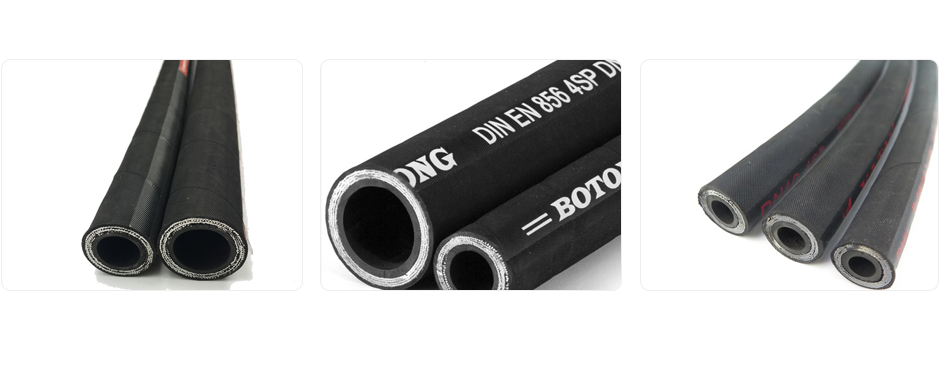
EN 857 2SC hydraulic hose represents a critical component in fluid power systems across numerous industries, including construction, agriculture, mining, and manufacturing. This hose type, manufactured extensively in China, is engineered for the transmission of hydraulic fluid under high pressure. Its designation, '2SC', refers to a specific construction featuring two steel wire reinforcement layers, providing enhanced pressure resistance and durability. Understanding the material science, manufacturing precision, and performance characteristics of these hoses is paramount for ensuring system reliability and operational safety. The global demand for these hoses is driven by the expansion of heavy machinery markets and the increasing complexity of hydraulic systems. China's manufacturing capacity has positioned it as a key supplier, necessitating a thorough understanding of quality control, compliance with international standards, and potential failure modes for end-users and procurement professionals. The core performance metric revolves around burst pressure, impulse pressure, and resistance to hydraulic fluid degradation, all factors heavily influencing the hose's service life and suitability for specific applications.
Material Science & Manufacturing
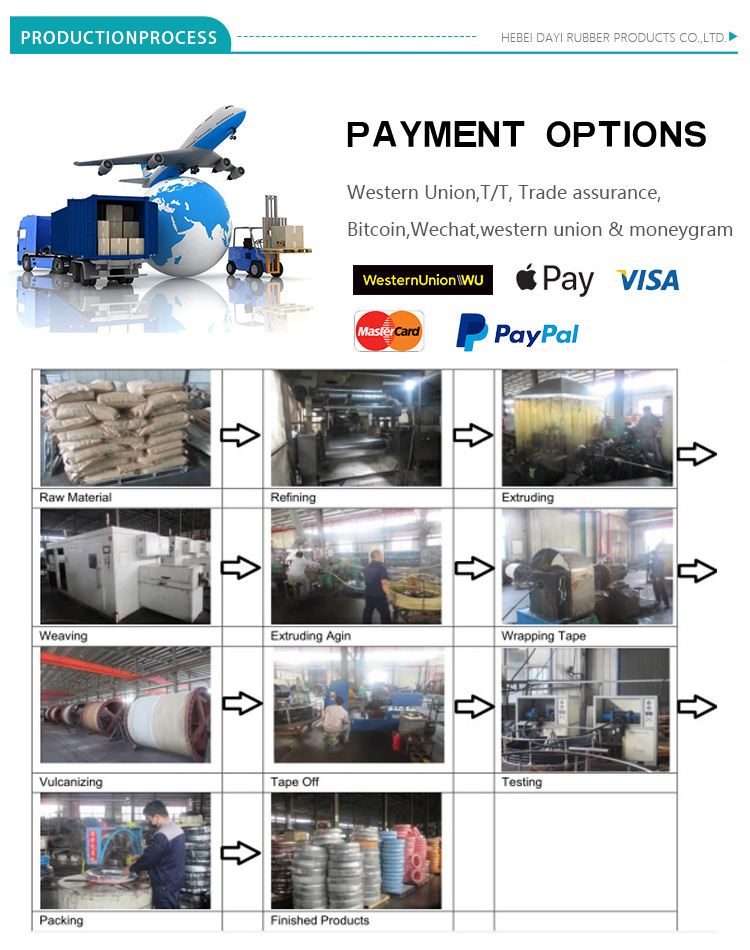
The EN 857 2SC hydraulic hose construction typically begins with an inner tube composed of oil-resistant synthetic rubber, specifically Nitrile Rubber (NBR) or Ethylene Propylene Diene Monomer (EPDM). NBR provides excellent resistance to petroleum-based hydraulic fluids, while EPDM offers superior resistance to heat, ozone, and weathering. The reinforcement layers consist of high-tensile steel wire, precisely spiraled to provide the necessary pressure containment. The number of spirals (two in this case – ‘2SC’) directly correlates with the hose’s maximum working pressure. An outer cover, usually composed of Chloroprene rubber (CR), provides abrasion resistance, protection against environmental factors (UV, ozone, chemicals), and mechanical damage. The manufacturing process involves several critical stages. First, the inner tube is extruded to the specified dimensions. Then, the steel wire reinforcement is applied via a precision winding machine, ensuring consistent pitch and tension. The outer cover is subsequently extruded, bonding with the reinforcement layers to create a cohesive hose structure. Critical parameters controlled during manufacturing include rubber compound formulation (for specific fluid compatibility), wire gauge and tensile strength, extrusion temperature and pressure, and curing time and temperature. Post-production, rigorous testing is conducted to verify burst pressure, impulse pressure, dimensional accuracy, and leakage rates. Quality control focuses on consistent material properties, uniform layer adhesion, and absence of defects like voids or inclusions within the rubber matrix.
Performance & Engineering
The performance of an EN 857 2SC hydraulic hose is fundamentally governed by its ability to withstand internal pressure and external stresses. Force analysis involves calculating hoop stress within the hose wall, considering the internal fluid pressure and the reinforcement layer’s contribution. Impulse pressure testing, simulating pressure surges in hydraulic systems, is crucial for evaluating the hose’s fatigue resistance. The steel wire reinforcement undergoes significant cyclic stress during impulse events, and failure often initiates at points of high stress concentration, such as wire breaks or corrosion pits. Environmental resistance is also paramount; exposure to extreme temperatures, UV radiation, and corrosive fluids can degrade the rubber compounds, reducing the hose's flexibility and increasing its susceptibility to cracking. Compliance with EN 857 standards dictates specific performance requirements, including minimum burst pressure (typically four times the working pressure), minimum impulse cycle life (typically 100,000 cycles), and resistance to specified hydraulic fluids. Functional implementation considerations include hose bend radius – exceeding the minimum bend radius is vital to prevent kinking and premature failure – and proper fitting selection to ensure a leak-proof seal and minimize stress concentrations. Furthermore, the hose's thermal expansion and contraction must be accounted for in system design to prevent excessive stress on connections.
Technical Specifications
| Parameter | Unit | EN 857 2SC Specification | Typical Chinese Manufacturing Range |
|---|---|---|---|
| Working Pressure | MPa | Up to 31.5 | 16 – 35 |
| Burst Pressure | MPa | ≥ 4 x Working Pressure | 64 – 140 |
| Impulse Cycles | Cycles | ≥ 100,000 | 100,000 – 200,000 |
| Temperature Range | °C | -40 to +100 | -40 to +120 |
| Inner Tube Material | - | NBR or EPDM | NBR, EPDM, or CR |
| Reinforcement | - | 2 Steel Wire Spirals | 2 Steel Wire Spirals (High Tensile) |
| Outer Cover Material | - | CR | CR or PU |
Failure Mode & Maintenance
EN 857 2SC hydraulic hoses are susceptible to several failure modes. Fatigue cracking, initiated by repeated pressure cycles and exacerbated by stress concentrations at fittings or defects, is a common cause of failure. Delamination, the separation of reinforcement layers from the rubber matrix, can occur due to inadequate bonding during manufacturing or exposure to harsh chemicals. Degradation of the rubber compounds, caused by heat, ozone, UV radiation, or incompatible hydraulic fluids, leads to loss of flexibility and increased crack propagation. Oxidation within the fluid can also contribute to internal hose degradation. Corrosion of the steel wire reinforcement, particularly in systems with water contamination, significantly reduces the hose's strength and can lead to catastrophic failure. Maintenance practices should include regular visual inspections for signs of cracking, abrasion, or swelling. Fluid analysis should be conducted periodically to identify contamination or degradation. Hose connections should be checked for leaks and proper torque. Avoid exceeding the hose's working pressure or bending it beyond the minimum bend radius. Replace hoses immediately if any signs of damage are detected. Proper storage, protected from UV radiation and extreme temperatures, is essential to prolong service life. A detailed record of hose installation and replacement dates should be maintained for tracking and preventative maintenance.
Industry FAQ
Q: What is the significance of the ‘2SC’ designation and how does it relate to the hose’s pressure rating?
A: The ‘2SC’ designation indicates that the hose features two steel wire spiral reinforcement layers. This directly correlates with its pressure rating. Each additional steel wire layer significantly increases the hose’s ability to withstand internal pressure. EN 857 standards dictate specific requirements for burst pressure based on the number of reinforcement layers, with 2SC hoses typically handling pressures up to 31.5 MPa. The spiral winding configuration maximizes strength and flexibility.
Q: What are the key differences between NBR and EPDM inner tube materials, and when would you choose one over the other?
A: NBR (Nitrile Rubber) offers excellent resistance to petroleum-based hydraulic fluids, making it ideal for most standard hydraulic systems. However, it has limited resistance to ozone, weathering, and heat. EPDM (Ethylene Propylene Diene Monomer) excels in these areas, providing superior performance in outdoor applications or systems operating at higher temperatures. Choose NBR for general hydraulic applications and EPDM for systems exposed to harsh environmental conditions or using phosphate ester fluids.
Q: How does temperature affect the performance and lifespan of an EN 857 2SC hose?
A: Temperature significantly impacts the rubber compounds' elasticity and strength. High temperatures accelerate degradation, reducing flexibility and increasing susceptibility to cracking. Low temperatures can cause the rubber to become brittle, increasing the risk of failure under stress. EN 857 2SC hoses are typically rated for operation between -40°C and +100°C. Operating outside this range can compromise performance and significantly shorten the hose's lifespan.
Q: What are the common causes of impulse failures in hydraulic hoses, and how can they be mitigated?
A: Impulse failures are often caused by pressure surges (hydraulic shock) within the system, leading to cyclic fatigue of the reinforcement wires. Factors contributing to impulse failures include rapid valve closures, pump cavitation, and long hose runs. Mitigation strategies include using accumulators to dampen pressure surges, selecting hoses with a higher impulse cycle rating, ensuring proper fluid maintenance to prevent cavitation, and minimizing hose length.
Q: What is the importance of proper fitting selection, and what types of fittings are typically used with EN 857 2SC hoses?
A: Proper fitting selection is critical to ensure a leak-proof seal and minimize stress concentrations at the connection points. Incorrectly sized or incompatible fittings can lead to premature failure. Common fitting types include crimped fittings, which provide a secure and permanent connection, and field-attachable fittings, offering flexibility for on-site repairs. Fittings must be rated for the hose’s working pressure and compatible with the hydraulic fluid being used.
Conclusion
The EN 857 2SC hydraulic hose remains a fundamental component in a vast array of industrial applications. Its performance is inextricably linked to a deep understanding of material science, meticulous manufacturing control, and adherence to stringent international standards. Proper selection, installation, and maintenance are critical for maximizing service life and ensuring operational safety. Failure to address these factors can lead to costly downtime, equipment damage, and potential safety hazards.
Looking forward, advancements in rubber compound technology and reinforcement materials will likely lead to hoses with improved pressure ratings, temperature resistance, and durability. The increasing adoption of predictive maintenance techniques, including hose condition monitoring, will further enhance reliability and reduce the risk of unexpected failures. Sourcing from reputable manufacturers, coupled with rigorous quality control procedures, remains paramount for ensuring the consistent performance and long-term value of EN 857 2SC hydraulic hoses.