
Apr . 01, 2024 17:55 Back to list
china en 857 2sc hydraulic hose factories Performance Analysis
Introduction
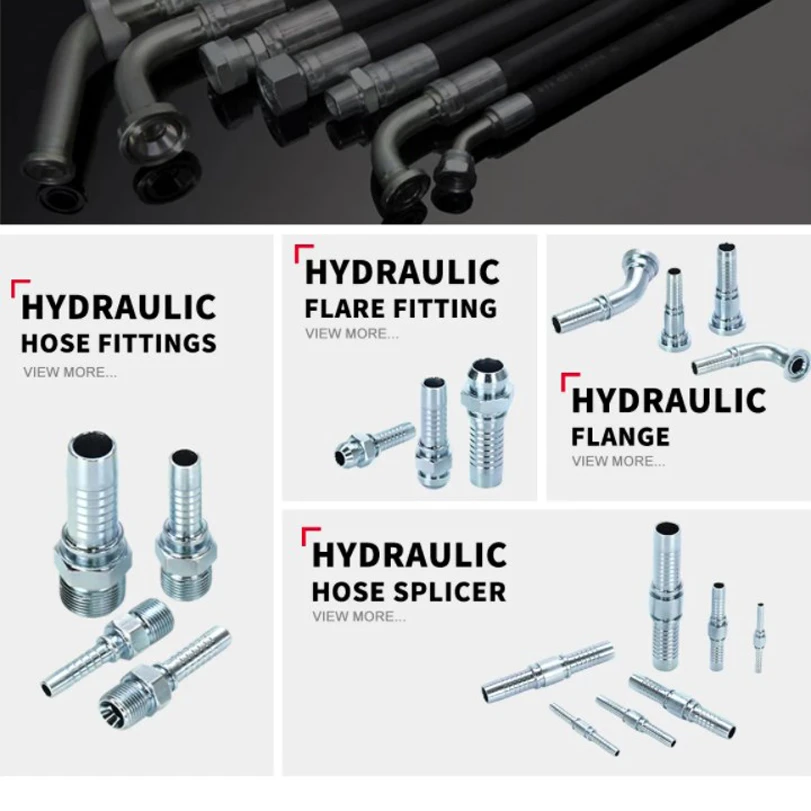
EN 857 2SC hydraulic hoses represent a critical component in fluid power systems across diverse industrial applications. Manufactured extensively in China, these hoses adhere to the European standard EN 857, specifically the 2SC construction, denoting two steel wire reinforcement layers. This technical guide provides an in-depth examination of these hoses, encompassing material science, manufacturing processes, performance characteristics, potential failure modes, and relevant industry standards. The 2SC designation signifies a hose designed for medium-high pressure applications, frequently used in construction machinery, agricultural equipment, and industrial hydraulics. The proliferation of Chinese manufacturers supplying EN 857 2SC hoses has increased global accessibility but necessitates a comprehensive understanding of quality control and compliance verification to ensure optimal performance and safety. The core performance characteristics – pressure resistance, flexibility, and durability – are directly tied to precise material selection and stringent adherence to the EN 857 standard.
Material Science & Manufacturing
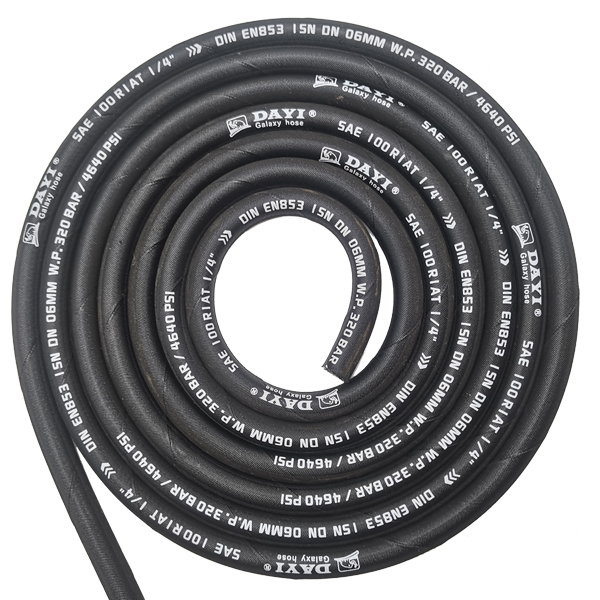
EN 857 2SC hoses are typically constructed from several key materials. The inner tube is commonly composed of Nitrile Rubber (NBR), known for its excellent resistance to petroleum-based fluids. Alternative inner tube materials include Chloroprene Rubber (CR) for enhanced ozone and weathering resistance. The reinforcement layers are comprised of high-tensile steel wire, precisely wound to provide structural integrity and pressure containment. The outer cover is usually a Chloroprene Rubber (CR) blend, offering abrasion resistance, UV protection, and resistance to oil and chemicals. Manufacturing begins with the extrusion of the inner tube to specified dimensions. The steel wire reinforcement is then spirally wound around the inner tube under precise tension control. This tension is critical; insufficient tension compromises burst pressure, while excessive tension can lead to wire fatigue and premature failure. Following reinforcement, the outer cover is extruded, bonding to the reinforcement layers. Crucial parameters include die temperature, screw speed, and cooling rates during extrusion. Post-extrusion, hoses undergo rigorous quality control checks including dimensional inspection, burst pressure testing, and impulse testing as per EN 857 requirements. The quality of the steel wire (tensile strength, yield strength, and surface finish) directly affects the hose’s performance. Similarly, the rubber compound’s formulation (polymer type, filler content, and plasticizer levels) dictates its resistance to fluid degradation and environmental factors.
Performance & Engineering
The performance of EN 857 2SC hoses is dictated by several engineering considerations. Burst pressure, a critical safety parameter, is determined by the steel wire’s tensile strength and winding angle, as well as the rubber compound's adhesion properties. Flexibility, crucial for ease of installation and routing, depends on the hose diameter, reinforcement layer configuration, and rubber compound’s plasticizer content. Impulse testing, simulating pressure pulsations, assesses the hose’s resistance to fatigue failure. Environmental resistance is paramount. Exposure to high temperatures can accelerate rubber degradation, reducing its elasticity and strength. Ozone cracking, a common failure mode, is mitigated by incorporating antioxidants and UV stabilizers into the rubber formulation. Chemical compatibility is another key factor. Exposure to incompatible fluids can cause swelling, softening, or cracking of the inner tube, leading to leakage and system failure. EN 857 2SC hoses are designed to withstand a working pressure range typically between 100 bar and 315 bar, depending on the hose size and manufacturer's specifications. Force analysis considers not only the static pressure but also dynamic loads caused by flow rates, acceleration, and vibration. Compliance with REACH and RoHS regulations ensures the absence of hazardous substances in the hose materials.
Technical Specifications
| Parameter | Unit | Typical Value (DN20/SAE 100 R2 Equivalent) | Testing Standard |
|---|---|---|---|
| Working Pressure | bar | 200 | EN 857 |
| Burst Pressure | bar | 800 | EN 857 |
| Inner Tube Material | - | NBR | ASTM D2000 |
| Reinforcement | Layers | 2 Steel Wire | EN 857 |
| Outer Cover Material | - | CR | ASTM D2000 |
| Temperature Range | °C | -40 to +100 | EN 857 |
Failure Mode & Maintenance
Common failure modes for EN 857 2SC hoses include burst failure due to exceeding the working pressure, pinhole leaks caused by abrasion or damage to the outer cover, and hose kinking resulting from excessive bending radius. Fatigue cracking can occur in the steel wire reinforcement due to prolonged exposure to pressure pulsations and vibration. Rubber degradation, accelerated by heat, ozone, and chemical exposure, leads to hardening, cracking, and loss of elasticity. Delamination, the separation of reinforcement layers, is often caused by improper bonding during manufacturing or exposure to incompatible fluids. Oxidation of the steel wire, leading to corrosion and reduced strength, can occur in humid environments. Preventive maintenance is crucial. Regular visual inspections should be conducted to identify signs of damage, such as cuts, abrasions, and cracks. Hoses should be replaced if any damage is detected. Proper routing and support are essential to prevent kinking and abrasion. Fluid compatibility must be verified to avoid degradation of the inner tube. Avoid exceeding the specified working pressure and temperature limits. Proper storage conditions (cool, dry, and dark) can extend the hose’s service life. Periodic impulse testing can help identify hoses nearing the end of their fatigue life.
Industry FAQ
Q: What is the significance of the "2SC" designation in EN 857 hoses?
A: The "2SC" designation indicates that the hose utilizes two steel wire spiral reinforcement layers. This construction provides a balance between flexibility and pressure resistance, making it suitable for medium to high-pressure hydraulic systems. The 'S' designates steel reinforcement, and 'C' specifies spiral winding.
Q: How do Chinese manufacturers ensure compliance with the EN 857 standard?
A: Reputable Chinese manufacturers employ rigorous quality control systems, including material certification, in-process inspection, and final product testing according to EN 857 specifications. Independent third-party certification by organizations like TÜV or SGS provides additional assurance of compliance. Verification of the manufacturer’s quality management system (ISO 9001) is also important.
Q: What is the impact of fluid compatibility on hose lifespan?
A: Incompatibility between the hydraulic fluid and the hose’s inner tube material can cause swelling, softening, or cracking, significantly reducing the hose’s lifespan and potentially leading to failure. It’s crucial to verify that the hose material is compatible with the specific hydraulic fluid being used.
Q: What are the primary causes of hose fatigue failure?
A: Fatigue failure is primarily caused by prolonged exposure to pressure pulsations and vibration. The repeated flexing of the hose weakens the steel wire reinforcement and rubber compound over time. Proper hose routing, support, and the use of pulsation dampeners can help mitigate fatigue failure.
Q: What preventative maintenance practices are recommended for EN 857 2SC hydraulic hoses?
A: Recommended practices include regular visual inspections for damage, proper hose routing and support, verification of fluid compatibility, adherence to specified pressure and temperature limits, and periodic impulse testing. Replacing hoses at recommended intervals, even if no visible damage is present, is also a proactive maintenance strategy.
Conclusion
EN 857 2SC hydraulic hoses are critical components in numerous hydraulic systems, demanding meticulous attention to material science, manufacturing processes, and performance characteristics. The increasing prevalence of Chinese manufacturers necessitates a thorough understanding of quality control and compliance verification to ensure the reliability and safety of these hoses. Proper selection, installation, and maintenance are paramount to maximizing service life and preventing premature failure.
Looking ahead, advancements in rubber compound technology and steel wire manufacturing will continue to enhance the performance and durability of EN 857 2SC hoses. Greater emphasis on sustainable materials and manufacturing processes will also drive innovation in this industry. By adhering to established standards and best practices, users can ensure the optimal performance and longevity of these essential hydraulic components.