
Apr . 01, 2024 17:55 Back to list
china double fiber braid hydraulic hose supplier Performance Analysis
Introduction
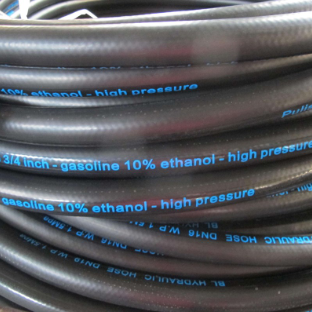
Double fiber braid hydraulic hose represents a critical component in fluid power systems across numerous industries, including construction, agriculture, manufacturing, and automotive. These hoses are engineered to convey hydraulic fluid under high pressure, facilitating the transmission of power. Chinese manufacturers have become significant global suppliers, offering competitive pricing and increasingly sophisticated production capabilities. This guide details the material science, manufacturing processes, performance characteristics, potential failure modes, and maintenance procedures specific to double fiber braid hydraulic hose produced by china double fiber braid hydraulic hose supplier. The defining characteristic of this hose type is the dual layer of high-tensile fiber braid reinforcement, enhancing pressure resistance and durability compared to single-braid or non-reinforced hose. Understanding these aspects is paramount for procurement managers, engineers, and maintenance personnel to ensure optimal system performance and safety. Core performance centers around burst pressure, working pressure, temperature range, and fluid compatibility, all tightly regulated by international standards.
Material Science & Manufacturing
The construction of double fiber braid hydraulic hose relies on a carefully selected combination of materials. The inner tube is typically composed of oil-resistant synthetic rubber compounds, most commonly nitrile rubber (NBR), known for its compatibility with petroleum-based hydraulic fluids. Alternative materials like chlorinated polyethylene rubber (CM) or ethylene propylene diene monomer (EPDM) are used for specialized applications requiring resistance to specific fluids or extreme temperatures. The reinforcement layers consist of high-tensile strength fibers, traditionally steel wire but increasingly utilizing synthetic fibers like aramid (Kevlar) or polyester. The outer cover is typically a synthetic rubber blend offering abrasion, ozone, and weathering resistance.
Manufacturing involves several critical stages. The inner tube is extruded through a die to achieve the desired bore and wall thickness. The fiber braid is then applied in a precisely wound pattern using automated braiding machines. This double-braiding process is key; each layer is wound with opposing helix angles to neutralize torsional forces and maintain dimensional stability under pressure. The braid tension is a critical parameter, directly influencing burst pressure. Following braiding, the hose assembly undergoes curing, a vulcanization process involving heat and pressure to cross-link the rubber compounds, enhancing their elasticity and strength. Finally, the outer cover is extruded and cured, completing the hose assembly. Quality control measures at each stage include dimensional checks, pressure testing (hydrostatic testing), and material composition analysis. Parameter control focuses on maintaining consistent rubber compound formulation, precise braid tension, accurate curing times and temperatures, and strict adherence to dimensional tolerances.
Performance & Engineering
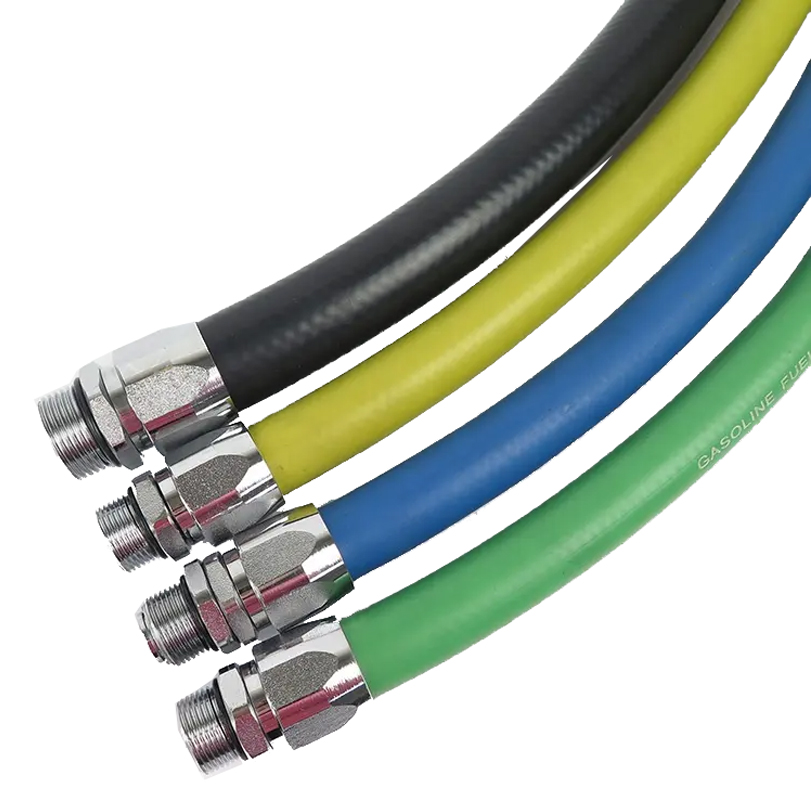
The performance of double fiber braid hydraulic hose is dictated by several engineering considerations. Burst pressure, the maximum pressure the hose can withstand before failure, is a primary performance metric, determined by the material strength, braid construction, and hose diameter. Working pressure, typically 50-70% of burst pressure, represents the safe operating pressure. Temperature range is critical, as both high and low temperatures can degrade rubber compounds, reducing flexibility and increasing the risk of failure. Fluid compatibility is also crucial; incompatible fluids can cause swelling, softening, or cracking of the inner tube.
Force analysis involves calculating hoop stress (stress in the hose wall due to internal pressure) and longitudinal stress (stress along the hose length). These stresses are directly related to pressure, diameter, and wall thickness. Environmental resistance considerations include exposure to ozone, UV radiation, abrasion, and chemical spills. Compliance requirements vary by region and application. For example, SAE J517 (USA), EN 856 (Europe), and GB/T 3686 (China) specify performance standards for hydraulic hose. The selection of hose construction must align with the application’s specific pressure, temperature, fluid type, and environmental conditions. Proper hose assembly, including the correct selection and installation of fittings, is equally important to ensure leak-free operation and prevent premature failure.
Technical Specifications
| Parameter | Unit | Specification (Typical) | Testing Standard |
|---|---|---|---|
| Working Pressure | MPa | 20 - 35 | SAE J517 |
| Burst Pressure | MPa | 60 - 105 | SAE J517 |
| Temperature Range | °C | -40 to +100 | SAE J517 |
| Inner Tube Material | - | NBR (Nitrile Rubber) | ASTM D2000 |
| Reinforcement | - | Double Fiber Braid (Aramid/Polyester) | SAE J517 |
| Outer Cover Material | - | Synthetic Rubber (EPDM) | ASTM D2000 |
Failure Mode & Maintenance
Double fiber braid hydraulic hose is susceptible to several failure modes. Fatigue cracking, resulting from repeated pressure cycles, is a common issue, particularly in applications with high-frequency pulsations. Delamination, the separation of the reinforcement layers from the inner tube or outer cover, can occur due to poor adhesion or exposure to harsh chemicals. Degradation of the rubber compounds due to ozone, UV radiation, or extreme temperatures can lead to cracking and reduced flexibility. Oxidation of the hydraulic fluid can also contribute to hose degradation. Abrasion, caused by contact with abrasive surfaces, can damage the outer cover, exposing the reinforcement layers. Fitting failures, such as leaks or corrosion, can also lead to hose failure.
Preventive maintenance is crucial for extending hose life. Regular visual inspections should be conducted to identify signs of cracking, abrasion, or swelling. Hose should be replaced if any damage is detected. Hydraulic fluid should be regularly analyzed for contamination and oxidation. Proper hose routing and support are essential to prevent excessive bending, twisting, and abrasion. Avoid sharp bends and ensure adequate clearance from hot surfaces. When replacing hoses, always use compatible fittings and follow the manufacturer's recommended installation procedures. Proper torqueing of fittings is critical to prevent leaks and ensure a secure connection. Documenting hose replacement and maintenance schedules is essential for tracking performance and identifying potential problems.
Industry FAQ
Q: What is the primary advantage of double fiber braid hose over single braid?
A: The primary advantage is significantly increased pressure capacity and enhanced fatigue resistance. The dual braid construction provides greater hoop strength, allowing it to withstand higher operating pressures and more frequent pressure cycles without failure. This translates to a longer service life and reduced risk of catastrophic failure.
Q: How does temperature affect the performance of hydraulic hose?
A: Both high and low temperatures can negatively impact hose performance. High temperatures can cause rubber compounds to soften and lose elasticity, reducing their ability to contain pressure. Low temperatures can cause rubber to become brittle and crack. Exceeding the specified temperature range can drastically shorten hose life and increase the risk of failure.
Q: What type of hydraulic fluid is compatible with NBR inner tubes?
A: NBR inner tubes are generally compatible with petroleum-based hydraulic fluids, including mineral oils and synthetic hydraulic fluids. However, they are not compatible with phosphate ester-based fluids, which can cause the NBR to swell and degrade. Always verify fluid compatibility before use.
Q: What are the key considerations when selecting fittings for hydraulic hose?
A: Fittings must be compatible with the hose type, size, and pressure rating. They should also be constructed from materials that are compatible with the hydraulic fluid. Proper crimping or swaging of the fittings onto the hose is critical to ensure a leak-free and secure connection. Using incorrect fittings or improper installation techniques can lead to premature failure.
Q: How often should hydraulic hoses be inspected and replaced?
A: Regular visual inspections should be conducted at least monthly, or more frequently in demanding applications. Hoses should be replaced immediately if any signs of damage, such as cracks, abrasions, swelling, or leaks, are detected. A proactive replacement schedule based on operating hours or calendar time is also recommended.
Conclusion
Double fiber braid hydraulic hose is a critical component in numerous industrial applications, demanding a comprehensive understanding of its material science, manufacturing processes, and performance characteristics. The selection of appropriate hose construction, coupled with meticulous installation and regular maintenance, are paramount for ensuring reliable operation and minimizing the risk of failure. The capabilities of china double fiber braid hydraulic hose supplier are rapidly evolving, offering increasingly competitive and high-quality solutions to meet global demand.
Future advancements in hydraulic hose technology are likely to focus on the development of more durable and chemically resistant materials, as well as the incorporation of smart sensors for real-time monitoring of hose condition. Optimizing hose routing and implementing predictive maintenance strategies will further enhance system reliability and reduce downtime. Continued adherence to international standards and best practices is essential for ensuring the safety and performance of hydraulic systems.