
Apr . 01, 2024 17:55 Back to list
china double fiber braid hydraulic hose manufacturer Performance Analysis
Introduction
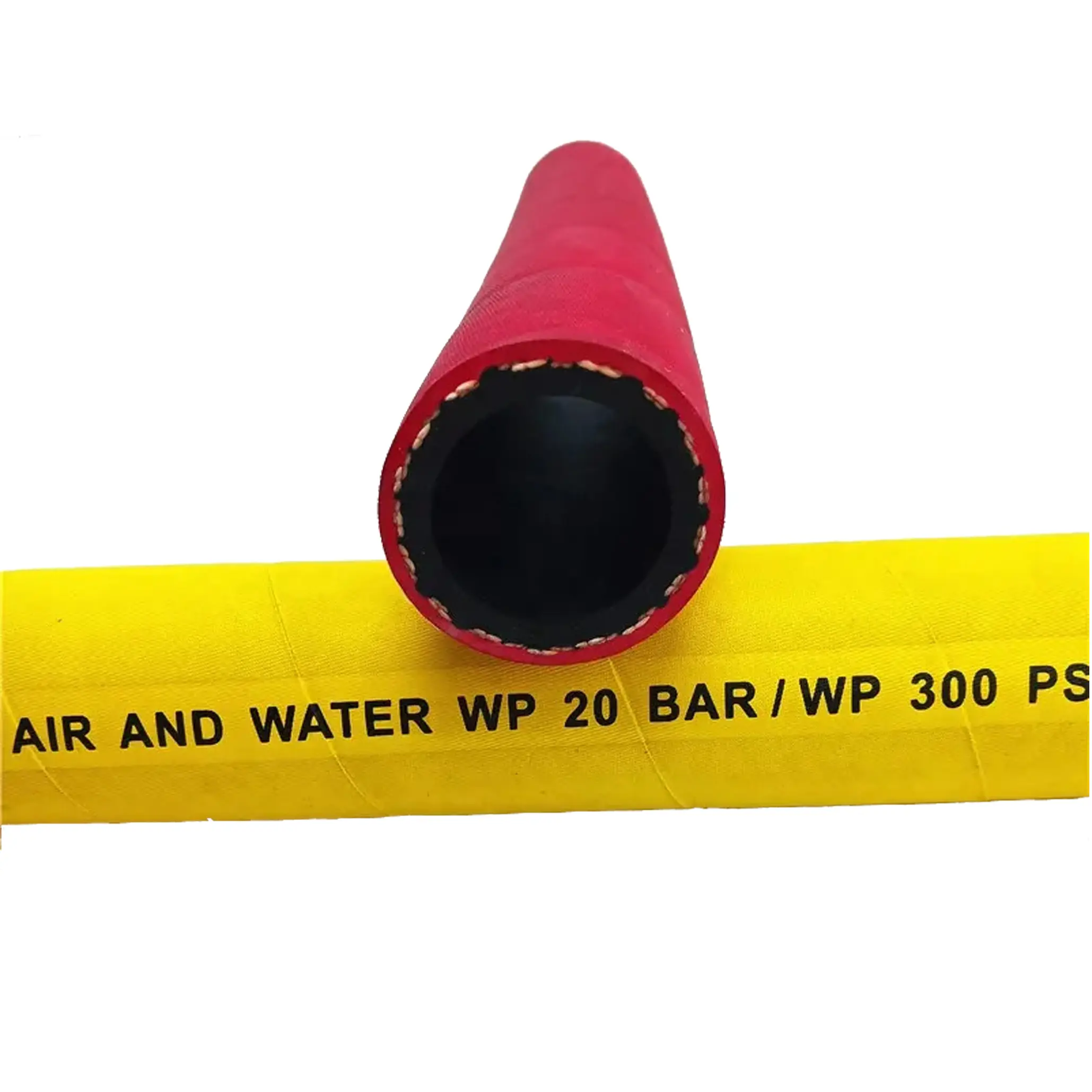
Double fiber braid hydraulic hose constitutes a critical component in fluid power systems across diverse industries including construction, agriculture, manufacturing, and automotive. Manufactured by china double fiber braid hydraulic hose manufacturer, these hoses are engineered to reliably transmit hydraulic fluid under high pressure, facilitating the operation of heavy machinery and equipment. The technical position within the industry chain is as a final assembly component, reliant on high-quality synthetic rubber compounds for the inner tube, reinforcing layers of braided fiber (typically polyester and steel), and a robust outer cover providing abrasion and environmental protection. Core performance characteristics encompass pressure rating, temperature resistance, flexibility, and resistance to fluid compatibility issues. Failure in these hoses can lead to system downtime, fluid leakage, and potential safety hazards, making quality control and adherence to industry standards paramount. This guide provides an in-depth examination of the material science, manufacturing processes, performance parameters, failure modes, and maintenance procedures relevant to these hydraulic hoses.
Material Science & Manufacturing
The construction of a double fiber braid hydraulic hose begins with the selection of appropriate raw materials. The inner tube is commonly composed of a synthetic rubber compound, typically nitrile rubber (NBR) for petroleum-based fluids, or ethylene propylene diene monomer (EPDM) for phosphate ester fluids, chosen based on fluid compatibility. These rubbers exhibit characteristics such as high tensile strength, elongation at break, and resistance to swelling in the target hydraulic fluid. The reinforcing layers consist of two braids – a steel wire braid providing high pressure capacity and a synthetic fiber (usually polyester) braid imparting flexibility and bend radius capability. Steel wire is selected for its high tensile strength and modulus of elasticity, while polyester offers excellent fatigue resistance and dimensional stability. The outer cover employs a synthetic rubber compound like chloroprene rubber (CR) providing resistance to abrasion, ozone, weathering, and oil penetration.
Manufacturing involves a multi-step process. First, the inner tube is extruded through a die to achieve the desired inner diameter and wall thickness. The steel and polyester braids are then applied simultaneously, spiraling around a mandrel. Precise tension control during braiding is crucial to ensure uniform pressure distribution and prevent localized stress concentrations. Following braiding, the outer cover is extruded over the braided layers. Curing, a vulcanization process involving heat and pressure, crosslinks the rubber polymers, enhancing their mechanical properties. Key parameters controlled during manufacturing include rubber compound viscosity, braiding angle, braid tension, curing temperature, and curing time. Post-curing, the hose undergoes stringent quality control testing, including pressure testing to burst pressure, impulse testing to assess fatigue life, and dimensional checks to ensure conformance to specifications.
Performance & Engineering
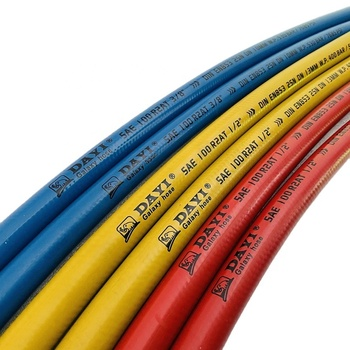
The performance of a double fiber braid hydraulic hose is fundamentally governed by its ability to withstand internal pressure without failure. This is directly related to the tensile strength of the reinforcing braids and the elongation properties of the inner tube. Force analysis reveals that the internal pressure generates hoop stress in the hose wall. The steel braid primarily resists this hoop stress, while the polyester braid contributes to flexibility. The hose must also resist external damage such as abrasion, impact, and crushing. The outer cover material is selected to provide adequate protection against these environmental factors. Temperature resistance is critical; extreme temperatures can degrade the rubber compounds, reducing their elasticity and leading to premature failure. Hydraulic hoses are often subjected to dynamic loading, including pressure pulsations and vibrations, which can induce fatigue cracking. Impulse testing, simulating these dynamic conditions, is crucial for evaluating hose durability.
Compliance requirements are dictated by international standards (discussed in the footer). These standards specify minimum pressure ratings, temperature ranges, and testing procedures. Functional implementation involves proper hose routing, fitting selection, and installation. Incorrect routing can cause kinking, leading to flow restriction and localized stress. Using improperly sized or incompatible fittings can result in leakage or hose blow-out. Bend radius considerations are also essential; exceeding the minimum bend radius can damage the reinforcing braids, compromising hose integrity. The hose’s ability to maintain its pressure rating over extended service life is a significant engineering challenge, requiring careful material selection, precise manufacturing control, and appropriate operating conditions.
Technical Specifications
| Parameter | Unit | Specification (Typical) | Test Standard |
|---|---|---|---|
| Working Pressure | MPa | 20 - 35 | SAE J517 |
| Burst Pressure | MPa | 60 - 105 | SAE J517 |
| Temperature Range | °C | -40 to +100 | SAE J517 |
| Inner Tube Material | - | NBR or EPDM | ASTM D2000 |
| Reinforcement | - | 2 Steel Wire Braid + 1 Polyester Braid | SAE J517 |
| Outer Cover Material | - | CR | ASTM D2000 |
Failure Mode & Maintenance
Common failure modes in double fiber braid hydraulic hoses include fatigue cracking, particularly at the crimp connections or areas of high flexure. This is caused by repeated pressure pulsations and bending stresses. Another frequent failure is abrasion of the outer cover, which can expose the reinforcing braids to corrosion and damage. Internal degradation of the rubber compounds due to chemical attack from incompatible fluids or prolonged exposure to high temperatures can also lead to failure. Oxidation of the rubber materials, particularly in the outer cover, can cause hardening and cracking. Delamination between the rubber layers and the reinforcing braids can occur due to inadequate bonding during manufacturing or exposure to extreme conditions.
Preventative maintenance is crucial. Regular visual inspections should be conducted to identify signs of abrasion, cracking, or leakage. Hose routing should be optimized to minimize bending and kinking. Fluid compatibility must be verified before use. Hoses should be replaced at scheduled intervals or when signs of damage are detected. Proper storage is essential; hoses should be stored in a cool, dry place away from direct sunlight and ozone sources. When replacing a hose, it’s critical to use compatible fittings and follow proper crimping procedures. Crimping should be performed by trained personnel using calibrated equipment. Periodic pressure testing can help identify hoses that are nearing the end of their service life. Detailed records of hose installations, inspections, and replacements should be maintained for traceability and performance analysis.
Industry FAQ
Q: What is the primary difference between a single wire braid hose and a double fiber braid hose in terms of performance?
A: A double fiber braid hose, incorporating both steel wire and synthetic fiber braids, generally offers superior performance characteristics compared to a single wire braid hose. The addition of the fiber braid significantly enhances flexibility and bend radius capability while maintaining high pressure ratings provided by the steel wire braid. This makes it suitable for applications requiring frequent movement or tight routing where a single wire braid hose might be prone to kinking or fatigue failure.
Q: How does fluid compatibility affect the lifespan of a hydraulic hose?
A: Fluid compatibility is paramount. Incompatible fluids can cause the inner tube material to swell, soften, or degrade, leading to leakage and premature failure. For instance, using a hose with an NBR inner tube with phosphate ester fluids will result in rapid degradation. Selecting a hose with an inner tube material specifically designed for the intended fluid is crucial.
Q: What are the critical considerations when selecting fittings for a double fiber braid hose?
A: Fittings must be appropriately sized and rated for the hose's working pressure and temperature range. The fitting material must be compatible with both the hose and the hydraulic fluid. Furthermore, the crimping process must be precise to ensure a leak-proof seal. Using incorrect fittings or improper crimping can significantly reduce hose life and create safety hazards.
Q: What is the significance of impulse testing, and how does it relate to hose durability?
A: Impulse testing simulates the effects of pressure pulsations and vibrations commonly encountered in hydraulic systems. It assesses the hose's resistance to fatigue cracking caused by these dynamic loads. A hose that passes rigorous impulse testing is more likely to withstand prolonged use in demanding applications and exhibit a longer service life.
Q: What preventative maintenance procedures are recommended for maximizing the lifespan of hydraulic hoses?
A: Regular visual inspections for abrasion, cracking, and leakage are essential. Proper hose routing to minimize bending and kinking is critical. Maintaining clean hydraulic fluid and ensuring fluid compatibility are also important. Scheduled hose replacements based on operating conditions and usage patterns, alongside thorough documentation of maintenance activities, will maximize lifespan and minimize unexpected failures.
Conclusion
Double fiber braid hydraulic hoses manufactured by china double fiber braid hydraulic hose manufacturer represent a sophisticated engineering solution for fluid power transmission. Their performance is inextricably linked to the careful selection of materials – synthetic rubbers for fluid compatibility and flexibility, and steel and polyester braids for pressure resistance and bend capability. Precise manufacturing processes, emphasizing control over extrusion, braiding, and curing parameters, are vital for ensuring product reliability. Understanding the potential failure modes, including fatigue cracking, abrasion, and chemical degradation, is crucial for implementing effective preventative maintenance strategies.
Ultimately, the longevity and safe operation of these hoses depend on a holistic approach encompassing proper specification, installation, operation, and maintenance. Adherence to relevant international standards, coupled with rigorous quality control, is paramount. Continued advancements in rubber technology and braiding techniques promise to further enhance the performance and durability of double fiber braid hydraulic hoses, addressing the evolving needs of diverse industrial applications.