
Apr . 01, 2024 17:55 Back to list
china double fiber braid hydraulic hose factory Performance Analysis

Introduction
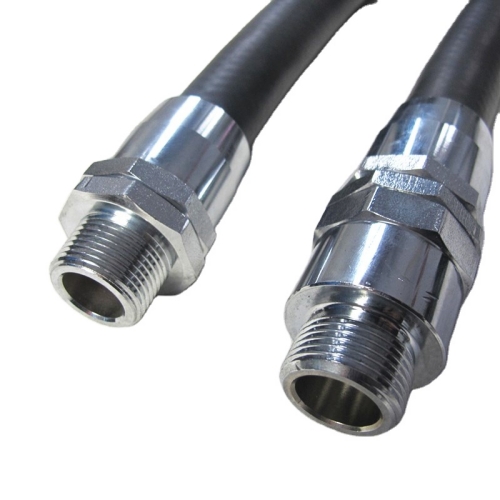
Double fiber braid hydraulic hose represents a critical component in fluid power systems across diverse industries including construction, agriculture, manufacturing, and oil & gas. These hoses are engineered to convey hydraulic fluid under high pressure, facilitating the operation of hydraulic machinery. Their construction, featuring an inner tube, reinforcement layers of braided high-tensile steel wire, and an outer cover, determines their performance characteristics and operational lifespan. The prevalence of China-based manufacturing in this sector stems from a combination of competitive pricing, established industrial capacity, and increasingly stringent quality control measures. This guide provides an in-depth technical overview of double fiber braid hydraulic hoses manufactured in China, focusing on material science, manufacturing processes, performance parameters, failure modes, and relevant industry standards. A key industry pain point is ensuring consistent performance and longevity, especially considering variations in fluid compatibility and operating conditions. Furthermore, understanding compliance with international safety regulations is paramount for both manufacturers and end-users.
Material Science & Manufacturing
The core components of a double fiber braid hydraulic hose dictate its performance. The inner tube is typically constructed from nitrile rubber (NBR), known for its excellent resistance to petroleum-based hydraulic fluids. However, specialized applications may employ other elastomers like chloroprene (CR) for improved ozone and weathering resistance, or fluorocarbon rubber (FKM/Viton) for high-temperature and aggressive fluid compatibility. The reinforcing braids, usually two layers, are comprised of high-strength steel wire, typically drawn to precise tolerances. Wire surface treatment (e.g., galvanization or passivation) is crucial for preventing corrosion and ensuring adequate adhesion to the rubber matrix. The outer cover is generally made of CR, offering protection against abrasion, weathering, ozone, and oil exposure. Manufacturing commences with the extrusion of the inner tube, followed by the application of adhesive bonding agents to promote adhesion between the rubber and steel reinforcement. The steel wire is then braided around the inner tube using specialized braiding machines, carefully controlling braid angle and tension. Subsequent extrusion of the outer cover completes the hose assembly. Key parameter control during manufacturing includes precise temperature and pressure regulation during extrusion, consistent wire tension during braiding, and thorough curing processes to optimize rubber properties. The curing process—typically involving heat and pressure—is vital for achieving the desired cross-linking density in the rubber, directly influencing its strength, elasticity, and fluid resistance. Variations in material composition (e.g., filler content in the rubber) and curing parameters significantly impact the hose’s ultimate performance.
Performance & Engineering
The performance of a double fiber braid hydraulic hose is largely governed by its ability to withstand internal pressure, external pressure, and dynamic bending. Burst pressure, a critical performance metric, is determined by the tensile strength of the steel wire and the integrity of the rubber-steel adhesion. Hose manufacturers employ rigorous testing protocols, including hydrostatic testing, to verify burst pressure specifications. External pressure resistance is influenced by the hose's construction and the stiffness of its outer cover. Excessive external pressure can cause the hose to collapse, restricting fluid flow. Dynamic bending performance—resistance to fatigue cracking under repeated flexing—is particularly important in applications involving mobile equipment. Finite element analysis (FEA) is frequently used during the design phase to optimize hose geometry and reinforcement configuration for improved bending fatigue life. Compliance requirements, such as those stipulated by SAE J517 (USA) and EN 856 (Europe), dictate minimum performance standards for hydraulic hoses. These standards address burst pressure, pressure drop, and dimensional accuracy. Furthermore, considerations of fluid compatibility are paramount; selecting a hose material that resists degradation from the specific hydraulic fluid is crucial for preventing premature failure. The operating temperature range of the hose must also be considered, as extreme temperatures can affect rubber elasticity and lead to reduced performance.
Technical Specifications
| Parameter | Unit | Typical Value (China Manufacture) | Standard (SAE J517) |
|---|---|---|---|
| Working Pressure | MPa | 20-35 | Up to 35 |
| Burst Pressure | MPa | 60-105 | 3x Working Pressure (Minimum) |
| Inner Tube Material | - | NBR (Nitrile Rubber) | NBR, CR, EPDM |
| Reinforcement | - | Two Steel Wire Braids | Single or Multiple Steel Wire Braids |
| Outer Cover Material | - | CR (Chloroprene Rubber) | CR, NBR |
| Temperature Range | °C | -40 to +100 | -40 to +121 |
Failure Mode & Maintenance
Failure modes in double fiber braid hydraulic hoses are diverse, often stemming from a combination of factors. Fatigue cracking, particularly in the reinforcement braids, is a common failure mechanism in applications involving repeated bending. This occurs due to cyclical stress exceeding the material’s fatigue limit. Delamination—separation of the rubber from the steel reinforcement—can result from inadequate adhesion or exposure to aggressive fluids. Degradation of the rubber material, caused by ozone, UV exposure, or chemical attack, leads to loss of elasticity and eventual cracking. Oxidation of the steel wire, particularly in corrosive environments, weakens the reinforcement and increases susceptibility to fracture. Pinholes and leaks in the inner tube can occur due to abrasion from fluid particles or defects in the rubber matrix. Preventive maintenance is crucial for extending hose lifespan. Regular visual inspections should be conducted to identify signs of wear, cracking, or abrasion. Hose routing should be carefully planned to minimize bending stress and avoid contact with sharp objects. Proper fluid filtration is essential for removing abrasive particles and preventing internal damage. Hose assemblies should be periodically replaced according to manufacturer recommendations or based on operating conditions. When replacing a hose, ensure compatibility with the hydraulic fluid and operating pressure.
Industry FAQ
Q: What is the significance of the braid angle in a double fiber braid hose?
A: The braid angle directly impacts the hose’s pressure-withstanding capability and flexibility. A steeper braid angle provides higher burst pressure, but reduces flexibility, making it more susceptible to fatigue cracking under bending. A shallower angle increases flexibility but compromises pressure capacity. Manufacturers carefully balance these factors based on the intended application.
Q: How does temperature affect the performance of a hydraulic hose?
A: High temperatures can degrade the rubber material, reducing its elasticity and strength, and accelerating the rate of oxidation. Low temperatures can cause the rubber to become brittle and prone to cracking. Exceeding the specified temperature range significantly reduces the hose’s service life.
Q: What is the role of the adhesive between the rubber and steel wire?
A: The adhesive is critical for ensuring a strong bond between the rubber and steel reinforcement, preventing delamination under pressure. A weak bond can lead to premature failure, even if the individual materials are strong.
Q: How important is fluid compatibility when selecting a hydraulic hose?
A: Fluid compatibility is paramount. Incompatible fluids can cause the rubber material to swell, soften, or degrade, leading to leaks and failure. It’s essential to choose a hose material specifically designed for the intended hydraulic fluid.
Q: What steps can be taken to minimize hose fatigue failure?
A: Minimize bending radius, avoid sharp turns, ensure proper hose routing to reduce stress concentrations, use flexible couplings, and select hoses with appropriate bend radius ratings. Regular inspection for signs of wear is also vital.
Conclusion
Double fiber braid hydraulic hoses manufactured in China represent a significant component within the global fluid power industry. Their performance is intricately linked to material selection, manufacturing precision, and adherence to stringent quality control measures. Understanding the interplay between the inner tube material, steel wire reinforcement, and outer cover is essential for optimizing hose durability and reliability. Consistent evaluation against industry standards like SAE J517 and EN 856 is crucial for ensuring safety and performance.
Looking forward, ongoing advancements in rubber technology and steel wire manufacturing will likely lead to improved hose performance and extended service life. Continued focus on quality assurance and process optimization within Chinese manufacturing facilities will further enhance the competitiveness of these products in the global market. Addressing industry pain points, such as inconsistent quality and long lead times, will require sustained investment in research and development, as well as enhanced supply chain management.