
Apr . 01, 2024 17:55 Back to list
china dayco hydraulic hose supplier Performance Engineering
Introduction
Hydraulic hoses manufactured by China Dayco suppliers represent a critical component in fluid power systems across diverse industrial applications, including construction equipment, agricultural machinery, material handling, and manufacturing processes. These hoses are engineered to reliably transmit hydraulic fluid under high pressure, facilitating the operation of actuators and motors. Their technical position within the industrial chain lies between the hydraulic pump/reservoir and the hydraulic cylinder/motor, demanding robust construction and adherence to stringent performance specifications. Core performance characteristics center around pressure rating, burst pressure, temperature resistance, fluid compatibility, and resistance to abrasion and environmental degradation. A key industry pain point is ensuring consistent quality control across diverse suppliers and mitigating the risk of premature hose failure leading to costly downtime and potential safety hazards. Furthermore, increasingly complex hydraulic systems demand hoses with specialized properties, like enhanced flexibility for tight routing or resistance to specific chemical additives within the hydraulic fluid.
Material Science & Manufacturing
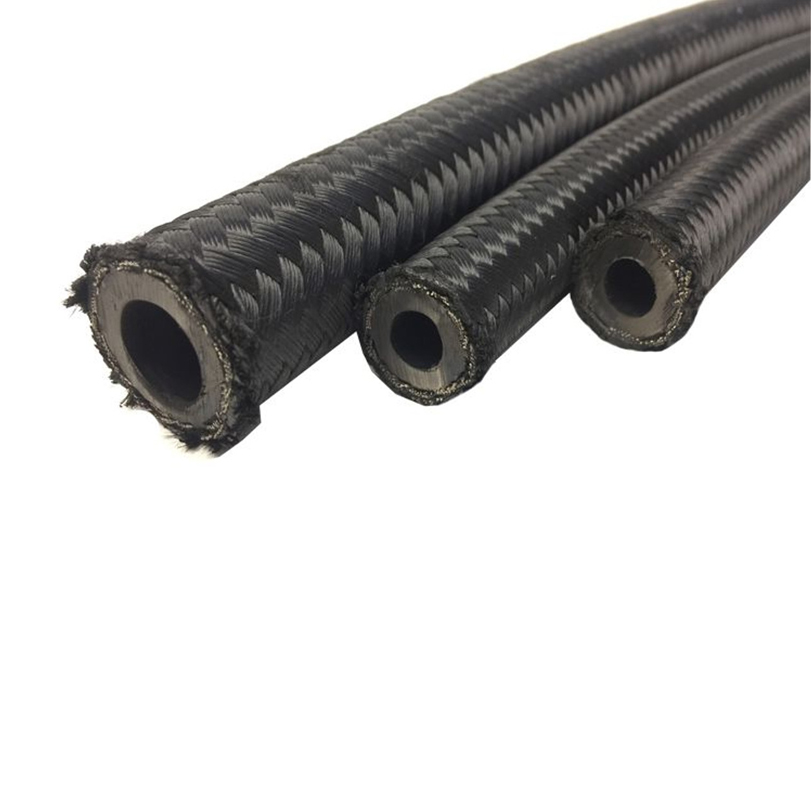
The construction of hydraulic hoses from China Dayco suppliers typically involves several layers, each contributing to specific performance attributes. The inner tube, commonly composed of synthetic rubbers like Nitrile (NBR), Ethylene Propylene Diene Monomer (EPDM), or Fluoroelastomer (FKM – Viton), provides fluid resistance. NBR offers excellent resistance to petroleum-based fluids, while EPDM excels in phosphate ester fluids and high-temperature applications. FKM is selected for superior chemical resistance, particularly in aggressive environments. Reinforcement layers, typically braided with high-tensile steel wire or spiral-wound with steel wire, dictate the hose’s pressure capacity. The number and configuration of these layers directly impact the burst pressure. An outer cover, often a Chloroprene (CR) or polyurethane blend, provides abrasion, ozone, and weathering resistance. Manufacturing processes involve extrusion of the inner tube and outer cover, followed by precise winding or braiding of the reinforcement layers. Critical parameter control includes maintaining consistent rubber compound formulations, precise braiding tension, and accurate curing times and temperatures. Post-production testing, including hydrostatic pressure testing and impulse testing, verifies conformance to industry standards. Failure to maintain precise control over these parameters can lead to inconsistencies in hose strength and fluid resistance.
Performance & Engineering
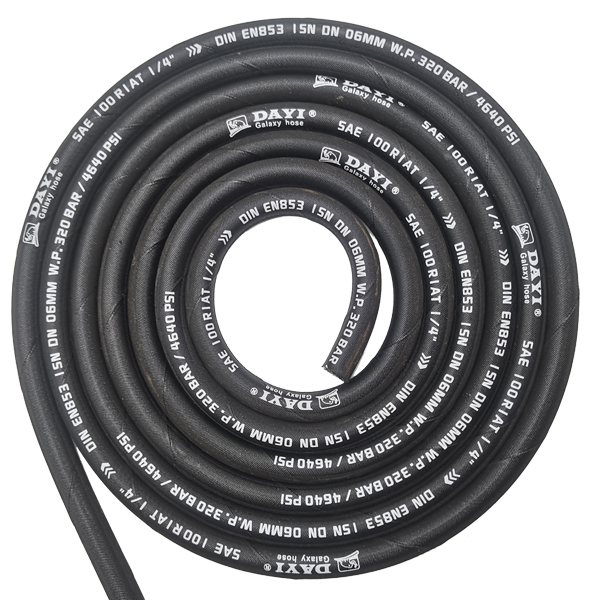
Hydraulic hose performance is governed by a complex interplay of force analysis, environmental resistance, and compliance requirements. Burst pressure, the maximum pressure the hose can withstand before failure, is a primary engineering consideration. Working pressure is significantly lower, typically a safety factor of 4:1 applied to the burst pressure. Hose selection must account for the dynamic loads imposed by hydraulic systems, including pressure pulses and vibrations. Impulse testing simulates these conditions to assess the hose’s fatigue life. Environmental resistance is crucial; exposure to extreme temperatures, UV radiation, ozone, and corrosive fluids can degrade the hose materials. Hose covers are formulated to mitigate these effects, but operating temperature limits must be strictly observed. Compliance requirements vary by region and application. SAE J517, DIN EN 853, and ISO 6899 are common standards defining hose dimensions, performance characteristics, and testing procedures. Engineering design must consider hose bend radius to prevent kinking and stress concentrations that can lead to failure. Proper hose routing and support are essential to ensure long-term reliability. Furthermore, the compatibility of the hose materials with the hydraulic fluid is paramount. Incompatible fluids can cause swelling, softening, or cracking of the inner tube, compromising its integrity.
Technical Specifications
| Parameter | Unit | Typical Value (SAE 100R2AT Equivalent) | Testing Standard |
|---|---|---|---|
| Working Pressure | MPa | 20.7 | SAE J517 |
| Burst Pressure | MPa | 82.7 | SAE J517 |
| Temperature Range | °C | -40 to +100 | SAE J517 |
| Inner Tube Material | - | NBR (Nitrile Rubber) | ASTM D2000 |
| Reinforcement | - | Two Steel Wire Braids | SAE J517 |
| Outer Cover Material | - | CR (Chloroprene Rubber) | ASTM D2000 |
Failure Mode & Maintenance
Hydraulic hose failure can manifest in several forms, each with distinct root causes. Fatigue cracking, arising from repeated pressure cycles and vibrations, is a common failure mode, particularly in high-stress areas like hose ends. Delamination, the separation of reinforcement layers, occurs due to inadequate bonding or material degradation. Degradation of the inner tube results from fluid incompatibility or exposure to excessive temperatures, leading to swelling, cracking, or loss of elasticity. Oxidation, caused by exposure to ozone and UV radiation, degrades the outer cover, reducing its abrasion resistance. External damage, such as abrasion, cuts, or punctures, compromises the hose’s integrity. Maintenance strategies include regular visual inspections for signs of wear, cracks, or leaks. Hose ends should be inspected for corrosion and proper crimping. Fluid compatibility should be verified, and the hydraulic fluid should be maintained within the recommended cleanliness levels. Hose routing should be checked to ensure adequate clearance and prevent kinking. Preventive replacement based on operating hours or calendar intervals is recommended. In the event of a hose failure, a thorough root cause analysis should be conducted to identify and address the underlying contributing factors.
Industry FAQ
Q: What is the impact of hydraulic fluid type on hose selection?
A: Hydraulic fluid type is a critical factor. Different fluids have varying chemical compositions and operating temperatures. NBR is generally suitable for petroleum-based fluids, but EPDM is preferred for phosphate ester fluids. FKM is essential for fluids with aggressive chemical additives. Using an incompatible fluid can lead to inner tube degradation, swelling, and premature failure. Always consult the hose manufacturer's compatibility chart and verify the fluid's suitability before installation.
Q: How does operating temperature affect hose lifespan?
A: Elevated temperatures accelerate the degradation of rubber compounds, reducing hose flexibility and increasing the risk of cracking. Operating the hose consistently above its maximum temperature rating will significantly shorten its lifespan. Conversely, extremely low temperatures can reduce hose flexibility and increase the risk of cracking during bending. Selecting a hose with an appropriate temperature rating for the application is crucial.
Q: What are the common causes of hose end failure?
A: Hose end failure is often attributed to improper crimping, corrosion, or mechanical damage. Insufficient crimping can lead to slippage between the hose and the fitting, resulting in leaks or ejection. Corrosion weakens the fitting material, increasing the risk of fracture. Mechanical damage, such as bending or impact, can also compromise the hose end integrity. Regular inspection and proper crimping procedures are essential.
Q: What is the importance of impulse testing?
A: Impulse testing simulates the pressure pulsations and vibrations inherent in hydraulic systems. It assesses the hose’s ability to withstand repeated stress cycles without fatigue failure. A hose that fails impulse testing is likely to experience premature failure in real-world applications. This testing is especially important for systems with high-frequency pressure fluctuations.
Q: How do I determine the correct hose size and length?
A: Hose size (inner diameter) must be adequate to deliver the required flow rate without excessive pressure drop. Hose length should allow for proper routing and accommodate system movement without kinking or stretching. Consult the hydraulic system schematics and manufacturer's recommendations to determine the appropriate hose size and length. Allow for sufficient slack to account for thermal expansion and contraction.
Conclusion
China Dayco hydraulic hose suppliers provide a vital link in the fluid power industry, demanding adherence to stringent material science principles and manufacturing controls. The selection of appropriate hose materials, reinforcement configurations, and operating parameters is critical to ensure reliable performance and prevent premature failure. Understanding the potential failure modes and implementing proactive maintenance strategies are essential for maximizing hose lifespan and minimizing downtime.
As hydraulic systems become increasingly complex and operate in more demanding environments, the need for high-quality, durable hydraulic hoses will continue to grow. Continued innovation in hose materials and manufacturing processes will be crucial to meet the evolving needs of the industry. Proper hose selection, installation, and maintenance remain paramount to ensuring the safety, efficiency, and reliability of hydraulic power systems.