
Apr . 01, 2024 17:55 Back to list
china dayco hydraulic hose manufacturers Performance Analysis
Introduction
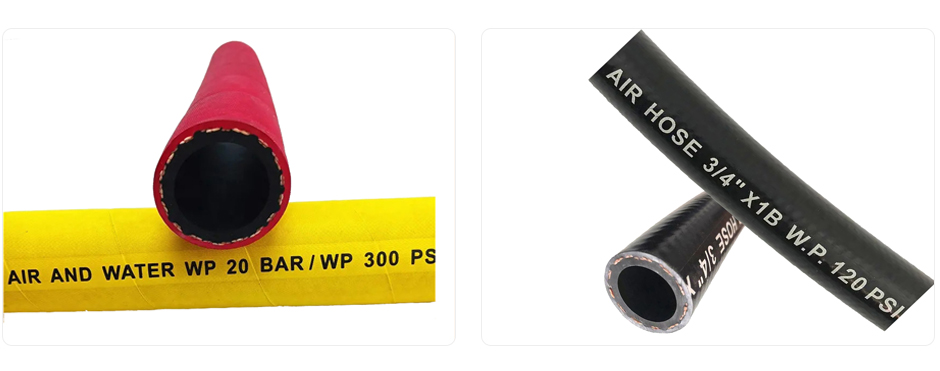
Hydraulic hoses manufactured in China, particularly those serving as OEM or aftermarket components similar to Dayco specifications, are critical elements in fluid power systems across a diverse range of industries, including construction equipment, agricultural machinery, material handling, and automotive applications. These hoses facilitate the transmission of hydraulic fluid under significant pressure, enabling the operation of actuators and motors. The sector is characterized by increasing demand for high-performance, durable, and reliable hoses capable of withstanding harsh operating conditions and meeting stringent safety standards. The core performance attributes of these hoses – pressure rating, temperature resistance, fluid compatibility, and abrasion resistance – dictate their suitability for specific applications. A key pain point within the industry is maintaining consistent quality control and adherence to international standards amidst fluctuating raw material costs and competitive pricing pressures. China's role as a major global manufacturer necessitates a deep understanding of material science, manufacturing processes, and regulatory compliance to ensure product reliability and longevity.
Material Science & Manufacturing
The core materials utilized in the production of hydraulic hoses mirror those found in globally recognized brands. The inner tube is typically constructed from synthetic rubbers such as Nitrile (NBR), Ethylene Propylene Diene Monomer (EPDM), or Chlorinated Polyethylene (CM) depending on the fluid compatibility requirements. NBR offers excellent resistance to petroleum-based fluids, EPDM excels in high-temperature applications and phosphate ester fluid compatibility, and CM provides superior resistance to ozone and weathering. The reinforcement layer is crucial for pressure handling and commonly employs multiple spiraled high-tensile steel wires, or braided steel wire configurations. Fiber reinforcement (aramid or polyester) is often used in conjunction with steel for added flexibility and burst strength. The outer cover provides environmental protection and abrasion resistance and is usually comprised of Chloroprene rubber (CR) or polyurethane (PU).
Manufacturing processes involve several key steps. The inner tube is extruded through a die to achieve the desired dimensions and homogeneity. The reinforcement layer is then applied via a helical winding or braiding process. Precise tension control during reinforcement application is critical to ensure uniform pressure distribution and prevent premature failure. The outer cover is subsequently extruded over the reinforcement layer. Curing, or vulcanization, is then performed at elevated temperatures to crosslink the rubber compounds, imparting the necessary elasticity, strength, and chemical resistance. Quality control throughout the process includes dimensional checks, pressure testing (hydrostatic and impulse testing), and material analysis to verify adherence to specifications. Parameter control focuses on maintaining consistent rubber compound viscosity, extrusion temperatures, winding/braiding tensions, and curing times. Post-curing inspection includes visual defect identification and destructive testing to validate burst pressure and fatigue life.
Performance & Engineering
Hydraulic hose performance is dictated by a complex interplay of material properties and engineering design. Burst pressure, working pressure, and impulse pressure ratings are paramount. Burst pressure represents the maximum pressure the hose can withstand before rupture, while working pressure is a fraction of the burst pressure, representing the safe operating limit. Impulse pressure refers to the hose’s ability to withstand pressure surges or pulsations without failure. Fatigue life is another critical parameter, indicating the number of pressure cycles the hose can endure before experiencing degradation or failure. Finite Element Analysis (FEA) is employed to optimize hose construction, predict stress distribution under various loading conditions, and identify potential weak points. Environmental resistance is assessed through exposure to extreme temperatures, oils, fuels, and corrosive chemicals.
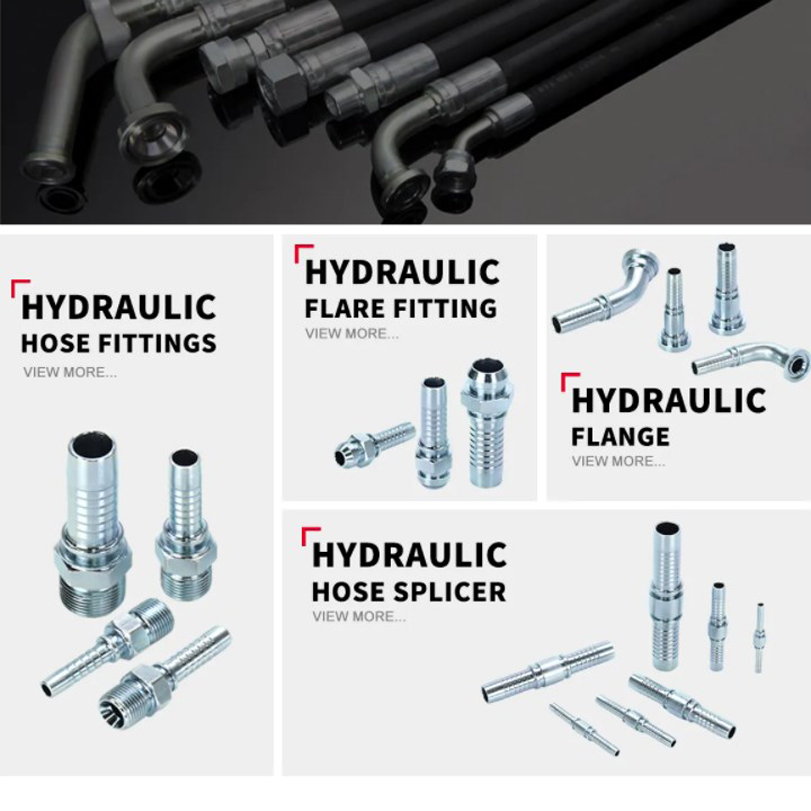
Compliance requirements are stringent, dictated by SAE International (SAE J517, J518), and European standards (EN 853, EN 857). These standards define test methods, performance criteria, and marking requirements. Specific applications, such as those involving high-temperature hydraulic fluids or exposure to harsh chemicals, necessitate adherence to additional industry-specific standards. Force analysis considers both internal pressure forces acting on the inner tube and external forces generated by bending, twisting, and abrasion. Proper hose routing and support are crucial to minimize stress concentrations and prolong service life. Proper end fitting selection and crimping are equally important to ensure a secure and leak-proof connection.
Technical Specifications
| Parameter | Unit | SAE 100R2 AT | SAE 100R6 |
|---|---|---|---|
| Working Pressure | MPa | 31.5 | 21.0 |
| Burst Pressure | MPa | 105 | 69 |
| Temperature Range | °C | -40 to +100 | -40 to +71 |
| Inner Tube | Material | NBR | NBR |
| Reinforcement | Material | Spiral Steel Wire | 6 Braided Steel Wire |
| Outer Cover | Material | CRM | CRM |
Failure Mode & Maintenance
Common failure modes in hydraulic hoses include burst failures due to exceeding pressure limits, fatigue cracking resulting from repeated flexing and pressure cycling, abrasion damage caused by external contact with abrasive surfaces, and chemical degradation stemming from incompatibility with the hydraulic fluid. Pinholes in the inner tube can develop due to internal erosion or corrosion. End fitting failures, such as leaks or detachment, are often attributed to improper crimping or corrosion. Fatigue cracking is often initiated at stress concentration points, such as near fittings or areas of localized damage.
Preventative maintenance is crucial for maximizing hose service life. Regular visual inspections should be conducted to identify signs of abrasion, cracking, or leakage. Hoses should be routed properly to avoid sharp bends, twisting, and contact with hot surfaces. Fluid contamination should be minimized through the use of filtration systems. When replacing hoses, it is essential to use compatible end fittings and ensure proper crimping. Hoses should be replaced if they exhibit signs of damage or age-related degradation. Proper storage is also important; hoses should be stored in a cool, dry place away from direct sunlight and ozone sources. Periodic pressure testing can help identify hoses nearing the end of their service life.
Industry FAQ
Q: What is the significance of impulse pressure rating, and how does it differ from working pressure?
A: Impulse pressure rating indicates a hose's ability to withstand pressure spikes or pulsations commonly encountered in hydraulic systems, especially with pumps and actuators. It's typically significantly higher than the working pressure. Working pressure is the continuous operating pressure the hose is designed for, while impulse pressure is a short-duration, cyclical pressure. Failure to account for impulse pressure can lead to premature fatigue failure, even if the continuous working pressure is within specifications.
Q: How do different reinforcement materials (braided vs. spiral wound) impact hose performance?
A: Braided reinforcement offers greater flexibility, making it suitable for applications requiring tight bends and maneuverability. However, it generally has a lower pressure rating compared to spiral wound reinforcement. Spiral wound reinforcement provides superior pressure handling capabilities due to the continuous, tightly wound wire structure. However, it is less flexible and more prone to kinking if bent excessively.
Q: What is the impact of fluid compatibility on hose lifespan?
A: Incompatible fluids can cause the inner tube material to swell, soften, or degrade, leading to leaks, reduced pressure capacity, and premature failure. Selecting a hose with an inner tube material specifically rated for the intended fluid is critical. For example, EPDM is preferred for phosphate ester fluids, while NBR is best for petroleum-based fluids.
Q: What are the common causes of end fitting failure, and how can they be prevented?
A: Common causes include improper crimping (too loose or too tight), corrosion, and fatigue. Preventing end fitting failure requires using properly sized and rated fittings, ensuring correct crimping procedures, applying anti-corrosion compounds, and regularly inspecting fittings for signs of damage or leakage.
Q: What role do international standards like SAE and EN play in hydraulic hose manufacturing?
A: SAE and EN standards provide standardized test methods, performance criteria, and marking requirements, ensuring consistency, safety, and reliability. Adherence to these standards demonstrates a commitment to quality and enables interoperability between components from different manufacturers. They are crucial for regulatory compliance and minimizing risk in critical applications.
Conclusion
The manufacturing of high-quality hydraulic hoses, such as those mirroring Dayco specifications within China, demands meticulous attention to material selection, manufacturing processes, and adherence to rigorous international standards. The interplay between inner tube composition, reinforcement construction, and outer cover protection directly dictates performance characteristics like pressure rating, temperature resistance, and longevity. Understanding the nuances of these parameters, along with potential failure modes, is essential for procurement managers and engineers alike, ensuring optimal system reliability and minimizing operational downtime.
The continued evolution of hydraulic technology necessitates ongoing advancements in hose design and materials. Future developments will likely focus on lighter-weight materials, improved abrasion resistance, and enhanced fluid compatibility to meet the demands of increasingly sophisticated hydraulic systems. Maintaining a commitment to quality control, continuous improvement, and adherence to evolving industry standards will be paramount for manufacturers aiming to compete in the global hydraulic hose market.