
Apr . 01, 2024 17:55 Back to list
china dayco hydraulic hose manufacturer Performance Analysis

Introduction
Hydraulic hoses manufactured by China Dayco are critical components in fluid power systems across a diverse range of industries including construction, agriculture, mining, and manufacturing. These hoses transmit hydraulic fluid to operate machinery, providing the necessary force and control for various applications. Their technical position in the industry chain is as a key link between the hydraulic pump, control valves, and the hydraulic actuator. Core performance characteristics encompass pressure rating, temperature resistance, fluid compatibility, and resistance to abrasion and kinking. A significant industry pain point centers around hose failure leading to downtime and safety risks, necessitating robust designs and stringent quality control. China Dayco hydraulic hoses aim to address these challenges through specialized materials and manufacturing processes, competing with established global brands on performance and value.
Material Science & Manufacturing
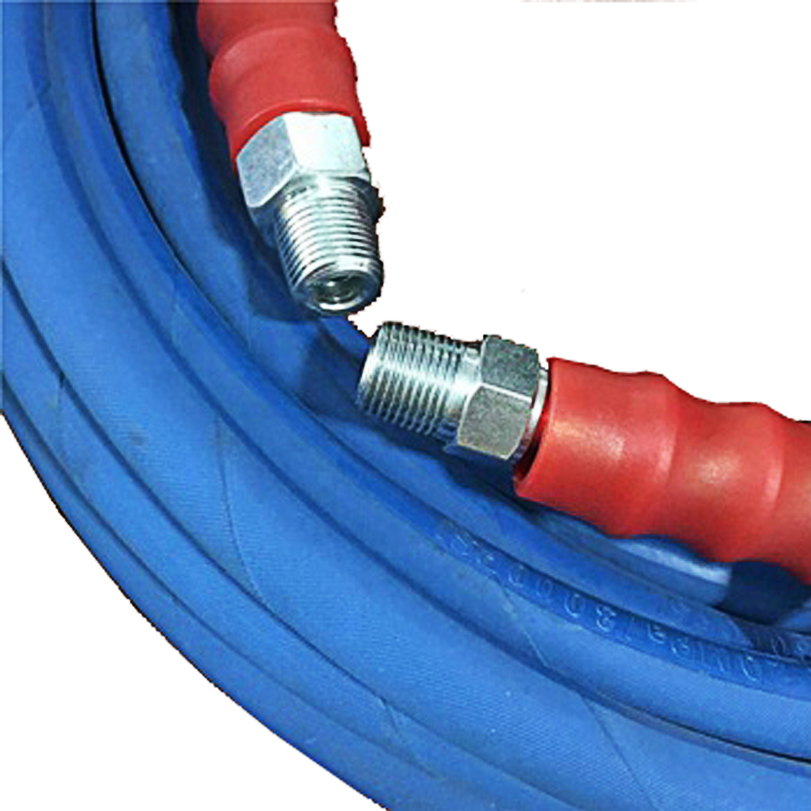
The construction of a hydraulic hose involves multiple layers, each with specific material properties. The inner tube, typically composed of synthetic rubber such as nitrile (NBR), chloroprene (CR), or ethylene propylene diene monomer (EPDM), provides fluid resistance. Nitrile is common for petroleum-based fluids, while EPDM excels in phosphate ester fluids. The reinforcement layer, crucial for pressure handling, utilizes high-tensile steel wire (single or multiple spiral plies) or synthetic fiber braids (aramid or polyester). Exterior covers, generally made of chloroprene or polyurethane, offer abrasion, weathering, and ozone resistance. Manufacturing begins with extrusion of the inner tube, followed by precise winding or braiding of the reinforcement layer. The cover is then extruded, and the hose is cured using vulcanization – a chemical process that crosslinks the rubber polymers, enhancing strength and elasticity. Key parameters controlled during manufacturing include rubber compound mixing ratios, extrusion temperature and speed, reinforcement ply tension, and curing time and temperature. Deviations in these parameters impact hose performance and lifespan. Quality control utilizes hydrostatic testing to verify pressure capacity and impulse testing to assess fatigue resistance.
Performance & Engineering
Hydraulic hose performance is dictated by several engineering considerations. Burst pressure, working pressure, and impulse pressure are critical parameters. Burst pressure represents the maximum pressure the hose can withstand before failure; working pressure is a fraction of this, representing safe operating limits. Impulse pressure measures the hose’s ability to withstand pressure spikes. Finite Element Analysis (FEA) is often employed in design to optimize reinforcement layer configuration and minimize stress concentrations. Environmental resistance is vital. Exposure to extreme temperatures (high and low), UV radiation, and corrosive substances can degrade the rubber compounds, leading to failure. Chemical compatibility between the hose material and the hydraulic fluid is paramount; incompatible fluids can cause swelling, softening, or cracking of the inner tube. Furthermore, hose bend radius impacts performance. Exceeding the minimum bend radius causes kinking, restricting fluid flow and potentially damaging the reinforcement layer. Compliance requirements, such as those outlined by SAE International (J517, J1926), dictate testing procedures and performance standards that China Dayco hydraulic hoses must meet.
Technical Specifications
| Parameter | Unit | SAE 100R2 AT | SAE 100R6 |
|---|---|---|---|
| Working Pressure | MPa | 20.7 | 34.5 |
| Burst Pressure | MPa | 82.7 | 138.0 |
| Temperature Range | °C | -40 to +100 | -40 to +121 |
| Inner Tube | Material | NBR (Nitrile Rubber) | NBR (Nitrile Rubber) |
| Reinforcement | Type | Two Steel Wire Braid | Four Steel Wire Braid |
| Cover | Material | CR (Chloroprene Rubber) | CR (Chloroprene Rubber) |
Failure Mode & Maintenance
Hydraulic hose failure can manifest in several ways. Fatigue cracking, resulting from repeated flexing and pressure cycling, is a common mode, particularly near the fittings. Delamination, the separation of layers, weakens the hose structure. Degradation, caused by exposure to heat, chemicals, or UV radiation, diminishes the rubber’s elasticity and strength. Oxidation, especially in hoses exposed to air, leads to hardening and cracking. Fitting failures, such as corrosion or loosening, can also induce hose rupture. Preventive maintenance is critical. Regular visual inspections should identify cracks, abrasions, kinks, or leaks. Hose assemblies should be inspected for proper routing and support to prevent chafing. Fluid compatibility should be verified, and hoses should be replaced at recommended intervals, based on operating conditions and fluid type. Proper fitting installation, using calibrated torque wrenches, is essential. Should a hose fail, a thorough failure analysis should be conducted to determine the root cause and prevent recurrence. This includes examination of the fracture surface, material properties, and operating history.
Industry FAQ
Q: What are the key differences between single and double wire braid hydraulic hoses?
A: Single wire braid hoses are typically used for lower pressure applications (up to 200 bar) and offer greater flexibility. Double wire braid hoses, with their increased reinforcement, are designed for higher pressure applications (up to 350 bar or higher) and provide enhanced durability and resistance to kinking. The choice depends on the system's operating pressure and bend radius requirements.
Q: How does temperature affect hydraulic hose performance?
A: Extreme temperatures can significantly impact hose performance. High temperatures accelerate rubber degradation and reduce pressure capacity. Low temperatures can cause the rubber to become brittle and less flexible. It is crucial to select a hose material with a temperature range that matches the application's operating conditions.
Q: What is the role of the hose fitting in overall hose reliability?
A: The fitting is a critical component. Incorrect fitting selection, improper crimping, or corrosion can lead to leaks or catastrophic failure. Fittings must be compatible with the hose material and fluid type, and crimping must be performed to the hose manufacturer's specifications.
Q: What is the expected lifespan of a hydraulic hose?
A: Hose lifespan varies significantly depending on operating conditions, fluid compatibility, and maintenance practices. A typical lifespan ranges from 3 to 5 years, but can be shorter in harsh environments. Regular inspections and adherence to recommended replacement schedules are crucial.
Q: What standards are relevant for hydraulic hose testing and performance?
A: Key standards include SAE International J517 (hose performance), SAE J1926 (hose fitting performance), ISO 6897 (hydraulic hose), and ISO 3862 (hose fittings). These standards define testing procedures and performance criteria for hydraulic hoses and fittings.
Conclusion
China Dayco hydraulic hoses represent a competitive offering in the fluid power industry, blending robust materials and precision manufacturing to deliver reliable performance. Understanding the material science, engineering principles, and potential failure modes is critical for selecting the correct hose for a given application and ensuring long-term operational efficiency. The careful consideration of pressure ratings, temperature resistance, fluid compatibility, and proper maintenance practices are all essential to maximizing hose lifespan and minimizing the risk of costly downtime.
Looking forward, continued innovation in hose materials and manufacturing processes, coupled with adherence to stringent industry standards, will be crucial for enhancing hose performance and reliability. China Dayco’s commitment to quality control and continuous improvement positions it to address the evolving needs of the hydraulic systems market and provide value to its customers.