
Apr . 01, 2024 17:55 Back to list
china dayco hydraulic hose factory Performance Analysis
Introduction
Hydraulic hose, specifically that manufactured by China Dayco hydraulic hose factory, represents a critical component in fluid power systems across diverse industries including construction, agriculture, manufacturing, and automotive. These hoses are engineered to transmit hydraulic fluid under high pressure, enabling the operation of heavy machinery and precise control systems. Their technical position within the industrial chain lies between the hydraulic pump/reservoir and the actuating cylinder/motor. Core performance characteristics center around burst pressure, working pressure, temperature resistance, fluid compatibility, and dimensional stability. Industry pain points revolve around hose longevity in harsh environments, maintaining consistent internal diameter to prevent flow restriction, and ensuring reliable connection integrity to prevent leaks and catastrophic failures. This guide provides a detailed technical examination of these hoses, focusing on materials, manufacturing, performance, failure modes, and relevant industry standards.
Material Science & Manufacturing
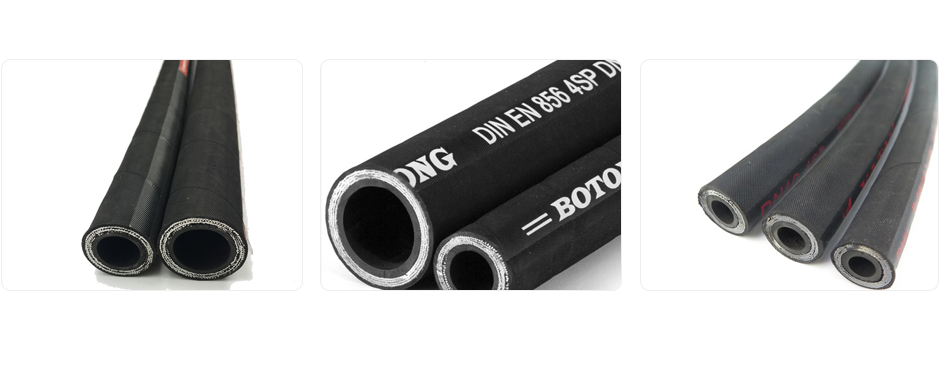
The core material for hydraulic hose construction is typically a synthetic rubber compound, with variations impacting performance characteristics. Nitrile rubber (NBR) provides excellent resistance to petroleum-based fluids but limited temperature range. Ethylene Propylene Diene Monomer (EPDM) offers superior temperature and ozone resistance, making it ideal for outdoor applications and compatibility with phosphate ester fluids. Chloroprene (Neoprene) exhibits good all-around resistance but is more expensive. Inside the rubber matrix, reinforcing layers are crucial. High-tensile steel wire, typically spiral-wound, provides the primary strength to withstand pressure. Synthetic textile braids (polyester or nylon) offer flexibility and kink resistance, often used in conjunction with wire reinforcement. Manufacturing begins with rubber compounding, precisely blending polymers, plasticizers, fillers (carbon black for reinforcement and UV protection), and curing agents. Extrusion forms the inner tube, followed by the application of reinforcement layers. A cover layer, again typically synthetic rubber, protects against abrasion, weathering, and chemical exposure. Critical process parameters include extrusion temperature, curing time and temperature, wire winding tension, and dimensional accuracy during assembly. Quality control involves burst pressure testing, impulse pressure testing (simulating pulsating loads), and dimensional inspection. Improper curing can lead to reduced elasticity and premature failure; inconsistent wire winding can create weak points susceptible to rupture.
Performance & Engineering
Hydraulic hose performance is governed by a complex interplay of forces and environmental factors. Burst pressure, the maximum pressure the hose can withstand before rupture, is a primary design criterion, often exceeding the system's operating pressure by a significant safety margin (typically 4:1). Working pressure, the continuous operating pressure, must account for pressure spikes and dynamic loads. Impulse testing simulates these dynamic conditions, evaluating the hose's resistance to fatigue failure. Temperature resistance is critical; elevated temperatures degrade rubber compounds, reducing their elasticity and strength. Low temperatures can cause rubber to become brittle, increasing susceptibility to cracking. Fluid compatibility is paramount. Incompatible fluids can cause swelling, softening, or degradation of the rubber, leading to leaks and failure. Hose bending radius is also critical. Exceeding the minimum bend radius induces stress on the reinforcement layers, reducing the hose's lifespan. Connection methods (crimped fittings, field-attachable fittings) must maintain a leak-proof seal under pressure and vibration. Finite Element Analysis (FEA) is employed during the design phase to optimize reinforcement configuration and predict stress distribution under various loading conditions. Compliance requirements often dictate specific performance characteristics, such as resistance to ozone degradation or flame retardancy.
Technical Specifications
| Parameter | Unit | Specification (Typical) | Test Standard |
|---|---|---|---|
| Working Pressure | MPa | 16-35 | SAE J517 |
| Burst Pressure | MPa | 64-140 | SAE J517 |
| Temperature Range | °C | -40 to +100 | SAE J517 |
| Reinforcement Type | - | Spiral Steel Wire, Textile Braid | Manufacturer Specification |
| Inner Tube Material | - | NBR, EPDM, CPE | Manufacturer Specification |
| Cover Material | - | CR, NBR | Manufacturer Specification |
Failure Mode & Maintenance
Hydraulic hose failures manifest in several common modes. Fatigue cracking, often initiated at the fitting connection, results from repeated flexing and pressure cycling. Rupture, a sudden and catastrophic failure, occurs when the hose exceeds its burst pressure or a pre-existing flaw propagates. Abrasion, caused by contact with abrasive surfaces, degrades the cover layer, exposing the reinforcement. Ozone cracking, prevalent in EPDM hoses exposed to atmospheric ozone, creates surface cracks leading to leaks. Chemical degradation occurs when incompatible fluids attack the rubber compound. Internal erosion, caused by fluid contaminants, gradually wears away the inner tube. Maintenance involves regular visual inspection for signs of abrasion, cracking, and leaks. Checking fitting connections for tightness is crucial. Maintaining proper system fluid cleanliness is essential to prevent internal erosion. Proper hose routing and support minimize bending stress. Replacement should occur at scheduled intervals, dictated by operating conditions and manufacturer recommendations. Avoid exceeding the minimum bend radius. Incorrectly crimped fittings are a frequent source of failure and require recrimping using calibrated tools. Proper storage away from direct sunlight and ozone sources extends hose life.
Industry FAQ
Q: What are the key differences between spiral-wound and braided hydraulic hose, and when would you choose one over the other?
A: Spiral-wound hoses generally offer higher pressure ratings and greater flexibility than braided hoses. They are preferred for high-pressure applications and scenarios requiring tight bend radii. Braided hoses are typically more cost-effective and provide excellent kink resistance, making them suitable for lower-pressure systems where flexibility is less critical. The selection depends on the specific operating pressure, bend requirements, and budget constraints.
Q: How does fluid temperature affect the lifespan of a hydraulic hose?
A: Elevated temperatures accelerate the degradation of rubber compounds, reducing their elasticity and strength, leading to premature failure. High temperatures can also cause swelling or softening of the rubber, compromising its sealing capabilities. Conversely, low temperatures can make the rubber brittle and prone to cracking. Maintaining fluid temperature within the hose's specified range is crucial for maximizing its lifespan.
Q: What are the common causes of hose leaks at the fitting connection?
A: Common causes include improper crimping of the fitting, damage to the fitting during installation, corrosion of the fitting material, and wear of the hose end due to abrasion or vibration. Ensuring correct crimping specifications, using corrosion-resistant fittings, and providing adequate support to minimize vibration are essential for preventing leaks.
Q: What is the role of carbon black in hydraulic hose rubber compounds?
A: Carbon black serves multiple purposes. Primarily, it acts as a reinforcing filler, significantly increasing the tensile strength and abrasion resistance of the rubber. It also provides UV protection, preventing degradation from sunlight exposure. The type and loading of carbon black are carefully controlled to optimize performance characteristics.
Q: How important is fluid cleanliness in maintaining hydraulic hose integrity?
A: Fluid cleanliness is paramount. Abrasive particles in the hydraulic fluid cause internal erosion of the hose liner, gradually reducing its thickness and leading to failure. Contaminants can also damage the internal seals and valves within the hydraulic system, exacerbating the problem. Implementing a robust filtration system is essential for maintaining fluid cleanliness and extending hose life.
Conclusion
China Dayco hydraulic hose factory's products, as outlined, rely heavily on a precise balance of material science, manufacturing control, and adherence to stringent performance standards. The longevity and reliability of these hoses are directly correlated with proper selection based on application parameters – pressure, temperature, fluid compatibility – and consistent maintenance practices. Addressing the core pain points within the industry – premature failure, leak prevention, and maintaining operational efficiency – requires a holistic understanding of these factors.
Looking forward, advancements in rubber compounding technologies, such as the development of novel polymer blends with enhanced chemical and thermal resistance, will continue to improve hose performance. Furthermore, the integration of sensor technology within hose assemblies to monitor pressure, temperature, and structural integrity will enable predictive maintenance and minimize unplanned downtime. Continued investment in quality control and rigorous testing procedures remains crucial for ensuring the long-term reliability of hydraulic hose systems.