
Apr . 01, 2024 17:55 Back to list
china competitive price hydraulic hose supplier Performance Analysis
Introduction
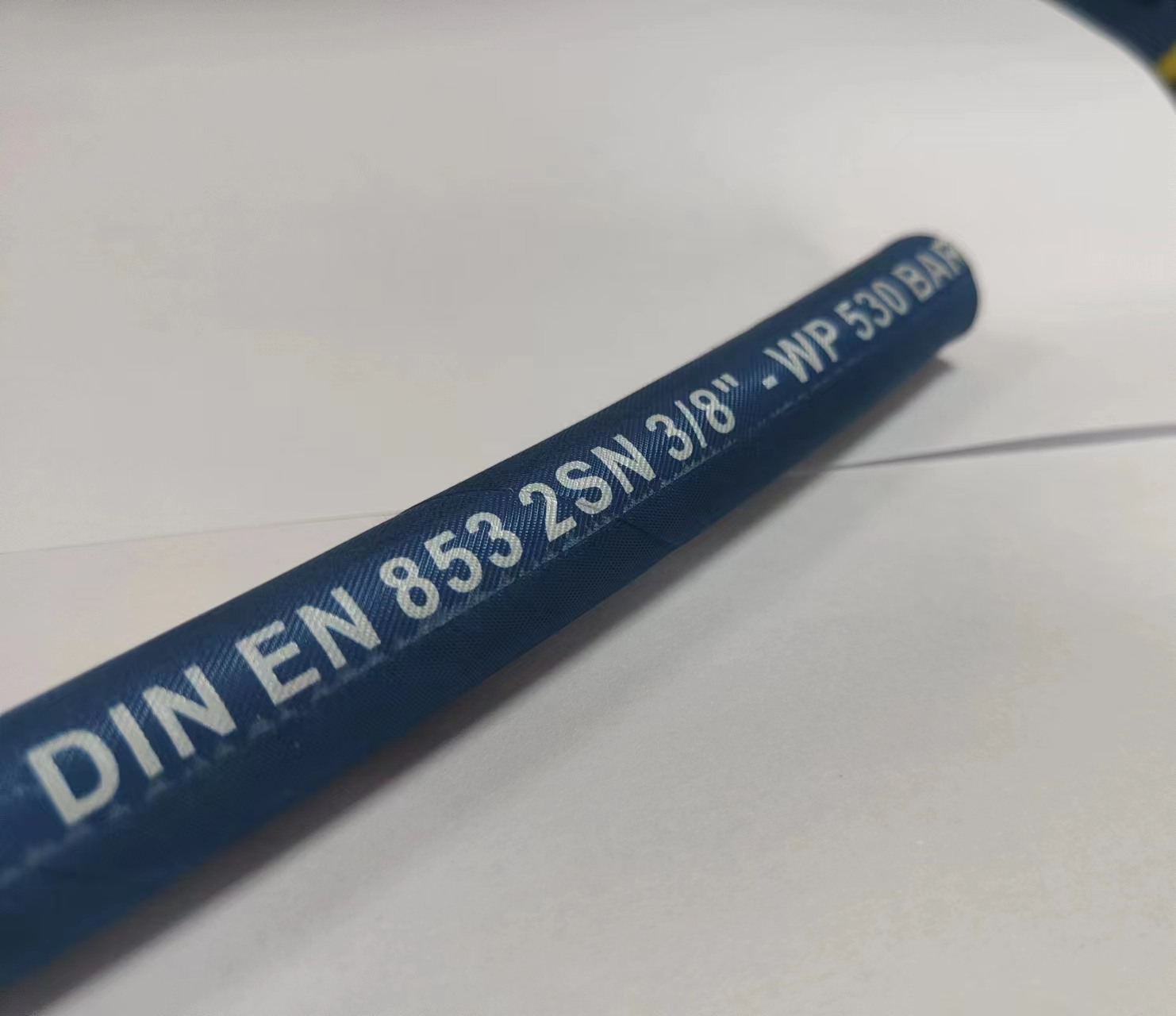
Hydraulic hoses, critical components in fluid power systems, facilitate the transmission of hydraulic fluid to actuate machinery. The competitive landscape of hydraulic hose suppliers, particularly those originating from China, is defined by price-performance ratios, manufacturing capacity, and adherence to international standards. This technical guide provides an in-depth analysis of hydraulic hose technology, focusing on material science, manufacturing processes, performance characteristics, failure modes, and relevant industry standards. The core performance of a hydraulic hose is dictated by its ability to withstand high pressures, maintain flexibility, resist abrasion and environmental degradation, and ensure leak-free operation. A primary pain point in the industry revolves around balancing cost-effectiveness with long-term reliability and safety, particularly concerning material selection and quality control in manufacturing. The proliferation of lower-cost hoses often necessitates a rigorous evaluation of material composition and manufacturing tolerances to mitigate risks associated with premature failure and potential system downtime.
Material Science & Manufacturing
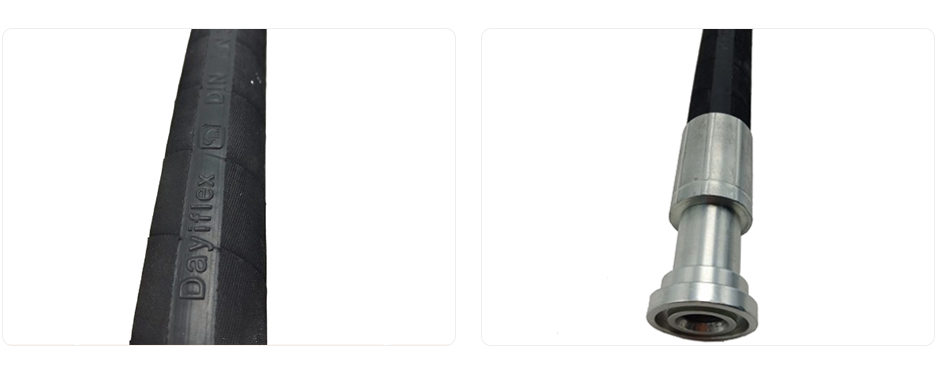
Hydraulic hoses are typically constructed from several layers, each contributing to specific performance characteristics. The inner tube, in direct contact with the hydraulic fluid, is commonly made of nitrile rubber (NBR), ethylene-propylene diene monomer (EPDM) rubber, or fluorocarbon rubber (FKM/Viton), selected based on fluid compatibility and temperature requirements. NBR provides good resistance to petroleum-based fluids, EPDM excels in high-temperature applications and compatibility with phosphate ester fluids, while FKM offers superior resistance to aggressive chemicals and extreme temperatures. The reinforcement layer, providing burst strength, is generally composed of multiple braids or spirals of high-tensile steel wire. The number and construction of these braids directly correlate to the hose's working pressure capacity. An outer cover, typically made of synthetic rubber such as chloroprene (CR) or polyurethane (PU), provides abrasion, weather, and ozone resistance. Manufacturing processes include extrusion for the inner tube and outer cover, calendaring for reinforcement layers, and braiding/spiral winding for reinforcement. Key parameter control during manufacturing includes precise temperature control during extrusion to ensure dimensional accuracy and consistent material properties, proper tensioning during braiding to achieve the specified reinforcement density, and thorough inspection for defects such as pinholes or voids in the inner tube. Quality control is paramount; variations in material composition or improper manufacturing can significantly compromise hose performance and lifespan. The curing process is also critical, influencing the elasticity, tensile strength, and chemical resistance of the rubber compounds.
Performance & Engineering
The performance of a hydraulic hose is governed by several key engineering principles. Burst pressure, working pressure, and safety factor are critical parameters. Burst pressure represents the pressure at which the hose will fail catastrophically, while working pressure is the maximum pressure for continuous operation. A safety factor, typically 4:1, is applied to the burst pressure to determine the working pressure. Hose flexibility, influenced by the diameter and construction, is vital for ease of installation and routing in confined spaces. Tensile strength, indicating the hose's resistance to stretching and tearing, is essential for withstanding mechanical stresses. Environmental resistance, including resistance to ozone, UV radiation, and temperature extremes, impacts long-term durability. Finite Element Analysis (FEA) is frequently employed in hose design to optimize reinforcement configurations and predict stress distributions under various loading conditions. Compliance requirements, such as those mandated by SAE J517 (Hydraulic Hose – Performance Specifications) and EN 853 (Hydraulic hoses – Test methods), dictate minimum performance standards. Additionally, considerations for fluid compatibility are crucial; incompatible fluids can cause swelling, degradation, or chemical attack of the inner tube, leading to leakage and failure. Flow velocity and pressure drop also factor into hose selection, influencing energy efficiency and system response time.
Technical Specifications
| Parameter | Unit | SAE 100R1 AT | SAE 100R2 AT |
|---|---|---|---|
| Working Pressure | MPa | 20.7 | 34.5 |
| Burst Pressure | MPa | 82.7 | 138.0 |
| Temperature Range | °C | -40 to +100 | -40 to +121 |
| Inner Tube | Material | NBR | NBR |
| Reinforcement | Material | Single Steel Wire Braid | Double Steel Wire Braid |
| Outer Cover | Material | CR | CR |
Failure Mode & Maintenance
Hydraulic hose failure can manifest in several forms. Fatigue cracking, caused by repeated flexing and pressure cycling, is a common failure mode, particularly in high-stress areas. Abrasion, resulting from contact with abrasive surfaces, can wear away the outer cover, exposing the reinforcement layer and increasing the risk of catastrophic failure. Pinholes in the inner tube, often caused by manufacturing defects or corrosion, lead to leakage. Permeation, the slow diffusion of hydraulic fluid through the hose wall, can occur with certain fluid types and elevated temperatures. Delamination, the separation of layers within the hose construction, compromises structural integrity. Oxidation and degradation of the rubber compounds, accelerated by exposure to ozone, UV radiation, and extreme temperatures, reduce flexibility and strength. Preventative maintenance is critical. Regular visual inspections should identify cracks, abrasions, or swelling. Pressure testing can detect leaks. Hoses should be replaced at recommended intervals, based on operating conditions and fluid type. Proper hose routing and support are essential to minimize stress and abrasion. Avoid sharp bends and ensure adequate clearance from hot surfaces. Hydraulic fluid cleanliness is paramount; contaminants can accelerate wear and damage the inner tube. Employing proper hose guards and utilizing compatible fittings are also essential for maximizing hose lifespan.
Industry FAQ
Q: What are the key differences between SAE 100R1AT and SAE 100R2AT hoses, and when would I choose one over the other?
A: SAE 100R1AT hoses feature a single steel wire braid and are suitable for moderate pressure applications up to 20.7 MPa. SAE 100R2AT hoses have a double steel wire braid, providing significantly higher burst and working pressures (up to 34.5 MPa) and enhanced abrasion resistance. Choose R2AT for higher-pressure systems, demanding applications, or environments with increased risk of abrasion. R1AT is often preferred for cost-sensitive applications where pressure requirements are lower.
Q: How does temperature affect hydraulic hose performance and lifespan?
A: Temperature extremes can significantly impact hydraulic hose performance. High temperatures accelerate the degradation of rubber compounds, reducing flexibility and strength. Low temperatures can cause rubber to become brittle and susceptible to cracking. Always select a hose with a temperature range compatible with the operating environment and hydraulic fluid. Consider using specialized hoses designed for extreme temperature applications when necessary.
Q: What is the importance of fluid compatibility when selecting a hydraulic hose?
A: Fluid compatibility is crucial. Incompatible fluids can cause the inner tube to swell, soften, or degrade, leading to leakage and hose failure. Always verify the hose material's compatibility with the specific hydraulic fluid used in the system. Refer to chemical resistance charts provided by hose manufacturers.
Q: What are the common causes of hydraulic hose leaks, and how can they be prevented?
A: Common causes include pinholes in the inner tube, loose fittings, damaged seals, and cracks in the hose wall. Prevention involves regular visual inspections, proper fitting installation (torque to manufacturer’s specifications), using compatible fluids, protecting hoses from abrasion and extreme temperatures, and replacing hoses at recommended intervals. Utilizing hose guards can further mitigate damage.
Q: What role do fittings play in the overall performance and reliability of a hydraulic hose assembly?
A: Fittings are integral to the integrity of the assembly. Improperly sized, damaged, or poorly crimped fittings can lead to leakage, hose blow-out, and system failure. Ensure fittings are rated for the hose's working pressure and are correctly crimped according to manufacturer’s specifications. Using high-quality fittings specifically designed for hydraulic hose applications is essential.
Conclusion
Hydraulic hoses are indispensable components in countless industrial applications, and their selection and maintenance are paramount for ensuring system reliability and safety. Understanding the intricacies of material science, manufacturing processes, performance characteristics, and potential failure modes is crucial for engineers and procurement professionals alike. The competitive landscape of hydraulic hose suppliers, especially those from China, offers a range of options, but diligent evaluation of quality control measures and adherence to international standards are essential to mitigate risks associated with lower-cost alternatives.
Prioritizing proactive maintenance, utilizing appropriate hose guards, and employing compatible fluids will significantly extend hose lifespan and minimize downtime. As hydraulic systems become increasingly sophisticated, continued advancements in hose technology, such as the development of more durable materials and innovative construction techniques, will be vital for meeting the evolving demands of modern industrial applications.