
Apr . 01, 2024 17:55 Back to list
china competitive price hydraulic hose manufacturer Technical Analysis
Introduction
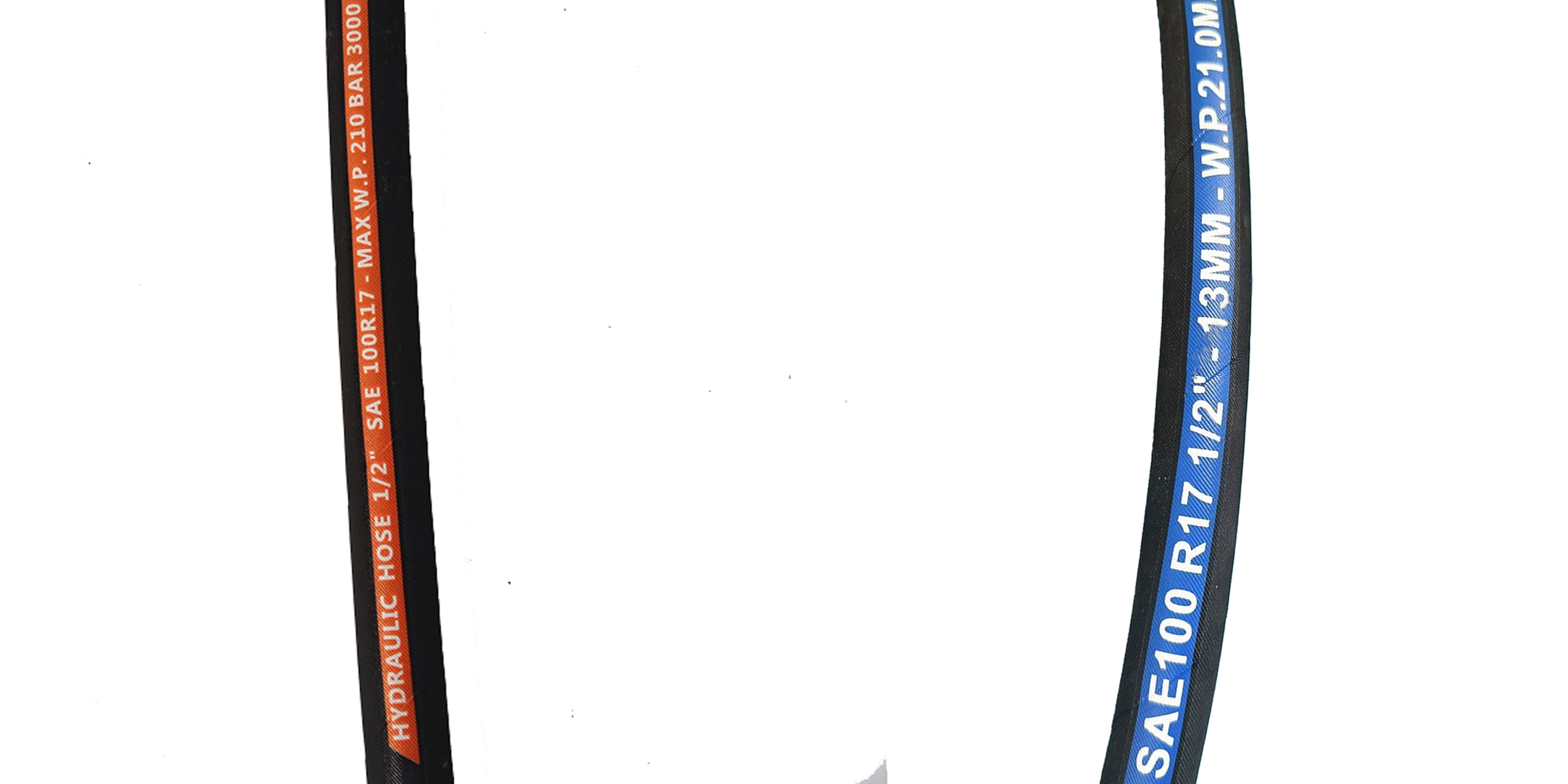
Hydraulic hose, a fundamental component in fluid power systems, transmits hydraulic fluid to actuate cylinders and motors. China has emerged as a significant global manufacturer of hydraulic hoses, offering competitive pricing and a diverse range of products. This guide provides an in-depth technical overview of hydraulic hoses originating from Chinese manufacturers, focusing on material science, manufacturing processes, performance characteristics, potential failure modes, and relevant industry standards. The core function of a hydraulic hose is to reliably convey pressurized hydraulic fluid, typically mineral oil, synthetic fluids, or water-glycol mixtures, while maintaining its structural integrity under demanding operational conditions. Key performance indicators include pressure rating, temperature range, fluid compatibility, and resistance to abrasion and fatigue. The competitive landscape in China necessitates a strong understanding of the nuances of construction and quality control to ensure optimal selection and application.
Material Science & Manufacturing
Hydraulic hoses are typically constructed from multiple layers, each serving a specific function. The inner tube, in direct contact with the fluid, is commonly made from synthetic rubbers such as nitrile (NBR), chloroprene (CR), or ethylene propylene diene monomer (EPDM), selected for their compatibility with specific fluids and temperature ranges. NBR offers excellent resistance to petroleum-based oils, CR provides good resistance to ozone and weathering, and EPDM excels in phosphate ester fluid applications. Reinforcement layers provide the structural strength to withstand high pressures. These layers often consist of high-tensile steel wire, spirally wound or braided, or textile fibers like polyester or aramid. The number and configuration of reinforcement layers directly impact the hose’s pressure rating. The outer cover, providing protection against abrasion, oil, and environmental factors, is usually composed of synthetic rubber like CR or polyurethane (PUR). Manufacturing processes vary based on hose type and complexity. Extrusion is used to form the inner tube and outer cover. Braiding or spiraling of reinforcement wires is a critical step, requiring precise tension control to ensure uniform strength distribution. Vulcanization, a chemical process involving heat and pressure, cures the rubber components, enhancing their elasticity and durability. Quality control measures include dimensional checks, pressure testing, impulse testing (to simulate pulsating loads), and fluid compatibility assessments.
Performance & Engineering
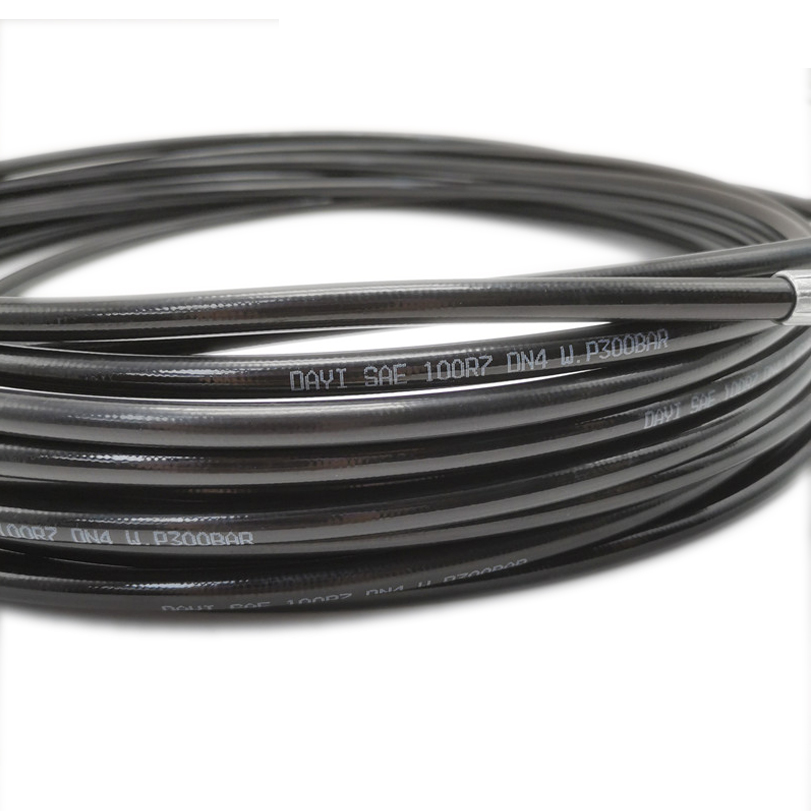
The performance of a hydraulic hose is dictated by several engineering considerations. Burst pressure, the pressure at which the hose fails catastrophically, is a primary specification. Working pressure is significantly lower, typically 50-75% of burst pressure, providing a safety factor. Hose selection must account for the maximum system pressure and pressure surges caused by pump pulsations or valve switching. Temperature range is another crucial parameter. Exposure to extreme temperatures can degrade rubber compounds, reducing flexibility and increasing the risk of failure. Fluid compatibility is paramount; incompatible fluids can cause swelling, softening, or cracking of the inner tube. Hose assemblies also experience dynamic stress due to bending, flexing, and vibration. Fatigue resistance, the ability to withstand repeated stress cycles, is a critical performance attribute. Hose routing and support are crucial engineering aspects. Sharp bends should be avoided, and hoses should be properly supported to prevent sagging and abrasion. Additionally, electrostatic discharge (ESD) can be a concern in certain applications, requiring the use of conductive hoses to dissipate static electricity and prevent ignition of flammable fluids. Finite Element Analysis (FEA) is commonly employed during the design phase to optimize hose construction and predict stress distribution under various loading conditions.
Technical Specifications
| Parameter | SAE 100R1 (Typical) | SAE 100R2 (Typical) | DIN EN 853 1SN (Typical) | DIN EN 857 2SN (Typical) |
|---|---|---|---|---|
| Working Pressure (PSI) | 1000 | 1200 | 1500 | 2000 |
| Burst Pressure (PSI) | 3000 | 3600 | 4500 | 6000 |
| Temperature Range (°F) | -40 to 212 | -40 to 212 | -40 to 212 | -40 to 212 |
| Inner Tube | NBR | NBR | NBR | NBR |
| Reinforcement | Single Textile Braid | Double Steel Wire Braid | Single Steel Wire Spiral | Double Steel Wire Spiral |
| Outer Cover | CR | CR | CR | CR |
Failure Mode & Maintenance
Hydraulic hose failure can result from a variety of mechanisms. Fatigue cracking, caused by repeated flexing, is a common failure mode, particularly in applications with high-frequency pulsations. Abrasion, resulting from contact with abrasive surfaces, can wear through the outer cover and reinforcement layers. Pinholes, small leaks in the inner tube, can occur due to degradation of the rubber compound or damage from foreign objects. Twisting, caused by improper hose routing, can induce localized stress and lead to kinking or rupture. Over-pressurization, exceeding the hose’s working pressure, can cause catastrophic failure. Fluid incompatibility can lead to swelling, softening, and cracking of the inner tube. Aging, due to exposure to heat, ozone, and UV radiation, can degrade the rubber compounds, reducing their flexibility and strength. Preventative maintenance is crucial. Regular visual inspections should be performed to identify signs of wear, damage, or leaks. Hoses should be replaced periodically, based on manufacturer recommendations and operating conditions. Proper hose routing and support are essential to minimize stress and abrasion. Fluid contamination should be prevented through the use of filters and proper fluid handling procedures. When replacing hoses, ensure compatibility with the hydraulic fluid and operating conditions.
Industry FAQ
Q: What is the difference between braided and spiral-wound hydraulic hoses?
A: Braided hoses utilize multiple layers of interwoven steel wire, offering excellent flexibility and resistance to kinking. Spiral-wound hoses employ a single continuous wire spiraled around the inner tube, providing higher pressure ratings and greater resistance to distortion under load. Spiral hoses generally perform better in high-pressure and high-temperature applications.
Q: How does temperature affect hydraulic hose performance?
A: Elevated temperatures can accelerate the degradation of rubber compounds, reducing their elasticity and tensile strength. Low temperatures can cause the rubber to become brittle and less flexible. Exceeding the hose’s specified temperature range can significantly reduce its lifespan and increase the risk of failure.
Q: What is the importance of impulse testing?
A: Impulse testing simulates the pulsating loads generated by pumps and valves in hydraulic systems. This testing verifies the hose’s ability to withstand repeated pressure surges without fatigue cracking or rupture. It’s a critical performance indicator for hoses used in dynamic applications.
Q: How do I determine the correct hose size for my application?
A: Hose size (inner diameter) should be selected based on the flow rate and fluid velocity required for the system. Undersized hoses can create excessive pressure drop, while oversized hoses can lead to slower response times. Consult hose sizing charts and consider the system’s operating parameters.
Q: What are the common causes of hose leaks?
A: Common causes include abrasion, damage from external objects, corrosion, improper installation (e.g., over-tightening fittings), and degradation of the rubber compound due to age or fluid incompatibility. Regular inspections and preventative maintenance are crucial for identifying and addressing potential leak sources.
Conclusion
Hydraulic hoses from Chinese manufacturers offer a competitive solution for a wide range of fluid power applications. However, understanding the intricacies of material science, manufacturing processes, and performance characteristics is paramount for ensuring reliable operation and preventing premature failure. Careful consideration of factors such as pressure rating, temperature range, fluid compatibility, and fatigue resistance is essential for selecting the appropriate hose for a given application.
Maintaining a robust preventative maintenance program, including regular inspections and timely replacement of worn or damaged hoses, is crucial for maximizing system uptime and minimizing the risk of costly failures. Adherence to relevant industry standards, such as SAE and DIN EN, further enhances the safety and reliability of hydraulic hose systems.