
Apr . 01, 2024 17:55 Back to list
china competitive price hydraulic hose factory Performance Analysis
Introduction
Hydraulic hoses are a critical component in fluid power systems, responsible for transmitting hydraulic fluid to actuators and other components. China has become a globally significant manufacturer of hydraulic hoses, offering competitive pricing alongside increasingly sophisticated engineering and quality control. This technical guide focuses on the core properties, manufacturing considerations, performance characteristics, failure modes, and maintenance protocols associated with china competitive price hydraulic hose factory products. These hoses are employed across a diverse range of industries including construction, agriculture, mining, manufacturing, and transportation. A primary driver for the industry is the demand for hoses capable of handling high pressures, extreme temperatures, and corrosive fluids, demanding a deep understanding of material science and robust manufacturing techniques. The competitive pricing landscape necessitates optimized processes without compromising safety and reliability. This guide provides an in-depth exploration of these aspects, geared towards engineers, procurement managers, and maintenance personnel.
Material Science & Manufacturing
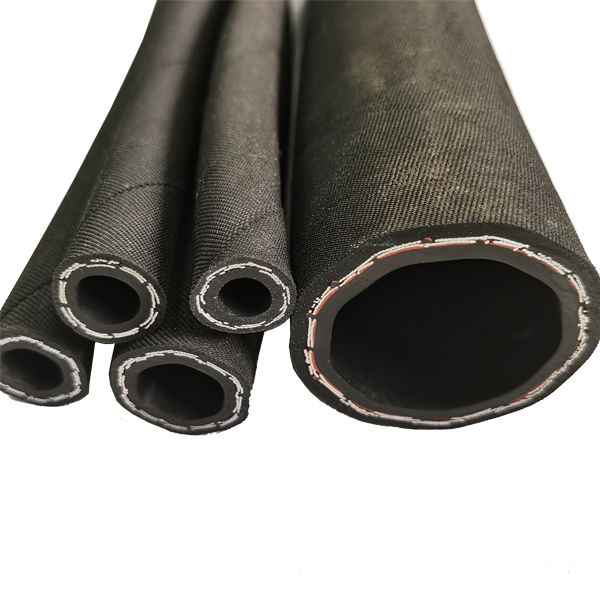
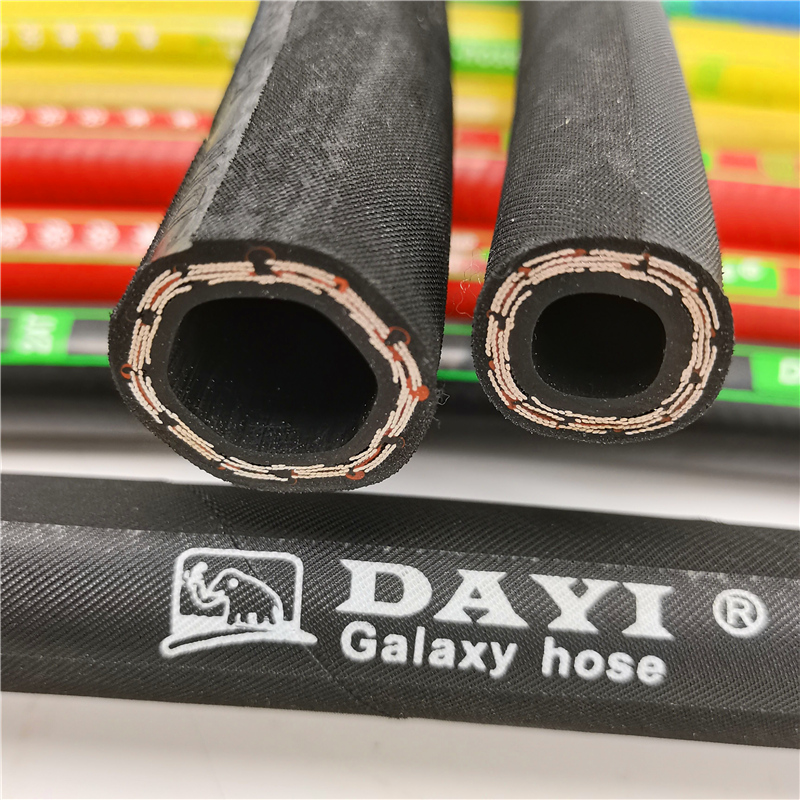
The core of a hydraulic hose lies in its constituent materials. Typically, these hoses are constructed from an inner tube, reinforcement layers, and an outer cover. The inner tube is commonly made of synthetic rubbers like nitrile (NBR), ethylene propylene diene monomer (EPDM), or fluorocarbon (FKM) – each offering varying levels of chemical resistance and temperature tolerance. NBR is widely used for petroleum-based fluids, while EPDM excels with phosphate ester fluids. FKM provides superior resistance to high temperatures and aggressive chemicals. The reinforcement layer provides the hose's pressure resistance. This commonly consists of multiple layers of high-tensile steel wire, spirally wound or braided. The number and configuration of these wires directly impact the hose's working pressure. Finally, the outer cover, typically made of chloroprene (CR) rubber, provides abrasion resistance and protection against environmental factors like UV exposure and ozone. Manufacturing involves several critical processes. The inner tube is extruded through a die, followed by the application of reinforcement layers via winding or braiding. Precise tension control during winding/braiding is crucial for maintaining dimensional stability and preventing distortion under pressure. The outer cover is then extruded over the reinforced tube. Critical parameters include extrusion temperature, cooling rates, and vulcanization time. Proper vulcanization ensures the rubber compounds achieve optimal cross-linking for desired mechanical properties. Quality control includes burst pressure testing, impulse testing (to assess fatigue resistance), and dimensional checks. Variations in raw material composition, improper curing, or inconsistent reinforcement layering can significantly affect the hose’s performance and lifespan.
Performance & Engineering
Hydraulic hose performance is governed by several engineering principles. Pressure rating, expressed in PSI or Bar, is paramount and dictated by the reinforcement layer's strength and configuration. Working pressure is significantly lower than burst pressure, typically with a safety factor of 4:1. Hose selection must account for the system’s maximum operating pressure, as well as potential pressure spikes and surges. Fatigue resistance, assessed through impulse testing (cyclic pressure application), is critical in applications with frequent pressure fluctuations. Temperature range is another key consideration. Extreme temperatures can degrade the rubber compounds, leading to reduced flexibility and eventual failure. Fluid compatibility is crucial. Incompatible fluids can cause swelling, softening, or chemical attack of the inner tube, compromising its integrity. Hose bend radius is also important. Exceeding the minimum bend radius can induce stress concentrations and lead to premature failure. Furthermore, hose assemblies must be properly terminated with fittings. Incorrectly crimped or mismatched fittings can create leak paths or stress points. Engineering calculations, including force analysis under pressure and stress-strain analysis of the reinforcement layers, are essential to ensure safe and reliable operation. Industry standards like SAE J517 and ISO 6898 provide guidelines for performance testing and classification of hydraulic hoses.
Technical Specifications
| Parameter | Unit | Typical Value (NBR Inner Tube, Steel Wire Reinforcement) | Typical Value (FKM Inner Tube, Stainless Steel Wire Reinforcement) |
|---|---|---|---|
| Working Pressure | PSI | 3000 | 5000 |
| Burst Pressure | PSI | 9000 | 15000 |
| Temperature Range | °F | -40 to 212 | -15 to 450 |
| Inner Tube Material | - | Nitrile Rubber (NBR) | Fluorocarbon (FKM) |
| Reinforcement | - | High-Tensile Steel Wire (Multiple Layers) | Stainless Steel Wire (Multiple Layers) |
| Cover Material | - | Chloroprene Rubber (CR) | Chloroprene Rubber (CR) |
Failure Mode & Maintenance
Hydraulic hose failures commonly manifest as leaks, bursts, or reduced flow. Common failure modes include: 1) Fatigue Cracking: Resulting from repeated pressure cycles and flexing, particularly at the fitting interface. 2) Abrasion: Caused by external contact with rough surfaces, degrading the outer cover and exposing reinforcement layers. 3) Pinholes: Often caused by corrosion or damage to the inner tube. 4) Delamination: Separation of reinforcement layers or the cover from the inner tube, reducing pressure resistance. 5) Oxidation/Degradation: Rubber compounds degrade over time due to exposure to heat, ozone, and UV radiation. 6) Kinking: Sharp bends exceeding the minimum bend radius cause internal damage. Preventative maintenance is crucial. Regular visual inspections should identify abrasions, cracks, or swelling. Pressure testing can detect internal leaks. Hose assemblies should be replaced at recommended intervals, even if no visible damage is apparent. Proper routing and support are essential to prevent kinking and abrasion. Using hose guards and clamps can provide additional protection. Avoid exposing hoses to excessive heat or corrosive fluids. When replacing hoses, always use compatible fittings and ensure proper crimping. Detailed records of hose replacements and maintenance activities are recommended. Analyzing failed hoses can provide valuable insights into the root causes of failure and help prevent future incidents.
Industry FAQ
Q: What is the impact of fluid velocity on hydraulic hose lifespan?
A: Higher fluid velocity increases erosion of the inner tube, particularly with abrasive fluids. It also generates heat, which accelerates rubber degradation. Selecting a hose with an appropriate inner diameter to maintain recommended fluid velocities (typically 15-25 ft/s) is crucial for extending lifespan.
Q: How does the type of fitting affect hose performance?
A: Incorrectly sized or improperly crimped fittings are a primary cause of hose failure. Fittings must be compatible with the hose and the fluid being conveyed. The crimp should provide a secure connection without overstressing the hose.
Q: What are the advantages of using stainless steel reinforcement over steel reinforcement?
A: Stainless steel reinforcement offers superior corrosion resistance, making it ideal for applications involving corrosive fluids or harsh environments. It also exhibits higher tensile strength, allowing for higher pressure ratings.
Q: What considerations should be made when selecting a hose for use with phosphate ester fluids?
A: Phosphate ester fluids require hoses with EPDM inner tubes, as NBR and other rubber compounds are not compatible and will degrade rapidly. Careful selection of fitting materials is also necessary, as some metals can be corroded by these fluids.
Q: Can a hydraulic hose be repaired if it develops a minor leak?
A: Generally, repairs are not recommended for hydraulic hoses, especially those operating under high pressure. Attempting a repair can compromise the hose’s structural integrity and create a safety hazard. Replacement is the preferred solution.
Conclusion
The selection, installation, and maintenance of hydraulic hoses are critical for the safe and efficient operation of hydraulic systems. China competitive price hydraulic hose factory products represent a compelling combination of cost-effectiveness and increasingly advanced engineering. Understanding the underlying material science, manufacturing processes, and performance characteristics is paramount for ensuring optimal performance and preventing premature failures. Proper hose selection must consider pressure ratings, temperature ranges, fluid compatibility, and environmental factors.
Moving forward, advancements in hose technology will likely focus on developing more durable materials, improving manufacturing techniques, and incorporating smart monitoring systems to predict and prevent failures. Prioritizing regular inspections, preventative maintenance, and adherence to industry standards will remain essential for maximizing hose lifespan and minimizing downtime. The continued growth of the Chinese hydraulic hose industry will be driven by innovation, quality control, and a commitment to meeting the evolving needs of global customers.