
Apr . 01, 2024 17:55 Back to list
china competitive price hydraulic hose factories Technical Analysis
Introduction
Hydraulic hoses are a critical component in fluid power systems, transmitting hydraulic fluid to actuate cylinders, motors, and other devices. China has become a significant global manufacturer of hydraulic hoses, offering competitive pricing alongside increasingly sophisticated production capabilities. This guide focuses on the technical aspects of these china competitive price hydraulic hose factories’ products, encompassing material science, manufacturing processes, performance characteristics, failure modes, and industry standards. These hoses are utilized across diverse sectors including construction, agriculture, mining, material handling, and industrial manufacturing. A core industry pain point revolves around balancing cost-effectiveness with long-term reliability, particularly concerning abrasion resistance, pressure capacity, and resistance to chemical degradation. The selection of the correct hose, fitting, and assembly method is paramount to system safety and longevity. This document provides a deep technical dive to aid engineers and procurement professionals in making informed decisions.
Material Science & Manufacturing
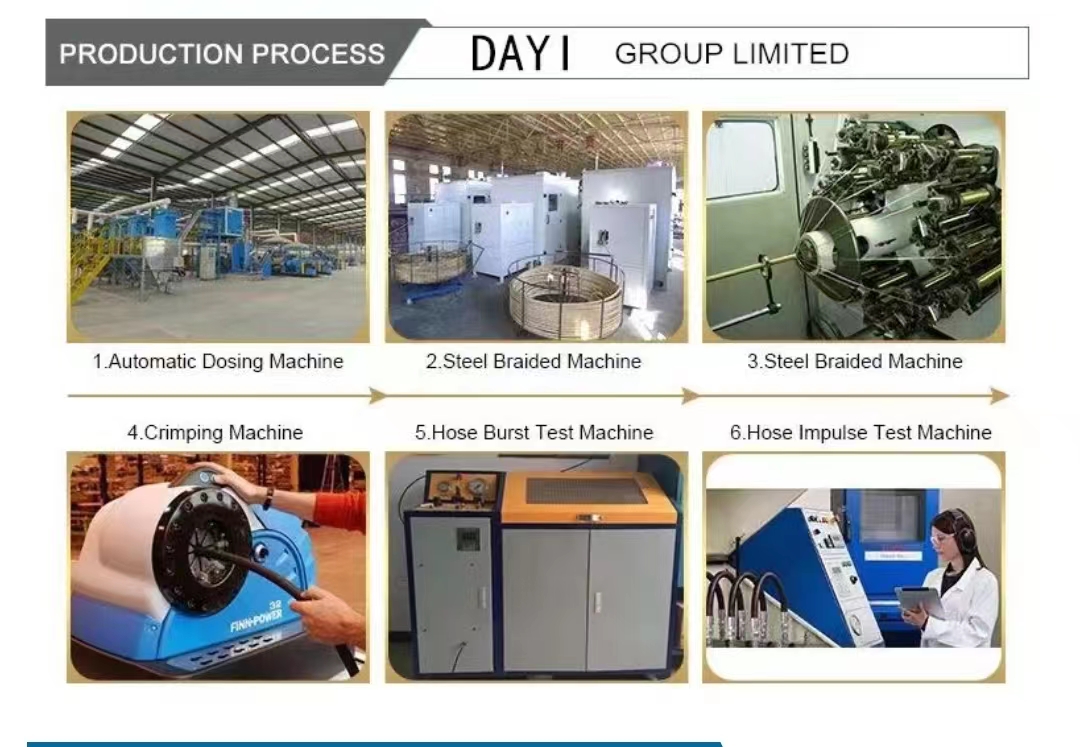
Hydraulic hoses are typically constructed from multiple layers, each contributing to specific performance characteristics. The inner tube, in direct contact with the hydraulic fluid, is often composed of synthetic rubber compounds such as nitrile (NBR), ethylene propylene diene monomer (EPDM), or fluorocarbon (FKM/Viton). NBR offers good resistance to petroleum-based fluids, EPDM excels in phosphate ester fluids, and FKM provides superior resistance to high temperatures and aggressive chemicals. The reinforcement layer, crucial for pressure resistance, commonly utilizes high-tensile steel wire (single or multiple braids) or synthetic fiber (aramid or polyester). Steel wire reinforcement offers higher pressure ratings but is heavier and less flexible, while synthetic fiber provides enhanced flexibility and reduced weight. The outer cover, providing protection against abrasion, weathering, and oil, is frequently made of chloroprene (CR) rubber. Manufacturing processes vary depending on hose type and reinforcement. Braided hoses are created by spiraling steel wire around a mandrel, followed by extrusion of the inner tube and outer cover. Spiral-cut hoses use a single, continuously wound steel wire. Critical parameters include proper vulcanization time and temperature to ensure complete crosslinking of rubber compounds, consistent wire tension during braiding, and adherence to strict dimensional tolerances. Improper vulcanization can lead to reduced elasticity and increased permeability, while inconsistent wire tension compromises burst pressure. The quality of the adhesion between layers is also critical.
Performance & Engineering
The performance of a hydraulic hose is dictated by several key engineering considerations. Burst pressure, the maximum pressure the hose can withstand before failure, is a primary specification. Working pressure is significantly lower, typically 50-75% of burst pressure, providing a safety margin. Flexibility, measured by bend radius, is critical for ease of installation and preventing kinking. Impulse pressure, representing cyclical pressure fluctuations, is a significant factor in hose fatigue life. Hose assemblies must be engineered to accommodate axial movement, angular deflection, and vibration. Force analysis involves calculating the tensile stress on the hose reinforcement due to internal pressure and external loads. Environmental resistance is also crucial. Exposure to ozone, UV radiation, and extreme temperatures can degrade rubber compounds, reducing their elasticity and increasing the risk of cracking. Compliance requirements vary by region and application. For example, SAE J517 specifies performance requirements for hydraulic hoses used in mobile equipment, while EN 856 defines standards for hydraulic hoses in industrial applications. Fitting selection is equally important. Fittings must be compatible with the hose material and reinforcement, and properly crimped to create a leak-proof seal. Improperly crimped fittings can lead to premature failure.
Technical Specifications
| Hose Type | Working Pressure (PSI) | Burst Pressure (PSI) | Temperature Range (°F) |
|---|---|---|---|
| NBR, Single Wire Braid | 2000 | 8000 | -40 to 212 |
| EPDM, Single Wire Braid | 1500 | 6000 | -58 to 250 |
| FKM/Viton, Single Wire Braid | 3000 | 12000 | -20 to 450 |
| NBR, Double Wire Braid | 3000 | 12000 | -40 to 212 |
| EPDM, Double Wire Braid | 2250 | 9000 | -58 to 250 |
| PTFE, Single Braid | 5000 | 20000 | -65 to 500 |
Failure Mode & Maintenance
Hydraulic hose failure can occur through several mechanisms. Fatigue cracking, caused by repeated flexing and pressure cycling, is a common issue, particularly near fittings. Abrasion, resulting from contact with abrasive surfaces, can wear through the outer cover and reinforcement. Chemical degradation, caused by exposure to incompatible fluids, can swell or dissolve rubber compounds. Oxidation, induced by exposure to ozone and UV radiation, leads to cracking and loss of elasticity. Fitting failure, often due to improper crimping or corrosion, results in leakage. Internal corrosion or erosion can occur if the hose is used with contaminated fluid. Maintenance is crucial for extending hose life. Regular visual inspections should identify cracks, abrasions, and leaks. Hoses should be replaced if damaged or exhibiting signs of wear. Fluid cleanliness is paramount; use filters to remove contaminants. Ensure proper hose routing to avoid excessive bending and abrasion. Periodically check fitting tightness and crimp integrity. Consider implementing a hose management program to track hose age, usage, and maintenance history. Failure analysis should be conducted on failed hoses to identify the root cause and prevent future occurrences. Specifically, examining the fracture surface can reveal information about the type of stress (tensile, fatigue, corrosion) that led to failure.
Industry FAQ
Q: What is the impact of fluid compatibility on hose life?
A: Incorrect fluid compatibility is a major cause of hose failure. Hydraulic fluids can cause swelling, softening, or degradation of the inner tube material. For example, using petroleum-based fluids in an EPDM hose can lead to rapid deterioration. Always verify the hose material is compatible with the intended fluid, consulting compatibility charts provided by hose manufacturers.
Q: How does temperature affect hydraulic hose performance?
A: Temperature extremes significantly impact hose performance. High temperatures can reduce the elasticity and tensile strength of rubber compounds, increasing the risk of cracking. Low temperatures can make hoses brittle and prone to damage. Exceeding the specified temperature range can lead to premature failure. Consider the operating temperature range when selecting a hose.
Q: What is the significance of hose layline markings?
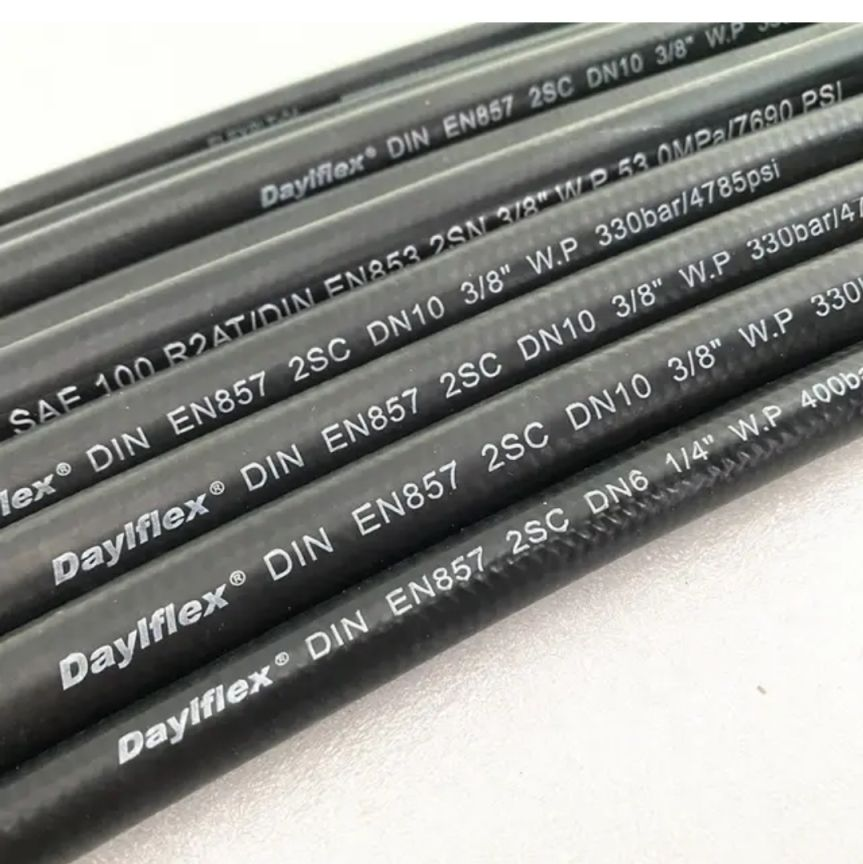
A: Layline markings provide vital information about the hose, including manufacturer, hose type, working pressure, and date of manufacture. This information is critical for traceability and ensuring the hose meets the required specifications. Regularly inspect layline markings and replace hoses that are beyond their service life.
Q: What are the best practices for hose assembly?
A: Proper hose assembly is crucial for preventing leaks and ensuring long-term reliability. Use only compatible fittings and ensure they are properly crimped according to the manufacturer's specifications. Utilize a calibrated crimping machine and inspect the crimp for proper depth and coverage. Avoid over-crimping, which can damage the hose reinforcement. Always use a safety collar.
Q: What is the role of impulse pressure in hose selection?
A: Impulse pressure, or pressure spikes, can cause significant stress on the hose reinforcement and lead to fatigue failure. Select a hose with a sufficient impulse pressure rating to withstand the expected pressure fluctuations in the system. Consider using hoses with specialized construction features, such as internal anti-collapse rings, to resist impulse damage.
Conclusion
China competitive price hydraulic hose factories now offer a compelling balance between cost and performance. Understanding the underlying material science, manufacturing processes, and critical performance parameters is vital for engineers and procurement specialists. Selecting the appropriate hose based on application requirements – including fluid compatibility, temperature, pressure, and environmental conditions – is paramount to system reliability and safety.
Continuous monitoring of hose condition, adherence to proper maintenance procedures, and proactive failure analysis are essential for maximizing service life and minimizing downtime. By prioritizing quality and adhering to industry standards, users can leverage the advantages offered by these manufacturers while mitigating potential risks. Future developments will likely focus on advanced materials, improved manufacturing techniques, and smart hose technologies for predictive maintenance.