
Apr . 01, 2024 17:55 Back to list
china cat hydraulic hose supplier Performance Analysis
Introduction
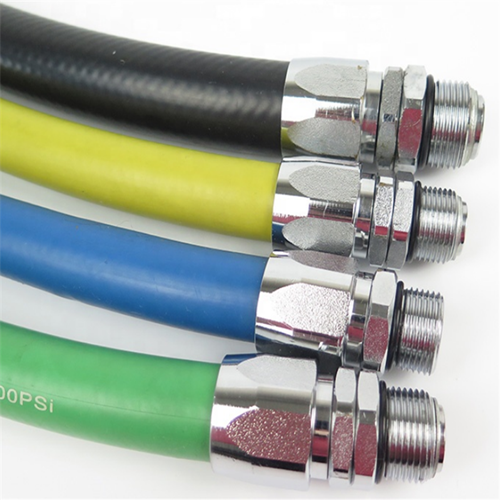
Hydraulic hoses are critical components in fluid power systems, transmitting hydraulic fluid to actuators and motors. China Cat Hydraulic Hose Supplier specializes in the manufacture and distribution of high-pressure hydraulic hoses, fittings, and related components. These hoses find application across a broad spectrum of industries including construction, agriculture, mining, oil & gas, and manufacturing. The technical position within the industrial chain places them as Tier 2 suppliers, converting raw materials into essential sub-assemblies for original equipment manufacturers (OEMs) and maintenance, repair, and overhaul (MRO) operations. Core performance characteristics center on pressure rating, burst pressure, operating temperature range, fluid compatibility, and resistance to abrasion and environmental degradation. The critical industry pain point revolves around achieving consistently high reliability in demanding applications, minimizing downtime due to hose failure, and ensuring compliance with stringent safety standards. Failure often results in significant production losses and potential safety hazards. This guide provides a comprehensive technical overview of hydraulic hoses, focusing on the materials, manufacturing, performance, failure modes, and maintenance aspects relevant to procuring from a specialized supplier like China Cat Hydraulic Hose Supplier.
Material Science & Manufacturing
Hydraulic hoses are typically constructed from multiple layers, each serving a specific function. The inner tube, which comes into direct contact with the hydraulic fluid, is commonly made from synthetic rubbers such as nitrile (NBR), ethylene propylene diene monomer (EPDM), or fluorocarbon (FKM/Viton). NBR provides excellent resistance to petroleum-based fluids, EPDM offers superior performance in phosphate ester fluids and high-temperature applications, and FKM exhibits exceptional chemical resistance and temperature stability. The reinforcement layer provides the hose’s strength and pressure-bearing capacity. Materials used for reinforcement include high-tensile steel wire (single or multi-wire braid), spiral steel wire, and synthetic fiber braids (aramid, polyester). The outer cover protects the reinforcement layer from abrasion, weathering, and chemical attack. Common cover materials include synthetic rubbers such as chloroprene (CR), styrene-butadiene rubber (SBR), and polyurethane. Manufacturing processes vary depending on the hose type. Braided hoses are produced by interweaving the reinforcement wires around a mandrel, followed by extrusion of the inner tube and outer cover. Spiral hoses utilize a continuously wound, high-tensile steel wire to achieve higher pressure ratings. Key parameter control during manufacturing includes precise control of rubber compound mixing ratios, temperature and pressure during extrusion, wire tension during braiding or winding, and curing time and temperature to ensure optimal material properties and bonding between layers. Process control is essential to maintain consistent dimensional accuracy and prevent defects like voids or delamination.

Performance & Engineering
Hydraulic hose performance is dictated by several engineering considerations. Burst pressure, defined as the pressure at which the hose fails, is a critical safety parameter. Working pressure, typically a fraction of the burst pressure (often 75% as a safety factor), is the maximum continuous operating pressure. Hose performance is also affected by temperature. Elevated temperatures can reduce the hose’s pressure rating and accelerate degradation of the rubber compounds. Conversely, low temperatures can reduce flexibility and increase the risk of cracking. Environmental resistance is paramount. Exposure to ozone, UV radiation, and chemicals can cause the rubber to degrade, leading to reduced performance and potential failure. Force analysis is crucial in applications involving bending, flexing, and vibration. Repeated bending can induce fatigue failure in the reinforcement layers. Hose assembly design, including the proper selection of fittings and crimping methods, is vital to ensure a leak-free and structurally sound connection. Compliance requirements are defined by industry standards (see section 7) and often dictate specific material requirements, testing procedures, and certification protocols. Finite element analysis (FEA) is frequently employed to simulate hose behavior under various loading conditions and optimize design parameters.
Technical Specifications
| Parameter | Unit | Specification (Typical) | Testing Standard |
|---|---|---|---|
| Working Pressure | MPa | 10 - 35 | SAE J517 |
| Burst Pressure | MPa | 30 - 105 | SAE J517 |
| Temperature Range | °C | -40 to +100 | SAE J517 |
| Inner Tube Material | - | NBR, EPDM, FKM | ASTM D2000 |
| Reinforcement | - | Steel Wire Braid (1SP, 2SP, 4SP), Spiral Steel Wire | SAE J517 |
| Outer Cover Material | - | CR, SBR, Polyurethane | ASTM D2000 |
Failure Mode & Maintenance
Hydraulic hose failure can manifest in several ways. Fatigue cracking, induced by repeated bending and flexing, is a common failure mode in high-cycle applications. Delamination, the separation of layers within the hose wall, can occur due to poor bonding during manufacturing or exposure to corrosive fluids. Degradation of the rubber compounds, caused by ozone, UV radiation, or chemical attack, can lead to cracking and loss of flexibility. Oxidation, particularly at elevated temperatures, can embrittle the rubber and reduce its strength. Pinholes or leaks can develop in the inner tube due to abrasion from fluid contaminants or manufacturing defects. Improper hose assembly, such as incorrect crimping, can create stress concentrations and accelerate failure. Maintenance procedures are critical to extend hose life. Regular visual inspections should be conducted to identify signs of cracking, abrasion, or swelling. Fluid cleanliness is paramount; filtering the hydraulic fluid removes abrasive particles that can damage the inner tube. Hoses should be replaced at recommended intervals, even if no visible damage is present. Avoid sharp bends and excessive twisting during installation. Proper storage is essential; hoses should be stored in a cool, dry place away from direct sunlight and ozone sources. Incorrect handling such as dragging hoses across abrasive surfaces must be avoided.
Industry FAQ
Q: What is the difference between a 1SP, 2SP and 4SP hose?
A: The "SP" designation refers to the number of steel wire spirals in the reinforcement layer. 1SP indicates one spiral, 2SP indicates two spirals, and 4SP indicates four spirals. Increasing the number of spirals significantly increases the hose’s pressure rating and burst strength. Generally, 4SP hoses are used for the highest pressure applications.
Q: How does temperature affect hydraulic hose performance?
A: Elevated temperatures can reduce the hose's pressure rating and accelerate the degradation of the rubber compounds, leading to reduced service life. Conversely, low temperatures can decrease flexibility and increase the risk of cracking, especially during bending. The specified temperature range for a hose must always be considered.
Q: What is the importance of fluid compatibility?
A: Using a hose with an incompatible inner tube material can lead to rapid degradation of the hose, swelling, cracking, and ultimately, failure. The inner tube material must be chemically resistant to the hydraulic fluid being used. Always consult a compatibility chart or manufacturer's recommendations.
Q: What are the common causes of hose crimp failures?
A: Improper crimping is a leading cause of hose assembly failure. This can include using the wrong die size, insufficient crimp force, or damaged crimping equipment. Ensuring correct crimping procedures and regular equipment calibration are vital.
Q: How can I extend the life of my hydraulic hoses?
A: Implementing a regular inspection and maintenance program, maintaining fluid cleanliness, avoiding sharp bends and excessive twisting, using appropriate hose protection sleeves, and storing hoses properly will all significantly extend their service life.
Conclusion
Hydraulic hoses are integral to the operation of fluid power systems, and their selection and maintenance are paramount for ensuring system reliability and safety. China Cat Hydraulic Hose Supplier provides a range of hoses engineered to meet diverse industrial applications, with a focus on material science, precise manufacturing controls, and adherence to stringent industry standards. Understanding the interplay between pressure ratings, temperature limitations, fluid compatibility, and potential failure modes is crucial for optimizing hose performance and minimizing downtime.
Proactive maintenance, including regular inspections and fluid cleanliness management, further enhances hose longevity and reduces the risk of catastrophic failure. Selecting a supplier with demonstrated expertise in hydraulic hose technology, like China Cat Hydraulic Hose Supplier, provides access to quality products and technical support to ensure optimal performance and system integrity. Continuous advancements in materials and manufacturing techniques are driving improvements in hose durability and performance, leading to increased efficiency and reduced operational costs.