
Apr . 01, 2024 17:55 Back to list
china cat hydraulic hose factory Performance Analysis
Introduction
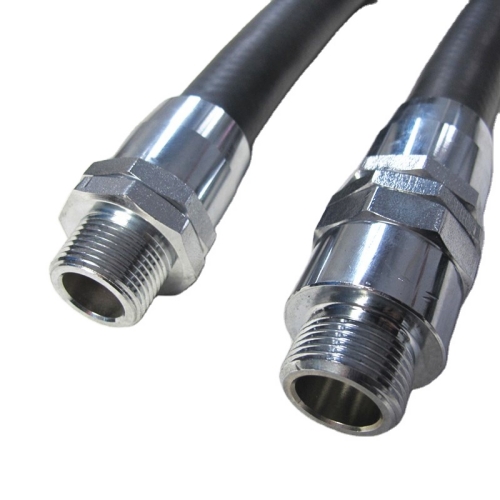
Hydraulic hoses manufactured by china cat hydraulic hose factory are critical components in fluid power systems across diverse industrial applications. These hoses are engineered to safely and efficiently transmit pressurized hydraulic fluid, facilitating power transmission in machinery used in construction, agriculture, manufacturing, and more. Their technical position within the industry chain resides between hose fitting manufacturers and the end-user equipment producers. Core performance characteristics include pressure rating, temperature resistance, fluid compatibility, and resistance to abrasion and environmental factors. The increasing demand for higher operating pressures and extended service life necessitates advanced hose designs incorporating reinforced constructions and specialized rubber compounds. A key industry pain point is ensuring consistent product quality and adherence to stringent safety standards given the potential for catastrophic failure and associated risks.
Material Science & Manufacturing
The primary raw materials for hydraulic hose construction are synthetic rubbers, reinforcement materials, and cover compounds. Common synthetic rubbers include nitrile rubber (NBR) for oil resistance, ethylene propylene diene monomer (EPDM) for heat and weather resistance, and chloroprene rubber (CR) offering a balance of properties. Reinforcement typically comprises multiple layers of high-tensile steel wire, offering burst strength and preventing kinking. Cover compounds, often based on polyurethane or rubber blends, provide abrasion, ozone, and UV resistance. The manufacturing process typically involves several stages: rubber mixing and compounding, reinforcement spiral winding, hose extrusion, curing (vulcanization), and final inspection. Precise control of extrusion temperature, pressure, and curing time is paramount to achieving desired mechanical properties and dimensional accuracy. Steel wire surface treatment (e.g., zinc plating) is crucial for preventing corrosion and ensuring adhesion to the rubber matrix. The helical winding of steel wire is carefully controlled for pitch and tension to maximize burst pressure while maintaining hose flexibility. Batch consistency is verified through rigorous quality control checks throughout the production cycle, including tensile testing, burst pressure testing, and dimensional measurements.
Performance & Engineering
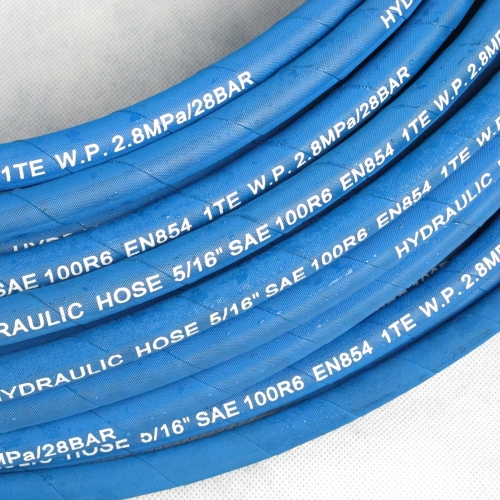
Hydraulic hose performance is governed by a complex interplay of pressure, temperature, fluid compatibility, and external factors. Force analysis during operation considers internal pressure leading to hoop stress, axial stress due to reinforcement layers, and bending stress from hose routing. The hose must withstand cyclic pressure loading without fatigue failure. Environmental resistance is critical; exposure to ozone, UV radiation, and extreme temperatures can degrade rubber compounds, reducing hose life. Compliance requirements are stringent, often dictated by standards like SAE J517 (for hydraulic hose performance) and ISO 6898 (for hydraulic fluid power – safety requirements). Functional implementation requires careful consideration of hose assembly techniques, including proper crimping of fittings to ensure a leak-proof and mechanically secure connection. The choice of fitting material (e.g., carbon steel, stainless steel) must be compatible with both the hose and the hydraulic fluid to prevent corrosion. Hose guarding is frequently employed to protect against abrasion, impact, and kinking, extending the service life and enhancing safety. Proper hose routing and support are also crucial to minimizing bending stress and preventing premature failure.
Technical Specifications
| Working Pressure (PSI) | Burst Pressure (PSI) | Temperature Range (°F) | Inner Tube Material |
|---|---|---|---|
| 1000 | 4000 | -40 to 212 | NBR (Nitrile Rubber) |
| 2000 | 8000 | -40 to 248 | NBR (Nitrile Rubber) |
| 1500 | 6000 | -40 to 250 | EPDM (Ethylene Propylene Diene Monomer) |
| 3000 | 12000 | -40 to 250 | EPDM (Ethylene Propylene Diene Monomer) |
| 2500 | 10000 | -40 to 275 | SAE 100 R17 |
| 4000 | 16000 | -40 to 302 | SAE 100 R17 |
Failure Mode & Maintenance
Common failure modes in hydraulic hoses include burst failure due to exceeding pressure limits, fatigue cracking from cyclic loading, abrasion damage from external contact, kinking restricting fluid flow, and degradation of rubber compounds due to exposure to heat, chemicals, or UV radiation. Burst failures are often initiated by defects in the reinforcement layers or localized thinning of the inner tube. Fatigue cracking typically originates at points of high stress concentration, such as near fittings or bends. Abrasion damage manifests as gradual wear of the cover, eventually exposing the reinforcement layers. Kinking can lead to localized pressure spikes and eventual hose rupture. Oxidation and chemical attack cause the rubber to become brittle and lose its elasticity. Preventative maintenance includes regular visual inspections for signs of wear, abrasion, or leakage. Hose assemblies should be replaced periodically, even if no visible damage is apparent, based on manufacturer recommendations and operating conditions. Proper hose routing and guarding are essential for preventing abrasion and kinking. Regular fluid analysis can identify contaminants that can accelerate hose degradation. Crimping procedures should be verified to ensure proper fitting attachment. When replacing hoses, ensure compatibility of materials with the hydraulic fluid.
Industry FAQ
Q: What is the significance of the SAE J517 standard for hydraulic hoses?
A: SAE J517 defines performance requirements for hydraulic hoses, including pressure rating, temperature range, and fluid compatibility. It’s critical for ensuring hoses meet minimum safety standards and are suitable for specific applications. Compliance demonstrates a commitment to quality and reliability, reducing the risk of catastrophic failures.
Q: How does the reinforcement material affect the hose's performance?
A: The reinforcement material, typically steel wire, provides the hose's burst strength and resistance to kinking. The number of layers, wire diameter, and winding configuration all influence the hose's ability to withstand high pressures and maintain its shape under stress. Higher reinforcement layers result in higher burst pressures.
Q: What are the key considerations when selecting a hydraulic hose for a specific application?
A: Key considerations include the operating pressure, temperature range, hydraulic fluid type, external environment, and required flexibility. Choosing a hose with inadequate pressure or temperature rating, or incompatible with the fluid, can lead to premature failure and safety hazards.
Q: How can I prevent abrasion damage to hydraulic hoses?
A: Proper hose routing, using hose guards, and avoiding contact with abrasive surfaces are crucial for preventing abrasion damage. Regularly inspect hoses for wear and replace them if the cover is compromised. Secure the hoses to prevent them from rubbing against other components.
Q: What is the proper procedure for assembling hydraulic hose fittings?
A: Proper assembly requires using the correct crimping machine and die set for the hose and fitting combination. The crimp must be secure and leak-proof without damaging the hose. Following the fitting manufacturer’s instructions is essential. Improper crimping can significantly reduce the hose's lifespan and create a safety hazard.
Conclusion
Hydraulic hoses from china cat hydraulic hose factory represent a critical link in the reliable operation of fluid power systems. Their performance is heavily influenced by material selection, manufacturing processes, and adherence to industry standards. Understanding the factors that contribute to hose failure, and implementing proactive maintenance practices, are essential for ensuring safety, minimizing downtime, and maximizing the lifespan of these vital components.
The ongoing trend towards higher operating pressures and more demanding environmental conditions necessitates continuous innovation in hose design and materials. Future developments will likely focus on advanced rubber compounds offering improved resistance to heat, chemicals, and abrasion, as well as smart hose technologies incorporating sensors for real-time monitoring of pressure, temperature, and structural integrity. This will contribute to increased system reliability and reduced lifecycle costs.