
Apr . 01, 2024 17:55 Back to list
china car washing hose supplier Performance Analysis
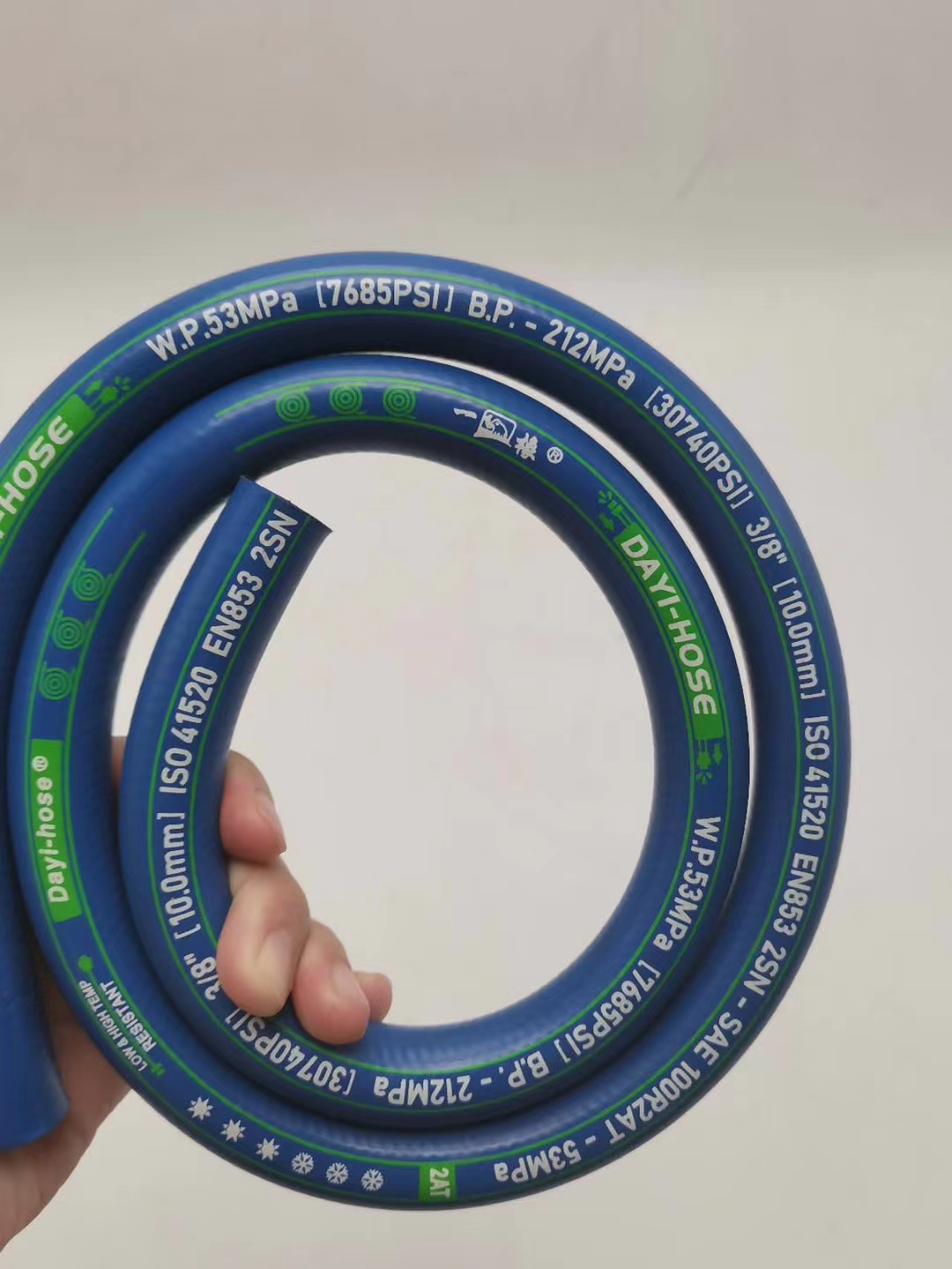
Introduction
Car washing hoses supplied from China represent a significant segment of the global automotive aftermarket, characterized by competitive pricing and increasing technological sophistication. These hoses are critical components in both professional car washing facilities and domestic automotive maintenance, requiring robust performance characteristics to withstand varying water pressures, temperatures, and chemical exposure. This technical guide provides an in-depth analysis of these hoses, covering material science, manufacturing processes, performance parameters, failure modes, and relevant industry standards. The core function of a car wash hose is the efficient and reliable transfer of water, often with added detergents and cleaning agents, under pressure. Key performance indicators (KPIs) include burst pressure, tensile strength, abrasion resistance, and resistance to ozone and UV degradation. The industry faces challenges related to material consistency, ensuring compliance with environmental regulations (phthalate content, lead levels), and meeting the evolving demands for higher pressure and extended service life. This guide aims to provide a comprehensive understanding of these aspects, enabling informed procurement decisions and optimized performance.
Material Science & Manufacturing
The predominant materials used in the construction of car washing hoses are various grades of PVC (Polyvinyl Chloride), rubber (typically SBR – Styrene-Butadiene Rubber, NBR – Nitrile Butadiene Rubber, or EPDM – Ethylene Propylene Diene Monomer), and reinforcing textiles. PVC is favored for its cost-effectiveness and good abrasion resistance, forming the inner and outer layers. Rubber compounds, particularly NBR and EPDM, are chosen for their flexibility, temperature resistance, and compatibility with common car wash detergents. Reinforcement is crucial to withstand high pressures and is typically achieved using braided polyester or nylon yarns. The manufacturing process generally involves extrusion of the PVC/rubber compound, simultaneous braiding of the reinforcement layer, and final curing/vulcanization. Precise control of extrusion temperatures (typically 180-220°C for PVC, 150-180°C for rubber) is critical to ensure homogenous material distribution and prevent thermal degradation. Braiding tension is another key parameter; insufficient tension compromises burst strength, while excessive tension can lead to hose kinking. Post-extrusion, hoses undergo quality control checks including pressure testing (hydrostatic testing at 1.5x working pressure), dimensional verification, and visual inspection for defects. The chemical composition of the PVC is also vital, with phthalate plasticizers often used to enhance flexibility. Increasingly, manufacturers are transitioning to phthalate-free plasticizers due to environmental concerns and stricter regulations. The mixing ratio of PVC resin to plasticizers significantly influences flexibility and low-temperature performance.

Performance & Engineering
The performance of a car washing hose is primarily governed by its ability to withstand internal pressure without failure. This is analyzed using burst pressure testing, measured in PSI (pounds per square inch) or bar. Engineering considerations include hoop stress calculation based on the hose's diameter and wall thickness, adhering to thin-walled pressure vessel theory. Tensile strength, measured using ASTM D2370, determines the hose's resistance to stretching and tearing, crucial during handling and use. Abrasion resistance, assessed via Taber abrasion testing (ASTM D5963), is critical for durability, particularly in professional car wash environments where hoses are frequently dragged across rough surfaces. Environmental resistance focuses on UV degradation (ASTM G154) and ozone cracking (ASTM G23). Prolonged exposure to sunlight and ozone can cause rubber compounds to lose elasticity and develop surface cracks, leading to premature failure. The choice of rubber compound (EPDM generally offers superior ozone resistance compared to SBR) and the addition of UV stabilizers are key engineering solutions. Furthermore, the hose must exhibit appropriate flexibility for ease of handling and coiling. This is influenced by the PVC/rubber blend and the degree of plasticization. Compliance with relevant safety standards (e.g., lead content restrictions under California Proposition 65) is paramount, impacting material selection and manufacturing processes. The kinking radius is also an important engineering parameter; a smaller kinking radius improves usability but increases stress concentration at the bend.
Technical Specifications
| Parameter | Unit | Typical Value (Standard Grade) | Premium Grade |
|---|---|---|---|
| Working Pressure | PSI | 200 | 300 |
| Burst Pressure | PSI | 600 | 900 |
| Tensile Strength | MPa | 12 | 18 |
| Abrasion Resistance (Taber) | mg loss | <50 | <30 |
| Operating Temperature Range | °C | -10 to 60 | -40 to 80 |
| Diameter | mm | 12.7 (1/2") | 19.05 (3/4") |
Failure Mode & Maintenance
Common failure modes in car washing hoses include burst failure due to exceeding the working pressure, kinking leading to localized stress and eventual rupture, and degradation of the rubber compound due to UV exposure, ozone attack, or chemical incompatibility. Fatigue cracking can occur in the reinforcement layer after repeated flexing and uncoiling. Delamination between the PVC/rubber layers can occur if bonding is inadequate during manufacturing. Oxidation of the rubber compound manifests as surface cracking and loss of elasticity. Failure analysis often reveals that burst failures originate from pre-existing defects (e.g., micro-cracks) exacerbated by stress concentration. Preventative maintenance includes regular visual inspection for cracks, kinks, and abrasion. Hoses should be properly stored when not in use, protected from direct sunlight and extreme temperatures. Avoid exposing the hose to harsh chemicals not specifically compatible with the rubber compound. Periodic flushing with clean water helps remove detergent residue and prevent clogging. If cracking or delamination is observed, the hose should be replaced immediately. Correct coiling techniques (avoiding sharp bends) minimize stress on the reinforcement layer and prolong service life. Pressure regulators should be used to maintain working pressure within specified limits.
Industry FAQ
Q: What is the impact of phthalate content in PVC hoses, and what alternatives are available?
A: Phthalates are plasticizers used to increase the flexibility of PVC. However, some phthalates are classified as endocrine disruptors and are subject to regulatory restrictions. Alternatives include phthalate-free plasticizers such as DINCH (Diisononyl Cyclohexanoate) and TOTM (Trioctyl Trimellitate), which offer comparable performance with a more favorable environmental profile. Choosing phthalate-free options demonstrates environmental responsibility and ensures compliance with regulations like REACH and California Proposition 65.
Q: How does water temperature affect the lifespan of a car wash hose?
A: Elevated water temperatures accelerate the degradation of both PVC and rubber compounds. Prolonged exposure to hot water can cause the PVC to become brittle and the rubber to lose elasticity. This reduces the hose's flexibility and increases its susceptibility to cracking. Using hoses within their specified temperature range is crucial for maximizing lifespan. For hot water applications, hoses specifically formulated with heat-resistant rubber compounds (e.g., EPDM) are recommended.
Q: What reinforcement materials provide the best burst pressure performance?
A: Braided polyester or nylon yarns offer the highest burst pressure resistance compared to spiral-wound reinforcement. The weave density and yarn strength directly influence the hose's ability to withstand internal pressure. Higher weave densities and stronger yarns result in greater burst strength. Double-braided reinforcement provides an even higher level of protection, suitable for demanding applications requiring exceptionally high pressure.
Q: What are the key considerations when selecting a hose for use with aggressive cleaning chemicals?
A: Chemical compatibility is paramount. The rubber compound must be resistant to the specific detergents, degreasers, and other cleaning chemicals used. NBR rubber generally offers good resistance to oils and fuels, while EPDM provides excellent resistance to ozone, weathering, and many common chemicals. Always consult the chemical resistance chart provided by the hose manufacturer to ensure compatibility.
Q: How can I identify a hose that is nearing the end of its service life?
A: Signs of wear and tear include visible cracks, abrasion, discoloration, swelling, or delamination. A reduction in flexibility or an increase in kinking tendency also indicate degradation. If the hose exhibits any of these symptoms, it should be inspected thoroughly and replaced if necessary. Regular pressure testing can also help identify weaknesses before a catastrophic failure occurs.
Conclusion
The selection and maintenance of car washing hoses are critical aspects of operational efficiency and safety in both professional and consumer automotive care. This guide has detailed the core material science principles governing hose performance, the intricacies of manufacturing processes, and the critical engineering considerations for ensuring durability and reliability. Understanding the potential failure modes and implementing proactive maintenance strategies are essential for maximizing service life and minimizing downtime.
Future trends in car wash hose technology are likely to focus on the development of more sustainable materials, including bio-based polymers and recycled plastics, alongside enhancements in hose design to further improve burst pressure resistance, abrasion resistance, and chemical compatibility. The adoption of smart hose technology, incorporating sensors to monitor pressure, temperature, and leakage, may also become increasingly prevalent, providing real-time data for predictive maintenance and optimized performance.