
Apr . 01, 2024 17:55 Back to list
china car washing hose factory Performance Analysis
Introduction
Automotive wash hoses, specifically those manufactured in China for global distribution, represent a critical component within the vehicle maintenance and detailing industry. These hoses facilitate the delivery of pressurized water and cleaning solutions, demanding robust construction and consistent performance. The Chinese manufacturing sector has become a dominant force in this market due to its cost-effectiveness and increasing technological capabilities. This guide will comprehensively examine the material science, manufacturing processes, performance characteristics, failure modes, and relevant standards associated with car washing hoses produced by Chinese factories. Core performance characteristics include burst pressure, working pressure, kink resistance, abrasion resistance, and chemical compatibility with common automotive cleaning agents. The industry faces challenges related to maintaining consistent quality, addressing environmental concerns surrounding material sourcing, and adhering to increasingly stringent international regulations. This document serves as a technical deep dive for procurement managers, engineers, and quality control professionals involved in sourcing and utilizing these hoses.
Material Science & Manufacturing
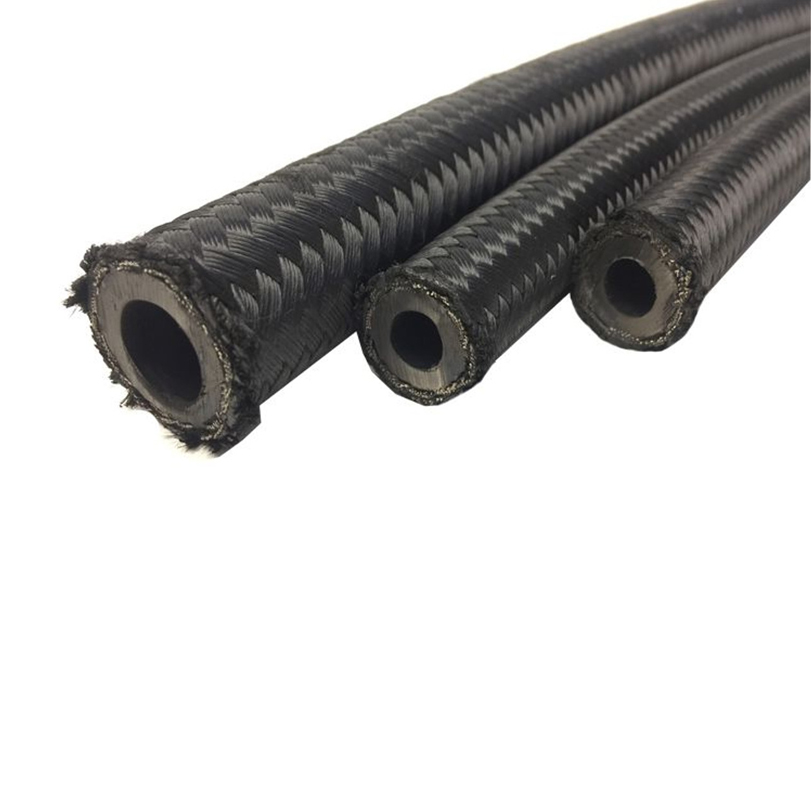
The predominant materials used in car washing hose construction are polyvinyl chloride (PVC), thermoplastic polyurethane (TPU), and reinforced rubber (typically synthetic rubber like SBR – Styrene-Butadiene Rubber, or EPDM – Ethylene Propylene Diene Monomer). PVC offers cost-effectiveness and reasonable flexibility but can become brittle in cold temperatures. TPU provides superior abrasion resistance and flexibility across a wider temperature range, but is generally more expensive. Rubber-reinforced hoses offer the highest burst pressures and kink resistance. The reinforcement layer typically consists of a high-tensile strength textile braid (polyester or nylon) or a spiraled steel wire. The manufacturing process generally involves extrusion of the inner and outer layers, followed by the application of the reinforcement layer. Critical parameters during extrusion include melt temperature, screw speed, and die pressure, which directly impact the hose’s wall thickness, density, and surface finish. Reinforcement braiding requires precise tension control to ensure uniform strength distribution. Post-extrusion processes include cooling, cutting to length, and the attachment of fittings (typically brass or plastic). Quality control measures at each stage are vital, including dimensional checks, pressure testing, and visual inspection for defects. Chemical compatibility of the hose material with common cleaning agents (alkaline detergents, waxes, solvents) is also rigorously tested. The mixing ratios of plasticizers and stabilizers in PVC compounds are crucial for determining flexibility and UV resistance.
Performance & Engineering
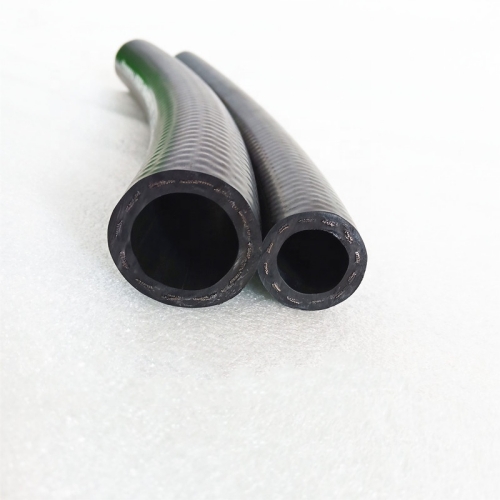
Car washing hose performance is dictated by several key engineering principles. Burst pressure is a critical safety parameter, determined by the tensile strength of the reinforcement layer and the wall thickness of the hose. Working pressure is significantly lower than burst pressure, representing the maximum continuous operating pressure. Kink resistance is essential to maintain water flow; this is improved with tighter reinforcement braiding and the use of more flexible materials like TPU. Abrasion resistance is vital for longevity, particularly in environments with rough surfaces. Environmental resistance encompasses UV stability (to prevent degradation from sunlight), ozone resistance, and temperature tolerance. Force analysis, utilizing principles of Hooke's Law and material stress-strain curves, is employed to predict hose deformation under pressure. Finite element analysis (FEA) can simulate stress distribution to optimize hose design. Compliance requirements often include adherence to NSF/ANSI 61 standards for potable water contact, as well as REACH and RoHS regulations regarding restricted substances. Furthermore, the hose must exhibit minimal leaching of harmful chemicals into the water supply. The selection of fitting materials is also crucial; brass fittings offer durability but can corrode over time, while plastic fittings are corrosion-resistant but may be less robust.
Technical Specifications
| Parameter | PVC Hose | TPU Hose | Rubber Reinforced Hose | Unit |
|---|---|---|---|---|
| Working Pressure | 150 | 200 | 300 | PSI |
| Burst Pressure | 450 | 600 | 900 | PSI |
| Tensile Strength | 18 | 35 | 50 | MPa |
| Elongation at Break | 250 | 400 | 300 | % |
| Abrasion Resistance (Taber Index) | 80 | 150 | 200 | |
| Temperature Range | -10 to 60 | -40 to 80 | -30 to 100 | °C |
Failure Mode & Maintenance
Common failure modes in car washing hoses include bursting due to exceeding pressure limits, kinking leading to restricted flow, cracking due to UV exposure and material degradation, and delamination of the reinforcement layer. Fatigue cracking can occur from repeated bending and flexing, especially at connection points. Chemical attack from harsh cleaning agents can also cause material swelling and weakening. Oxidation of rubber components leads to loss of elasticity and eventual failure. Preventative maintenance involves regular visual inspection for cracks, bulges, or signs of degradation. Avoid exceeding the maximum working pressure. Store hoses out of direct sunlight and extreme temperatures. Rinse hoses thoroughly after each use to remove residual cleaning agents. If cracks or damage are detected, replace the hose immediately. For rubber hoses, applying a silicone-based protectant can help maintain flexibility and prevent cracking. Failure analysis should include examining the fracture surface to determine the root cause (e.g., material defect, overpressure, chemical attack). Regularly check and tighten fittings to prevent leaks and stress concentration.
Industry FAQ
Q: What is the significance of the reinforcement layer material in determining hose performance?
A: The reinforcement layer is critical. Polyester braiding offers good strength and cost-effectiveness, while nylon provides higher tensile strength and abrasion resistance. Steel wire reinforcement is used for the highest pressure applications. The weave pattern and tension also significantly impact kink resistance and burst pressure. The material’s resistance to stretching and deformation under pressure directly dictates the hose’s ability to withstand stress.
Q: How do different plasticizers affect the flexibility and lifespan of PVC hoses?
A: Plasticizers are added to PVC to increase its flexibility. Phthalate plasticizers were traditionally used but are now restricted due to health concerns. Alternative plasticizers, such as DOTP (Dioctyl Terephthalate), are becoming more common. However, the type and concentration of plasticizer influence the hose’s flexibility, low-temperature performance, and resistance to leaching. Higher concentrations generally increase flexibility but can also accelerate degradation.
Q: What are the implications of REACH and RoHS compliance for car washing hose manufacturers?
A: REACH (Registration, Evaluation, Authorisation and Restriction of Chemicals) and RoHS (Restriction of Hazardous Substances) regulations restrict the use of certain hazardous substances in manufacturing. Compliance requires manufacturers to demonstrate that their hoses do not contain prohibited materials like lead, cadmium, mercury, and certain phthalates. This necessitates careful material selection and testing.
Q: How does UV exposure impact the long-term performance of car washing hoses?
A: UV radiation degrades the polymer chains in PVC and rubber, leading to brittleness, cracking, and loss of flexibility. UV stabilizers are added to the material formulation to mitigate this effect. However, the effectiveness of these stabilizers diminishes over time, so hoses exposed to prolonged sunlight will eventually require replacement. Darker hose colors generally offer better UV resistance than lighter colors.
Q: What are the recommended procedures for pressure testing car washing hoses during quality control?
A: Pressure testing should involve gradually increasing the pressure to 1.5 times the working pressure and holding it for a specified duration (typically 5-10 minutes). The hose should be visually inspected for leaks, bulges, or other signs of stress. Hydrostatic testing (using water) is preferred over pneumatic testing (using air) for safety reasons, as a burst air hose poses a greater hazard. Automated testing systems are used to ensure consistent and accurate results.
Conclusion
The production and performance of car washing hoses rely on a complex interplay of material science, engineering principles, and manufacturing controls. Chinese manufacturers have emerged as key players in this market, offering competitive pricing and increasingly sophisticated products. Understanding the inherent trade-offs between different materials—PVC, TPU, and reinforced rubber—is crucial for selecting the optimal hose for a specific application. Adherence to international standards, rigorous quality control procedures, and proactive maintenance practices are essential for ensuring longevity, safety, and reliable performance.
Future developments in car washing hose technology will likely focus on the development of more sustainable materials, improved abrasion resistance, and enhanced kink prevention mechanisms. The integration of smart sensors to monitor pressure and flow could also become increasingly prevalent, enabling predictive maintenance and optimizing water usage. As environmental regulations become stricter, manufacturers will continue to innovate towards eco-friendly solutions that minimize the environmental impact of hose production and disposal.